
pattern

Sukces i Porażka - Rozczarowujące wyniki

Tutaj nauczysz się niektórych angielskich słów związanych z rozczarowującymi wynikami, takich jak "implodować", "zawieść" i "beznadziejny".

Przegląd

Fiszki

formy

Pisownia

Test

Zacznij naukę
Words Related to Success and Failure
to [have] had {one's} day

to no longer be useful, popular, or successful

Ex: Your teacher has had his day for sure, but why don't you take a look at his resume?You're half a man he is.
to hit the buffers

(of a plan, someone’s career, etc.) to suddenly stop being successful, particularly after a good start

hopelessly
hopelessly
[przysłówek]

used to stress that a situation cannot be improved or corrected

beznadziejnie, nieodwracalnie

beznadziejnie, nieodwracalnie

Ex: She was hopelessly in love , despite all the obstacles .
hopeless
hopeless
[przymiotnik]

(of a plan, situation, etc.) prone to fail

beznadziejny, zrozpaczony

beznadziejny, zrozpaczony

Ex: The situation appeared hopeless, with no way out in sight .

Sytuacja wydawała się beznadziejna, bez widocznego wyjścia.

to implode
to implode
[Czasownik]

(of a system, organization, etc.) to experience a sudden or dramatic failure

implodować, doznać nagłego załamania
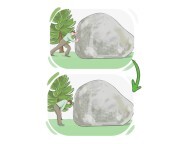
implodować, doznać nagłego załamania

Ex: The once-thriving tech company imploded under the weight of its own debts .

Kiedyś prosperująca firma technologiczna zawaliła się pod ciężarem własnych długów.

in vain
in vain
[przysłówek]

without success or achieving the desired result

na próżno, bezskutecznie

na próżno, bezskutecznie

Ex: The doctor worked tirelessly to save the patient , but unfortunately , all efforts proved to be in vain, and the patient could not be revived .

Lekarz pracował niestrudzenie, aby uratować pacjenta, ale niestety wszystkie wysiłki okazały się daremne, a pacjenta nie udało się ożywić.

inauspicious
inauspicious
[przymiotnik]

suggesting that something bad is likely to happen

niepomyślny, złowieszczy

niepomyślny, złowieszczy

Ex: The inauspicious meeting left everyone feeling uneasy about the future of the partnership .

Niefortunne spotkanie pozostawiło wszystkich z niepokojem o przyszłość partnerstwa.

to implode
to implode
[Czasownik]

to bring about the destruction of a system, organization, etc.

implodować, zawalić się
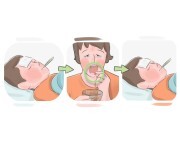
implodować, zawalić się

inauspiciously
inauspiciously
[przysłówek]

in a manner not promising success or good fortune

niepomyślnie

niepomyślnie

ineffective
ineffective
[przymiotnik]

not achieving the desired outcome or intended result

nieskuteczny, bezużyteczny

nieskuteczny, bezużyteczny

Ex: The manager 's leadership style was ineffective in motivating the team .

Styl przywództwa menedżera był nieskuteczny w motywowaniu zespołu.

ineffectively
ineffectively
[przysłówek]

in a manner that fails to produce any results

nieskutecznie

nieskutecznie

insuperable
insuperable
[przymiotnik]

(of a difficulty or problem) so severe that it cannot be solved easily

niepokonany, nie do pokonania

niepokonany, nie do pokonania

Ex: They viewed the mountain as an insuperable barrier to their journey , but they pressed on .

Uważali górę za niepokonaną przeszkodę w swojej podróży, ale parli dalej.

ill-fated
ill-fated
[przymiotnik]

bringing bad fortune or ending in failure

nieszczęsny, fatalny

nieszczęsny, fatalny

Ex: The ill-fated romance between the star-crossed lovers ended in heartbreak and despair .

Pechowy romans między nieszczęśliwymi kochankami zakończył się złamanym sercem i rozpaczą.

insurmountable
insurmountable
[przymiotnik]

too great to be overcome or dealt with successfully

nie do pokonania, nieprzezwyciężony
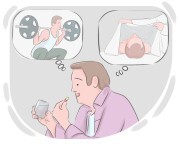
nie do pokonania, nieprzezwyciężony

Ex: He was determined to achieve his dream , even when the obstacles appeared insurmountable.

Był zdeterminowany, aby osiągnąć swoje marzenie, nawet gdy przeszkody wydawały się nie do pokonania.

kill or cure

used to describe a risky or extreme action or solution that could either lead to great success or complete failure

Ex: It is a kill-or-cure plan, but it might be exactly what we need.
knife-edge
knife-edge
[Rzeczownik]

a challenging, tense, or uncertain situation in which the slightest change may cause either success or failure

ostrze noża, krytyczna sytuacja

ostrze noża, krytyczna sytuacja

to languish
to languish
[Czasownik]

to fail to be successful or make any progress

marnieć, stagnować
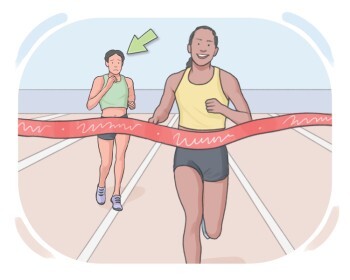
marnieć, stagnować

Ex: The legislation languished in Congress for months , unable to gain the necessary support to move forward .

Ustawa marniała w Kongresie przez miesiące, niezdolna do zdobycia niezbędnego poparcia, aby pójść naprzód.

to [lead] {sb|} nowhere

to not produce any useful or effective results

to let {sth} slip through {one's} fingers

to lose something valuable, such as an opportunity

to lose
to lose
[Czasownik]

to not win in a race, fight, game, etc.

przegrać, ponieść porażkę

przegrać, ponieść porażkę

Ex: The underdog team lost to the favorites .

Przegrana drużyna przegrała z faworytami.

to [make] or [break]

to bring about either success or failure for someone or something

Ex: This season could make or break the team.
to malfunction
to malfunction
[Czasownik]

to fail to operate properly or correctly

zawieść, ulec awarii
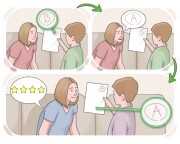
zawieść, ulec awarii

Ex: The software malfunctioned when handling large files .

Oprogramowanie uległo awarii podczas obsługi dużych plików.

to measure up
to measure up
[Czasownik]

to meet or exceed the established requirements or expectations in terms of quality, performance, or achievement

sprostać oczekiwaniom, być na wysokości zadania

sprostać oczekiwaniom, być na wysokości zadania

Ex: The performance of the new technology doesn't measure up to the hype surrounding its development.

Wydajność nowej technologii nie dorównuje rozgłosowi związanemu z jej rozwojem.

to miscarry
to miscarry
[Czasownik]

to fail to achieve a desired outcome

ponieść porażkę, nie powieść się

ponieść porażkę, nie powieść się

Ex: The experimental drug miscarried in clinical trials , failing to produce the expected results .

Eksperymentalny lek zawiódł w badaniach klinicznych, nie przynosząc oczekiwanych rezultatów.

to misfire
to misfire
[Czasownik]

(of a plan) to fail to have the intended result

nie powieść się, zakończyć się niepowodzeniem

nie powieść się, zakończyć się niepowodzeniem

Ex: The politician 's strategy to win over young voters misfired, alienating his core supporters instead .

Strategia polityka, aby zdobyć młodych wyborców, nie powiodła się, zamiast tego zraziła jego podstawowych zwolenników.

to miss
to miss
[Czasownik]

to fail to do something, or to omit or overlook something that should have been done

przegapić, ominąć
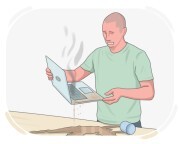
przegapić, ominąć

Ex: The article missed the most recent developments on the topic .

Artykuł pominął najnowsze osiągnięcia w tym temacie.

to muck up
to muck up
[Czasownik]

to mess up and not succeed because of a mistake that completely ruins something

zepsuć, zawalić

zepsuć, zawalić

Ex: She quickly realized she had mucked up the negotiations by unintentionally offending the clients .

Szybko zdała sobie sprawę, że zepsuła negocjacje, nieumyślnie obrażając klientów.

to [miss] the mark

to fail in achieving the desired result

Ex: Their strategy to boost sales missed the mark and led to a decline in revenue.
negligence
negligence
[Rzeczownik]

the failure to give enough attention or care to someone or something, particularly someone or something one has responsibility for

zaniedbanie, niedbalstwo

zaniedbanie, niedbalstwo

Ex: The accident at the playground was attributed to the school 's negligence in maintaining the equipment .

Wypadek na placu zabaw przypisano zaniedbaniu szkoły w utrzymaniu sprzętu.

LanGeek
Pobierz aplikację LanGeek