pattern

Kluczowe słownictwo dotyczące urazów i pierwszej pomocy - Cięcie

Przegląd

Fiszki

formy

Pisownia

Test

Zacznij naukę
Key Vocabulary for Injuries & First Aid
cut
cut
[Rzeczownik]

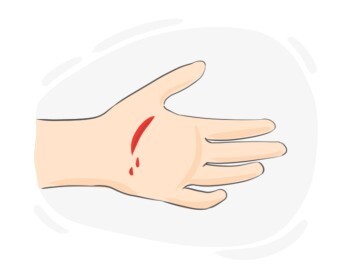
a break or opening in the skin or flesh, often caused by a sharp object or injury

cięcie, rana

cięcie, rana

Ex: He had a deep cut on his hand from the broken glass. 
opening
opening
[Rzeczownik]

an empty or unobstructed space in or between things

otwór, szczelina

otwór, szczelina

Ex: Light shone through an opening in the wall. 
skin
skin
[Rzeczownik]

the thin layer of tissue that covers the body of a person or an animal

skóra, naskórek
skóra, naskórek

Ex: He applied lotion to keep his skin moisturized during the winter. 
to happen
to happen
[Czasownik]

to come into existence by chance or as a consequence

zdarzyć się, wydarzyć się
zdarzyć się, wydarzyć się

Ex: Traffic jams happen every morning on the way to work. 
sharp
sharp
[przymiotnik]

having a point or edge that can pierce or cut something

ostry, spiczasty
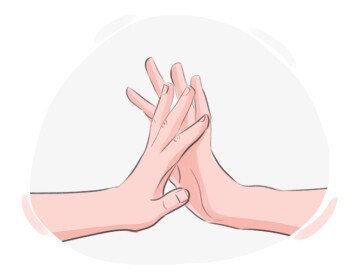
ostry, spiczasty

Ex: The hunter's arrowhead was sharp, designed for clean and efficient kills. 
to touch
to touch
[Czasownik]

to put our hand or body part on a thing or person

dotykać, dotknąć
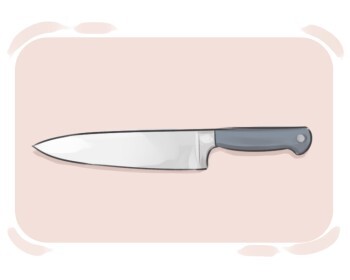
dotykać, dotknąć

Ex: Please don't touch the fragile glass display. 
knife
knife
[Rzeczownik]

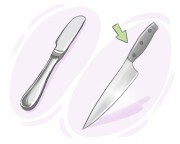
a sharp blade with a handle that is used for cutting or as a weapon

nóż, ostrze
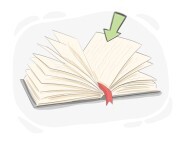
nóż, ostrze

Ex: He carefully peeled the apple with a sharp knife. 
paper
paper
[Rzeczownik]

the thin sheets on which one can write, draw, or print things, also used as wrapping material

papier, arkusz
papier, arkusz

Ex: She wrote a letter on a piece of paper and mailed it to her friend. 
rock
rock
[Rzeczownik]

a solid material forming part of the earth's surface, often made of one or more minerals

skała, kamień

skała, kamień

Ex: She collected interesting rocks during her trip to the beach. 
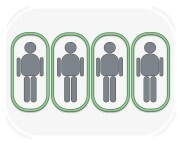
fall
fall
[Rzeczownik]

a sudden loss of balance resulting in dropping to the ground

upadek, poślizgnięcie
upadek, poślizgnięcie

Ex: She took a fall on the icy sidewalk. 
anyone
anyone
[Zaimki]

used for referring to a person when who that person is does not matter

ktoś, ktokolwiek

ktoś, ktokolwiek

Ex: Does anyone want to join me for lunch? 

Czy ktoś chce dołączyć do mnie na lunch?
to wash
to wash
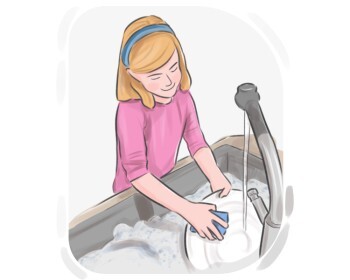
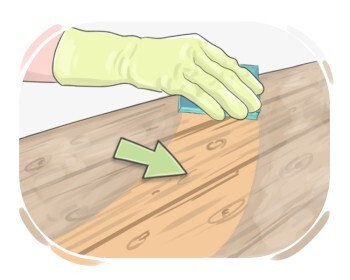
[Czasownik]

to clean someone or something with water, often with a type of soap

myć, czyścić
myć, czyścić

Ex: I always wash my hands before eating. 
clean
clean
[przymiotnik]

not having any bacteria, marks, or dirt

czysty, sterylny

czysty, sterylny

Ex: He washed his hands to keep them clean. 
to help
to help
[Czasownik]

to make something easier, particularly by improving the situation

pomagać,  ułatwiać
pomagać, ułatwiać

Ex: Seeking therapy can help improve mental health. 
to remove
to remove
[Czasownik]

to take something away from a position

usunąć, wyjąć

usunąć, wyjąć

Ex: The surgeon will carefully remove the tumor during the operation. 
dirt
dirt
[Rzeczownik]

unwanted or messy substances, such as dust, mud, or grime

brud, ziemia

brud, ziemia

Ex: The table was stained with dirt and needed to be cleaned. 

Stół był poplamiony brudem i trzeba go było wyczyścić.

germ
germ
[Rzeczownik]

a microscopic organism, especially one that causes disease
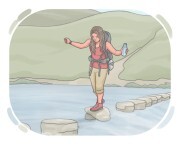
Ex: My grandma always said fresh air and sunshine kill germs, and she wasn't wrong. 
carefully
carefully
[przysłówek]

cautiously and attentively, so as to avoid harm, danger, or mistakes

ostrożnie, starannie

ostrożnie, starannie

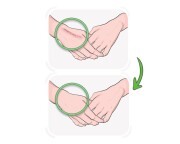
Ex: He carefully phrased his criticism to avoid offense. 

Starannie sformułował swoją krytykę, aby uniknąć obrazy.
to heal
to heal
[Czasownik]

to become healthy again

goić się, uzdrawiać

goić się, uzdrawiać

Ex: Many individuals are actively healing with the help of therapy. 

Wiele osób aktywnie leczy się przy pomocy terapii.
dirty
dirty
[przymiotnik]

covered or marked with dirt, stains, or other unwanted substances

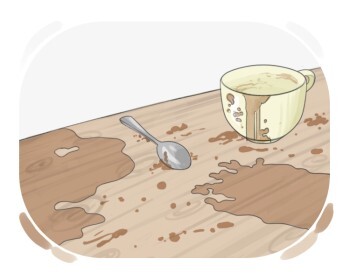
Ex: Don't put the clean towels on that dirty surface. 
bandage
bandage
[Rzeczownik]

a piece of cloth that is put around a wound to prevent infections

bandaż, opatrunek

bandaż, opatrunek

Ex: He always kept a first aid kit with extra bandages in his car for any minor injuries while hiking. 

Zawsze miał w samochodzie apteczkę pierwszej pomocy z dodatkowymi bandażami na wszelkie drobne urazy podczas wędrówek.

plaster
plaster
[Rzeczownik]

a small medical dressing that one can stick over a wound or cut in order to keep it clean and protect it

plaster, opatrunek
plaster, opatrunek

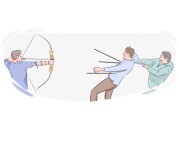
Ex: The plaster kept the wound clean and prevented infection. 
to protect
to protect
[Czasownik]

to prevent someone or something from being damaged or harmed

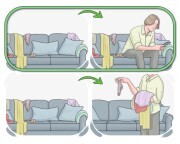
chronić, zabezpieczać
chronić, zabezpieczać

Ex: A majority of Democrats believe that such regulations protect the public. 
to keep
to keep
[Czasownik]

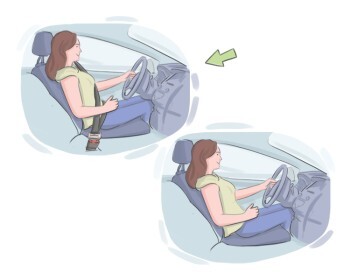
to make someone or something stay or remain in a specific state, position, or condition

utrzymywać, zachowywać
utrzymywać, zachowywać

Ex: She keeps her room tidy. 
safe
safe
[przymiotnik]

protected from any danger

bezpieczny, chroniony

bezpieczny, chroniony

Ex: The children are quite safe here, playing under the watchful eye of their parents. 
wet
wet
[przymiotnik]

still moist and not dry

wilgotny, mokry

wilgotny, mokry

Ex: The artist avoided touching the canvas because the paint was still wet. 
a few
a few
[określnik]

used to indicate a small number of items, people, or things

kilka, niewiele

kilka, niewiele

Ex: He has a few friends coming over to watch the game tonight. 

Ma kilku przyjaciół, którzy przychodzą dziś wieczorem obejrzeć mecz.

to close
to close
[Czasownik]

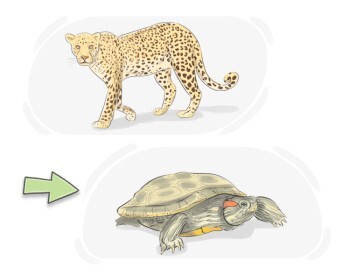
to come together or move toward each other in order to grip, clamp, or secure an object

zamknąć, zacisnąć
zamknąć, zacisnąć

Ex: With a firm twist, he tightened the vise, causing the jaws to close firmly on the pipe. 
slowly
slowly
[przysłówek]

at a pace that is not fast

powoli, wolno

powoli, wolno

Ex: She slowly turned the pages of the old book, careful not to tear them. 

Powoli przewracała strony starej książki, uważając, aby ich nie podrzeć.
pain
pain
[Rzeczownik]

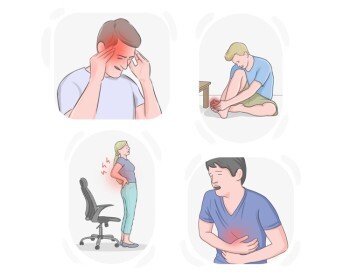
the unpleasant feeling caused by an illness or injury

ból
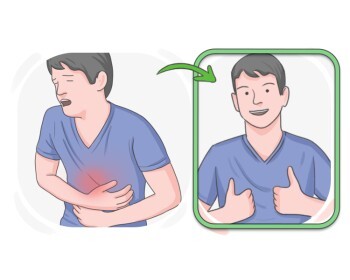
ból

Ex: I have a sharp pain in my side when I breathe. 
better
better
[przymiotnik]

recovered from a physical or mental health problem completely or compared to the past

lepszy, wyzdrowiały

lepszy, wyzdrowiały

Ex: The doctor said she is better and can go home tomorrow. 

Lekarz powiedział, że jest lepiej i może jutro wrócić do domu.

deep
deep
[przymiotnik]

(of cuts, wounds, etc.) extending far beneath the surface of the skin, often reaching multiple layers of tissue

głęboki, dogłębny
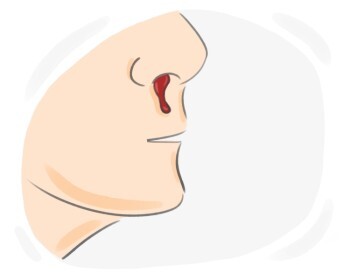
głęboki, dogłębny

Ex: The deep laceration required immediate medical attention. 
to bleed
to bleed
[Czasownik]

to lose blood from an injury or wound

krwawić, tracie krew

krwawić, tracie krew

Ex: In case of a minor injury, a small scratch may bleed briefly before clotting. 

W przypadku niewielkiego urazu małe zadrapanie może krótko krwawić, zanim się zaskrzepnie.
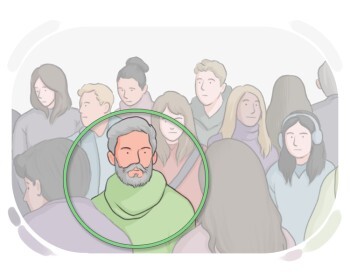
person
person
[Rzeczownik]

one human

osoba, indywiduum

osoba, indywiduum

Ex: As a responsible person, it is important to be mindful of our impact on the environment. 
to see
to see
[Czasownik]

to have a meeting with a specialist for advice, examination, etc.

widzieć, konsultować

widzieć, konsultować

Ex: I have an appointment to see the dentist next week. 
right
right
[przymiotnik]

proper for a particular purpose or situation

odpowiedni, właściwy

odpowiedni, właściwy

Ex: She wore the right clothes for the interview. 
way
way
[Rzeczownik]

a procedure or approach used to achieve something

metoda, sposób
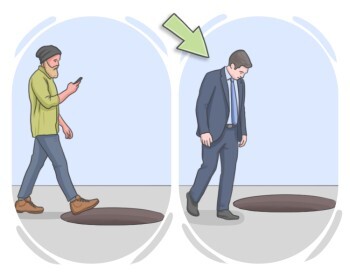
metoda, sposób

Ex: There are several ways to solve this equation. 
careful
careful
[przymiotnik]

giving attention or thought to what we are doing to avoid doing something wrong, hurting ourselves, or damaging something

ostrożny, uważny

ostrożny, uważny

Ex: You need to be careful when handling fragile items. 

Musisz być ostrożny podczas obchodzenia się z delikatnymi przedmiotami.
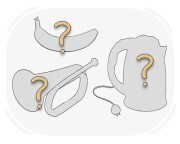
object
object
[Rzeczownik]

a non-living thing that one can touch or see

obiekt, przedmiot
obiekt, przedmiot

Ex: The sculpture in the museum is an ancient object made of marble. 
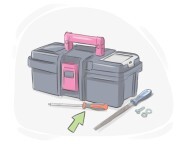
tool
tool
[Rzeczownik]

something such as a hammer, saw, etc. that is held in the hand and used for a specific job

narzędzie

narzędzie

Ex: The carpenter used a hammer as his primary tool for driving nails. 
safely
safely
[przysłówek]

in a way that avoids harm or danger

bezpiecznie, bez szkody

bezpiecznie, bez szkody

Ex: The child crossed the street safely, holding an adult's hand. 

Dziecko bezpiecznie przeszło przez ulicę, trzymając dorosłego za rękę.

to [pay] attention

to concentrate or focus on a particular task or subject
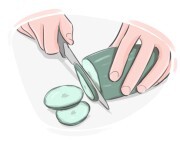
Ex: Paying attention in class is vital for retaining information and doing well on exams. 
to cut
to cut
[Czasownik]

to divide a thing into smaller pieces using a sharp object

ciąć, dzielić

ciąć, dzielić

Ex: I cut the paper with scissors to make a snowflake. 
item
item
[Rzeczownik]

a distinct thing, often an individual object or entry in a list or collection

przedmiot, element
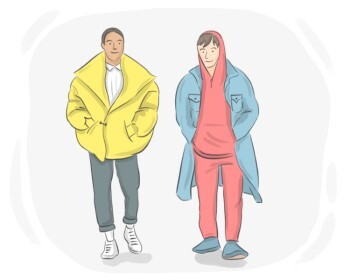
przedmiot, element

Ex: Please check each item off the list as you find it. 
common
common
[przymiotnik]

frequently found, happening, or seen

powszechny, częsty

powszechny, częsty

Ex: The common practice in the office is to send weekly reports. 

Powszechną praktyką w biurze jest wysyłanie cotygodniowych raportów.

everyday life
everyday life
[Rzeczownik]

the normal and routine activities and experiences that happen each day to people

codzienne życie, życie dnia codziennego

codzienne życie, życie dnia codziennego

Ex: Cooking dinner and commuting to work are parts of everyday life for many people. 

Gotowanie obiadu i dojazdy do pracy są częścią codziennego życia dla wielu osób.
simple
simple
[przymiotnik]

not involving difficulty in doing or understanding

prosty, łatwy
prosty, łatwy

Ex: The recipe was simple, requiring only a few ingredients and basic cooking techniques. 
care
care
[Rzeczownik]

the act of providing treatment and paying attention to the physical and emotional needs of someone or something

opieka,  uwaga

opieka, uwaga

Ex: The hospital provides compassionate care to all patients, ensuring their physical and emotional needs are met. 
to [take] care of {sb/sth}

to look after or manage someone or something, ensuring their needs are met

Ex: My neighbor has agreed to take care of my dog while I'm on vacation. 
to prevent
to prevent
[Czasownik]

to stop something from happening

zapobiegać, powstrzymywać

zapobiegać, powstrzymywać

Ex: Regular exercise can help prevent certain health issues. 
Kluczowe słownictwo dotyczące urazów i pierwszej pomocy
SiniakPalićKrwawienie z nosaCięcie
TermometrOkład z lodu
LanGeek
Pobierz aplikację LanGeek