
Vocabulario clave para lesiones y primeros auxilios - Corte
Revisión
Tarjetas de memoria
formas
Ortografía
Cuestionario

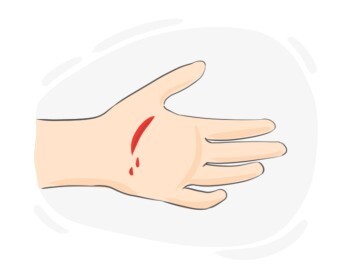
a break or opening in the skin or flesh, often caused by a sharp object or injury

corte, herida

an empty or unobstructed space in or between things
abertura, brecha

the thin layer of tissue that covers the body of a person or an animal
cutis, piel
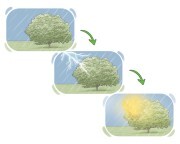
to come into existence by chance or as a consequence
ocurrir
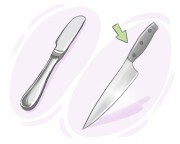
having a point or edge that can pierce or cut something
afilado, filoso
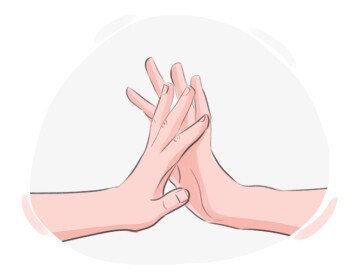
to put our hand or body part on a thing or person
tocar, rozar
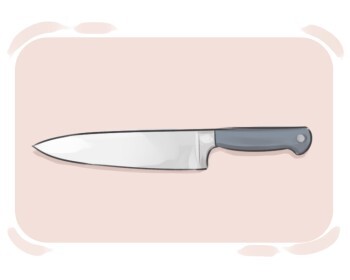
a sharp blade with a handle that is used for cutting or as a weapon
cuchillo
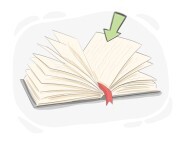
the thin sheets on which one can write, draw, or print things, also used as wrapping material
papel
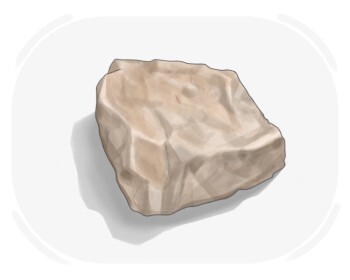
a solid material forming part of the earth's surface, often made of one or more minerals
roca, piedra
a sudden loss of balance resulting in dropping to the ground
caída, tropiezo
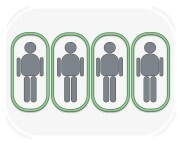
used for referring to a person when who that person is does not matter
cualquiera
Si alguien tiene objeciones, que hable ahora.
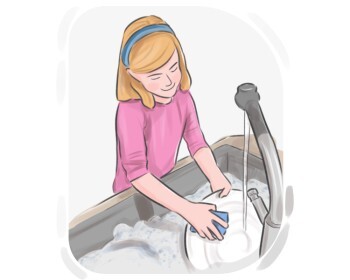
to clean someone or something with water, often with a type of soap
lavar
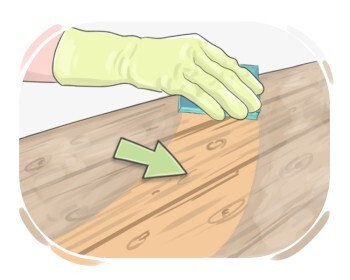
not having any bacteria, marks, or dirt
limpio, aseado
to make something easier, particularly by improving the situation
ayudar, facilitar
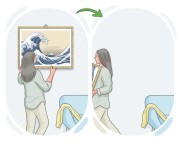
to take something away from a position
quitar
unwanted or messy substances, such as dust, mud, or grime
suciedad, tierra
Había suciedad en las ventanas por los trabajos de construcción.

a microscopic organism, especially one that causes disease
germen
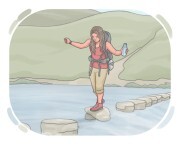
cautiously and attentively, so as to avoid harm, danger, or mistakes
cuidadosamente, con precaución
El perro se acercó cuidadosamente al extraño.
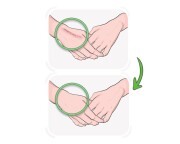
to become healthy again
sanarse, curarse
La lesión se está curando con el tratamiento prescrito.
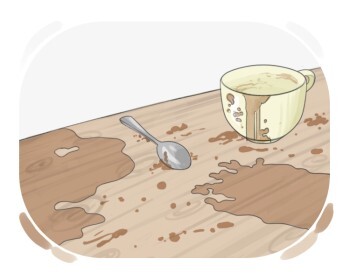
covered or marked with dirt, stains, or other unwanted substances
sucio

a piece of cloth that is put around a wound to prevent infections
vendaje, venda
En caso de una emergencia, es importante saber cómo usar correctamente un vendaje para cubrir una herida.

a small medical dressing that one can stick over a wound or cut in order to keep it clean and protect it
curita, tirita
Mantén una caja de curitas en tu botiquín de primeros auxilios para emergencias.
to prevent someone or something from being damaged or harmed
proteger
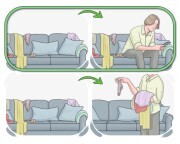
to make someone or something stay or remain in a specific state, position, or condition
mantener, guardar
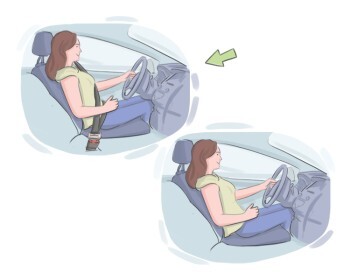
protected from any danger
sin peligro, seguro
still moist and not dry
húmedo, mojado
used to indicate a small number of items, people, or things
algunos, unos pocos
Tiene algunos amigos que vienen a ver el juego esta noche.
to come together or move toward each other in order to grip, clamp, or secure an object
cerrar, apretar
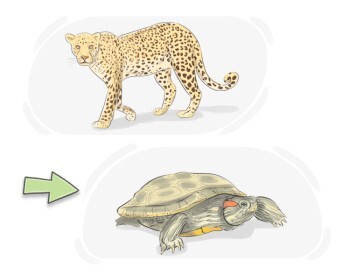
at a pace that is not fast
lentamente
Ella habló despacio para que todos pudieran entender.
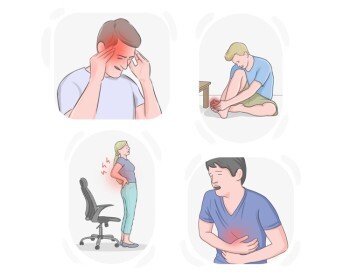
the unpleasant feeling caused by an illness or injury
dolor
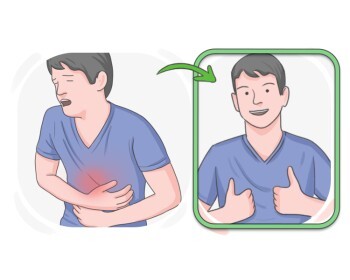
recovered from a physical or mental health problem completely or compared to the past
mejor
¡Espero que te mejores pronto!
(of cuts, wounds, etc.) extending far beneath the surface of the skin, often reaching multiple layers of tissue
profundo, hondo
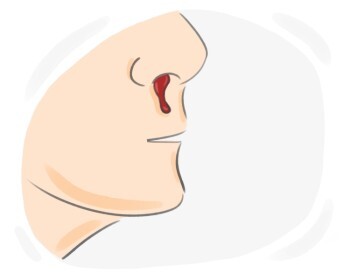
to lose blood from an injury or wound
sangrar
Es esencial aplicar presión a una herida para evitar que sangre excesivamente.
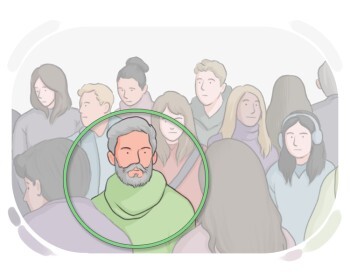
one human
persona
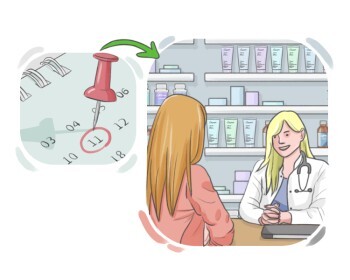
to have a meeting with a specialist for advice, examination, etc.
ver
proper for a particular purpose or situation
adecuado, apropiado
a procedure or approach used to achieve something
manera
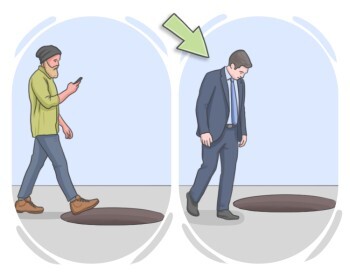
giving attention or thought to what we are doing to avoid doing something wrong, hurting ourselves, or damaging something
cuidadoso
Ella tuvo cuidado de no despertar al bebé dormido.
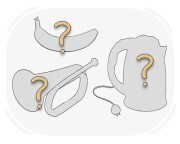
a non-living thing that one can touch or see
objeto
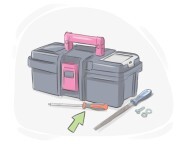
something such as a hammer, saw, etc. that is held in the hand and used for a specific job
herramienta
in a way that avoids harm or danger
sin peligro
El piloto aterrizó el avión de manera segura, asegurando una llegada suave y segura.
to concentrate or focus on a particular task or subject
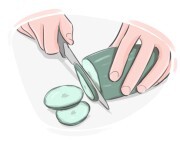
to divide a thing into smaller pieces using a sharp object
cortar
a distinct thing, often an individual object or entry in a list or collection
artículo
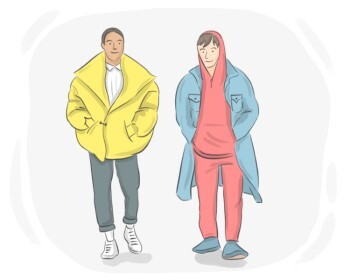
frequently found, happening, or seen
común
El café es una bebida común en muchas culturas.
the normal and routine activities and experiences that happen each day to people
vida cotidiana, día a día
Equilibrar el trabajo, la familia y el tiempo personal es un desafío en la vida cotidiana.
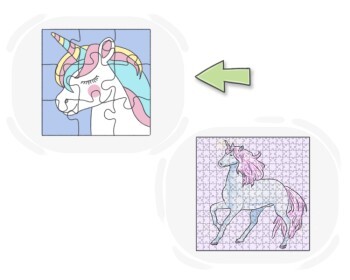
not involving difficulty in doing or understanding
fácil
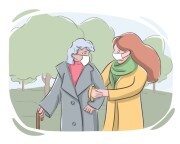
the act of providing treatment and paying attention to the physical and emotional needs of someone or something
asistencia, atención
to look after or manage someone or something, ensuring their needs are met
cuidar de, cuidar a
to stop something from happening
impedir, prevenir
| Vocabulario clave para lesiones y primeros auxilios | |||
|---|---|---|---|
| Moretón | Quemar | Sangrado nasal | Corte |
| Termómetro | Bolsa de hielo | ||
