pattern

Książka Four Corners 1 - Jednostka 12 Lekcja C

Tutaj znajdziesz słownictwo z Unit 12 Lesson C w podręczniku Four Corners 1, takie jak "prezent", "wybierać", "dekorować" itp.

Przegląd

Fiszki

formy

Pisownia

Test

Zacznij naukę
Four Corners 1
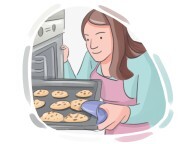
to bake
to bake
[Czasownik]

to cook food, usually in an oven, without any extra fat or liquid

piec, upiec

piec, upiec

Ex: The recipe calls for baking the potatoes until they are tender. 

Przepis wymaga pieczenia ziemniaków, aż będą miękkie.

cake
cake
[Rzeczownik]

a sweet food we make by mixing flour, butter or oil, sugar, eggs and other ingredients, then baking it in an oven

ciasto

ciasto

Ex: She enjoyed a slice of strawberry cake with whipped cream frosting. 

Cieszyła się kawałkiem ciasta truskawkowego z bitą śmietaną.

to buy
to buy
[Czasownik]

to get something in exchange for paying money

kupować

kupować

Ex: I always buy fresh products from the local farmers' market. 

Zawsze kupuję świeże produkty na lokalnym targu rolnym.

gift
gift
[Rzeczownik]

something that we give to someone because we like them, especially on a special occasion, or to say thank you

prezent, dar

prezent, dar

Ex: The bookstore has many items suitable for a gift. 

W księgarni jest wiele przedmiotów nadających się na prezent.

to choose
to choose
[Czasownik]

to decide what we want to have or what is best for us from a group of options

wybierać, selekcjonować

wybierać, selekcjonować

Ex: We have to choose a destination for our summer vacation. 

Musimy wybrać cel na nasze wakacje letnie.

music
music
[Rzeczownik]

a series of sounds made by instruments or voices, arranged in a way that is pleasant to listen to

muzyka

muzyka

Ex: The soothing music helped everyone relax after a long day. 

Uspokajająca muzyka pomogła wszystkim się zrelaksować po długim dniu.

to decorate
to decorate
[Czasownik]

to add beautiful things to something in order to make it look more attractive

dekorować, ozdabiać

dekorować, ozdabiać

Ex: The interior designer suggested using accent rugs to decorate the hardwood floors. 

Projektant wnętrz zasugerował użycie dywanów akcentujących, aby udekorować drewniane podłogi.

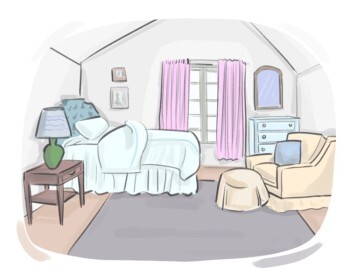
room
room
[Rzeczownik]

a space in a building with walls, a floor, and a ceiling where people do different activities

pokój, pomieszczenie

pokój, pomieszczenie

Ex: I have a big room with a window. 

Mam duży pokój z oknem.

to make
to make
[Czasownik]

to compose, formulate, or prepare something abstract or written

tworzyć, przygotowywać
tworzyć, przygotowywać

Ex: The artist is inspired to make a series of paintings exploring themes of love and loss. 

Artysta jest zainspirowany, aby stworzyć serię obrazów badających tematy miłości i straty.

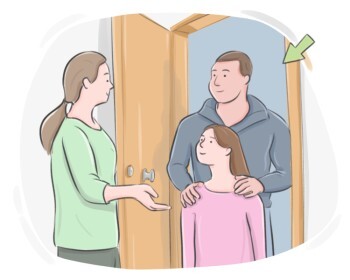
guest
guest
[Rzeczownik]

someone who is invited to visit someone else's home or attend a social event

gość, zaproszony

gość, zaproszony

Ex: She treated every guest at the party with warmth and kindness. 

Traktowała każdego gościa na przyjęciu z ciepłem i życzliwością.

list
list
[Rzeczownik]

a series of written or printed names or items, typically one below the other

lista

lista

Ex: The magazine published a list of the top 10 restaurants in the city. 

Magazyn opublikował listę 10 najlepszych restauracji w mieście.

to plan
to plan
[Czasownik]

to decide on and make arrangements or preparations for something ahead of time

planować, przygotowywać
planować, przygotowywać

Ex: We made sure to plan our meals for the week, saving both time and money. 

Upewniliśmy się, że zaplanowaliśmy nasze posiłki na tydzień, oszczędzając zarówno czas, jak i pieniądze.

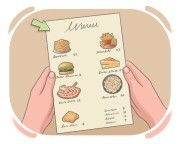
menu
menu
[Rzeczownik]

a list of the different food available for a meal in a restaurant

menu, karta

menu, karta

Ex: The menu offers a variety of international dishes. 

Menu oferuje różnorodność międzynarodowych dań.

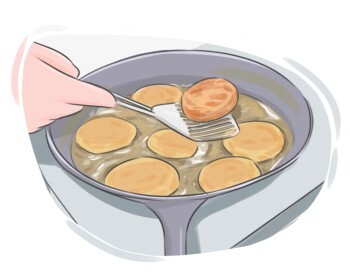
to prepare
to prepare
[Czasownik]

to cook food for eating

przygotowywać, gotować
przygotowywać, gotować

Ex: Right now, the cook is preparing a savory soup in the kitchen. 

Właśnie teraz kucharz przygotowuje pyszną zupę w kuchni.

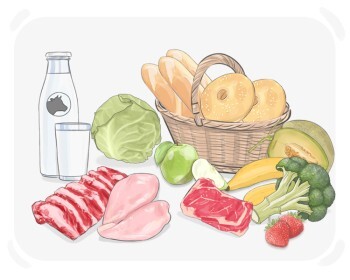
food
food
[Rzeczownik]

things that people and animals eat, such as meat or vegetables

jedzenie, żywność

jedzenie, żywność

Ex: The children were hungry and eagerly devoured their food. 

Dzieci były głodne i chętnie zjadły swoje jedzenie.

to send
to send
[Czasownik]

to have a person, letter, or package physically delivered from one location to another, specifically by mail

wysłać

wysłać

Ex: Please send the invoice to our accounting department for processing. 

Proszę wysłać fakturę do naszego działu księgowości w celu przetworzenia.

invitation
invitation
[Rzeczownik]

a written or spoken request to someone, asking them to attend a party or event

zaproszenie

zaproszenie

Ex: They extended a warm invitation to their neighbors to join them for a backyard barbecue. 

Wysłali ciepłe zaproszenie do swoich sąsiadów, aby dołączyli do nich na grillowanie w ogrodzie.

checklist
checklist
[Rzeczownik]

a list of things to be done or checked

lista kontrolna, checklista

lista kontrolna, checklista

idea
idea
[Rzeczownik]

a suggestion or thought about something that we could do

pomysł, propozycja

pomysł, propozycja

Ex: I appreciate your input; your idea about streamlining the process is worth considering. 

Doceniam twój wkład; twój pomysł na usprawnienie procesu jest wart rozważenia.

me
me
[Zaimki]

(objective first-person singular pronoun) used by the speaker to refer to themselves when they are the object of a sentence

mnie

mnie

Ex: The teacher called on me to answer the question. 

Nauczyciel wezwał mnie, aby odpowiedzieć na pytanie.

you
you
[Zaimki]

(second-person pronoun) used for referring to the one or the people we are writing or talking to

ty, wy

ty, wy

Ex: What time are you leaving for work? 

O której godzinie ty wychodzisz do pracy?

him
him
[Zaimki]

(objective third-person singular pronoun) used when referring to a male human or animal as the object of a sentence

jego, jemu

jego, jemu

Ex: The teacher praised him for his hard work. 

Nauczyciel pochwalił go za ciężką pracę.

her
her
[Zaimki]

(objective third-person singular pronoun) used when referring to a female human or animal that is the object of a sentence

ją, jej

ją, jej

Ex: The team congratulated her on her achievement. 

Zespół pogratulował jej osiągnięcia.

it
it
[Zaimki]

(objective third-person singular pronoun) used when referring to something or an animal of unknown sex as the object of a sentence

to, to

to, to

Ex: I saw a bird outside, and I watched it fly away into the distance. 

Widziałem ptaka na zewnątrz i obserwowałem, jak on odlatuje w dal.

us
us
[Zaimki]

(objective first-person plural pronoun) used by the speaker to refer to themselves and at least one other person when they are the object of a sentence

nas

nas

Ex: Could you save some cake for us? 

Czy mógłbyś zachować trochę ciasta dla nas?

them
them
[Zaimki]

(objective third-person plural pronoun) used when referring to the aforementioned things or people that are the object of a sentence

ich, im

ich, im

Ex: The coach instructed them to pass the ball to them. 

Trener kazał im podać piłkę do nich.

LanGeek
Pobierz aplikację LanGeek