
Cartea Four Corners 1 - Unitatea 12 Lecția C
Aici veți găsi vocabularul din Unitatea 12 Lecția C din manualul Four Corners 1, cum ar fi "cadou", "alege", "decora" etc.
Revizuire
Fișe de studiu
forme
Ortografie
Chestionar


to cook food, usually in an oven, without any extra fat or liquid

coace, găti la cuptor
Coaceți prăjiturile la 350°F timp de 10-12 minute până devin aurii.

a sweet food we make by mixing flour, butter or oil, sugar, eggs and other ingredients, then baking it in an oven
tort

to get something in exchange for paying money
cumpăra

something that we give to someone because we like them, especially on a special occasion, or to say thank you
cadou, dar

to decide what we want to have or what is best for us from a group of options
alege, selecta

a series of sounds made by instruments or voices, arranged in a way that is pleasant to listen to
muzică

to make something more attractive by adding ornaments, colors, or other decorative features
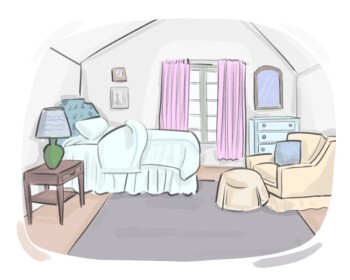
a space in a building with walls, a floor, and a ceiling where people do different activities
cameră, încăpere

to compose, formulate, or prepare something abstract or written
compune, pregăti
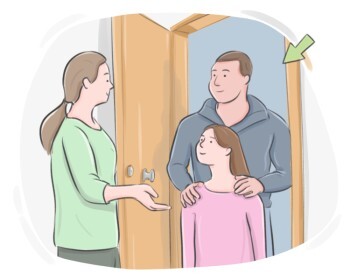
someone who is invited to visit someone else's home or attend a social event
oaspete, invitat

a series of written or printed names or items, typically one below the other
listă

to decide on and make arrangements or preparations for something ahead of time
planifica, pregăti
a list of food and drinks available at a restaurant or meal
meniu, listă de mâncăruri
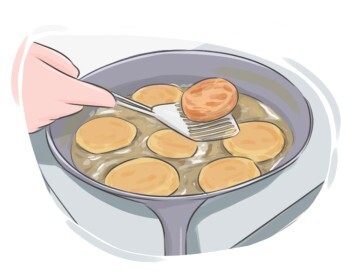
to cook food for eating
pregăti, găti
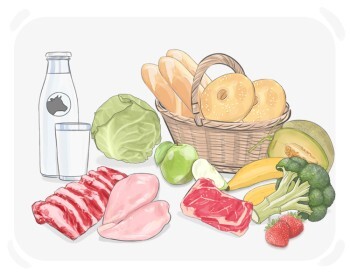
things that people and animals eat, such as meat or vegetables
mâncare, alimente

to have a person, letter, or package physically delivered from one location to another, specifically by mail
trimite

a spoken or written request asking someone to attend an event, go somewhere, or take part in something
invitație, invitație formală


a suggestion or thought about something that we could do
idee, sugestie

(objective first-person singular pronoun) used by the speaker to refer to themselves when they are the object of a sentence
pe mine
Mi-a dat cartea.

(second-person pronoun) used for referring to the one or the people we are writing or talking to
tu, voi

(objective third-person singular pronoun) used when referring to a male human or animal as the object of a sentence
el, lui
Ea i-a dat cartea lui.

(objective third-person singular pronoun) used when referring to a female human or animal that is the object of a sentence
o, ei
I-a oferit ei o bucată de tort.

(objective third-person singular pronoun) used when referring to something or an animal of unknown sex as the object of a sentence
el, ea

| Cartea Four Corners 1 | |||
|---|---|---|---|
| Unitatea 11 Lecția B | Unitatea 11 Lecția C | Unitatea 11 Lecția D | Unitatea 12 Lecția A |
| Unitatea 12 Lecția B | Unitatea 12 Lecția C | Unitatea 12 Lecția D | |
