
Czasowniki Wywołujące Emocje - Czasowniki wywołujące zamieszanie
Tutaj nauczysz się niektórych angielskich czasowników odnoszących się do wzbudzania zamieszania, takich jak "baffle", "puzzle" i "stump".
Przegląd
Fiszki
formy
Pisownia
Test

to make someone unable to think clearly or understand something

dezorientować, zmieszać
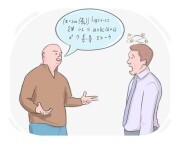
to confuse someone, often by presenting something mysterious or difficult to understand
wprawiać w zakłopotanie, dezorientować

to confuse someone by making something difficult to understand or explain
wprawiać w zakłopotanie, dezorientować
Nagłe zniknięcie dowodów zaskoczyło śledczych.
to puzzle or challenge someone, typically by presenting a question or problem that is difficult to answer or solve
wprawiać w zakłopotanie, zaskakiwać
Tajemnicze zniknięcie artefaktu wprawiło w zakłopotanie archeologów.
to confuse someone, making it difficult for them to understand or think clearly
wprawiać w zakłopotanie, mieszać
Skomplikowana łamigłówka wprawiła w zakłopotanie nawet najbardziej doświadczonych łamigłówkowiczów.
to confuse someone, leaving them uncertain
wprawiać w zakłopotanie, dezorientować
Złożona teoria naukowa zdezorientowała studentów, utrudniając im jej zrozumienie.

to puzzle someone by being mysterious or difficult to understand
wprawiać w zakłopotanie, zagadkowy
Niespodziewane wyniki eksperymentu zaintrygowały badaczy.
to confuse someone, often by being difficult to understand
wprawiać w zakłopotanie, dezorientować
Wykłady ekscentrycznego profesora wprawiały w zakłopotanie studentów, gdy próbowali zrozumieć jego niekonwencjonalny styl nauczania.
to completely confuse someone
wprawić w zakłopotanie, zdezorientować
Skomplikowany problem matematyczny zdezorientował uczniów, pozostawiając ich drapiących się po głowach.
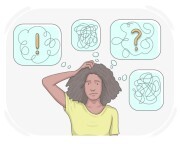
to confuse someone to the point of being unable to proceed or respond
wprawić w zakłopotanie, zdezorientować
Złożone pytanie filozoficzne zaskoczyło studentów, pozostawiając ich niepewnych, jak odpowiedzieć.

to confuse someone, causing them to feel disoriented or unable to think clearly
dezorientować, wprawiać w zakłopotanie
Sprzeczne informacje w raporcie zdezorientowały czytelników, pozostawiając ich w niepewności, w co wierzyć.
to overwhelm or astonish someone, especially with something difficult to comprehend or believe
zdumiewać, wprawiać w zakłopotanie
Szybkość, z jaką wykonał zadanie, zdumiała ich.
to make something unclear or confusing
zamącić, zmylić
Gęsty żargon prawny zamglił czytelnika, utrudniając zrozumienie umowy.
