
Cartea Solutions - Elementar - Unitatea 6 - 6A
Aici veți găsi vocabularul din Unitatea 6 - 6A în manualul Solutions Elementary, cum ar fi "sălbatic", "reptilă", "înfricoșător" etc.
Revizuire
Fișe de studiu
Ortografie
Chestionar
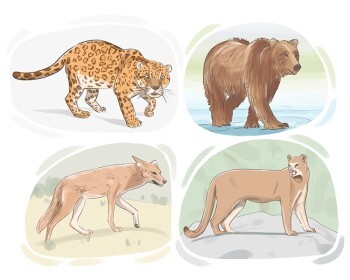
(of an animal or plant) living or growing in a natural state, without any human interference

sălbatic, natural
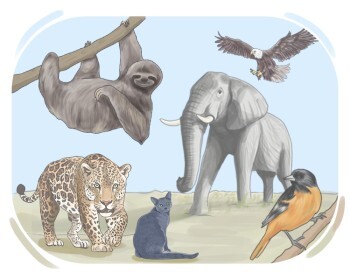
a living thing, like a cat or a dog, that can move and needs food to stay alive, but not a plant or a human
animal, bestie
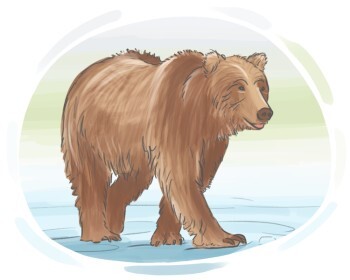
a large animal with sharp claws and thick fur, which eats meat, honey, insects, and fruits
urs, ursuleț
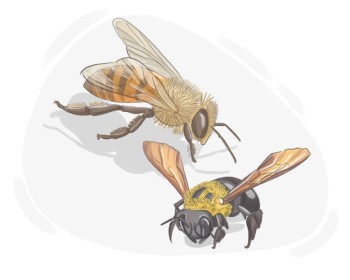
a flying insect that feeds on nectar and pollen, often with a hairy body and sometimes capable of stinging
albină
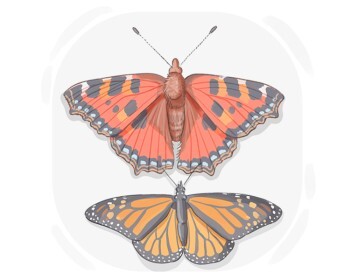
a flying insect with a long, thin body and large, typically brightly colored wings
fluture
Fluturii sunt atrași de florile care produc nectar pentru hrană.
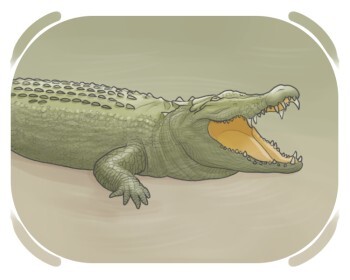
a large reptile with very big jaws, sharp teeth, short legs, and a hard skin and long tail that lives in rivers and lakes in warmer regions
crocodil
Nu știam că crocodilii sunt înotători excelent.
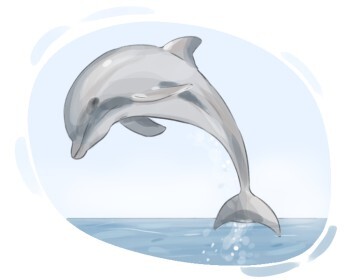
an intelligent marine mammal with a streamlined body, a beaklike snout, and teeth
delfin, delfin comun
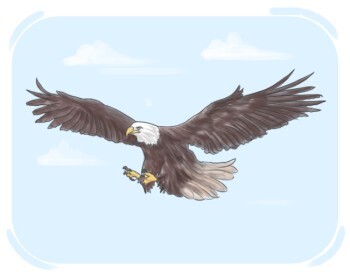
a large bird of prey with broad wings, a hooked beak, and very keen eyesight
vultur
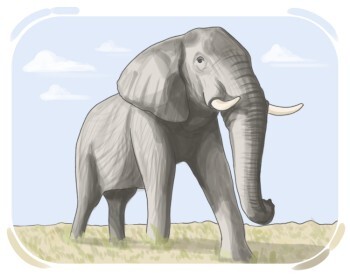
an animal that is very large, has thick gray skin, four legs, a very long nose that is called a trunk, and mostly lives in Asia and Africa
elefant, pahiderm
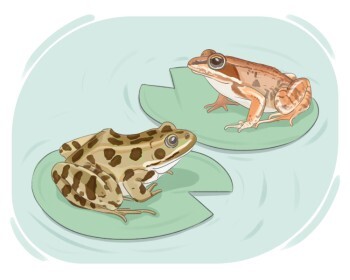
a small green animal with smooth skin, long legs for jumping and no tail, that lives both in water and on land
broască, brotac
Broasca a sărit de pe o frunză de nufăr pe alta.
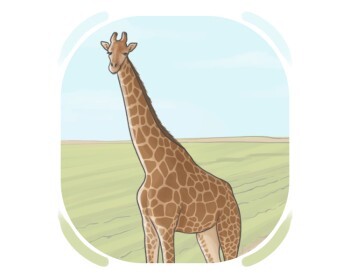
a tall animal with a very long neck and long legs that has brown spots on its yellow fur
girafă, girafă (substantiv)
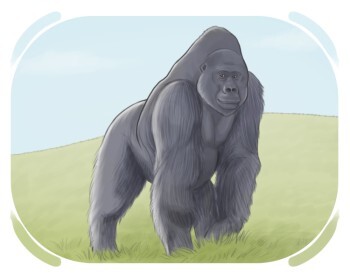
an African ape which has a large head and short neck that looks like a monkey with no tail
gorilă
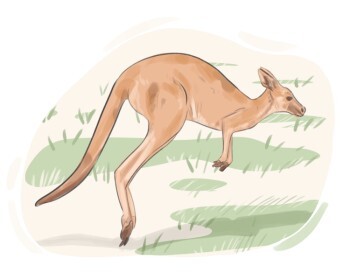
a large Australian animal with a long tail and two strong legs that moves by leaping, female of which can carry its babies in its stomach pocket which is called a pouch
cangur, wallaby
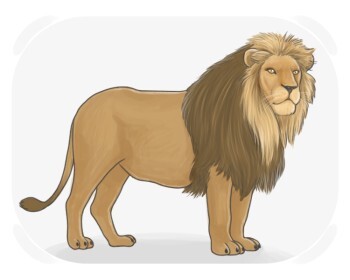
a powerful and large animal that is from the cat family and mostly found in Africa, with the male having a large mane
leu, felina mare
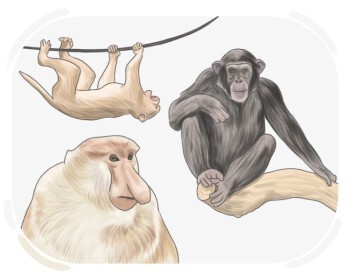
a playful and intelligent animal that has a long tail and usually lives in trees and warm countries
maimuță, macac
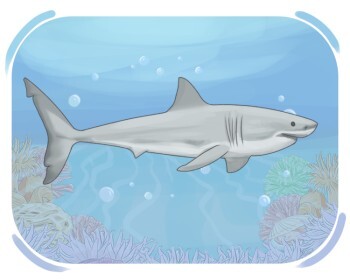
a large sea fish with a pointed fin on its back and very sharp teeth
rechin
În timpul turului cu barca, au văzut un grup de rechini hrănindu-se cu pești.
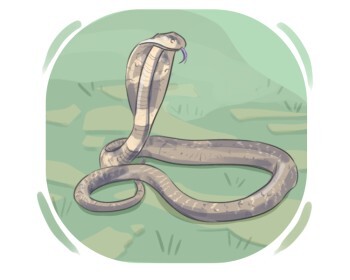
a long, legless reptile with a narrow body covered in scales
a long, legless reptile with a narrow body covered in scales
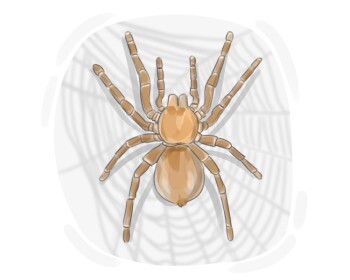
a small creature that spins webs to catch insects for food, with eight legs and two fangs by which poison is injected to its prey
păianjen, arahnid
Am învățat că păianjenii ajută la controlul populațiilor de insecte din grădină.
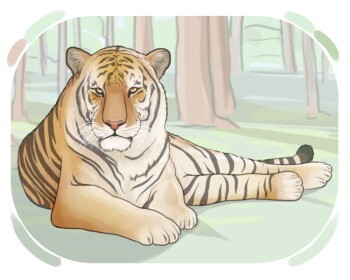
a type of large and wild animal that is from the cat family, has orange fur and black stripes, and is mostly found in Asia
tigru, pisica dungată
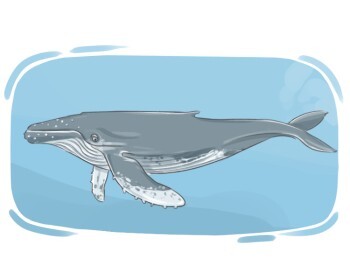
a large marine mammal with a streamlined body, horizontal tail flukes, and one or more blowholes for breathing
balenă, cetaceu
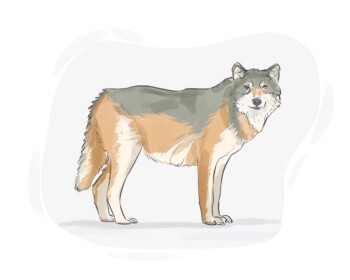
a large wild animal of the dog family that typically lives and hunts in packs
lup, lup mic
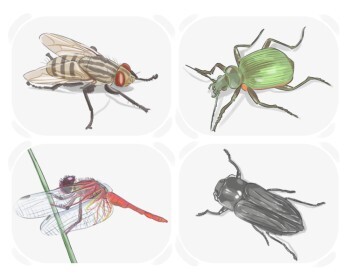
a small arthropod with six legs and a body divided into three parts, often also having wings
a small arthropod with six legs and a body divided into three parts, often also having wings
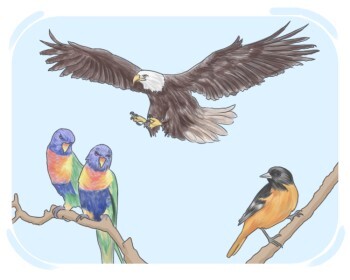
an animal with a beak, wings, and feathers that is usually capable of flying
pasăre, pasăre
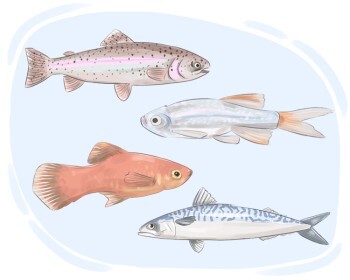
an animal with a tail, gills and fins that lives in water
pește, pește
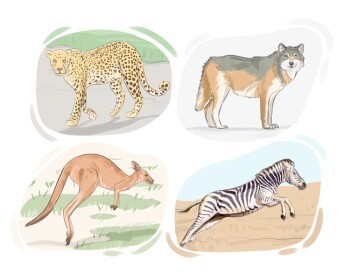
a warm-blooded vertebrate animal whose females produce milk to feed their young and that typically has hair or fur
mamifer, mamifere
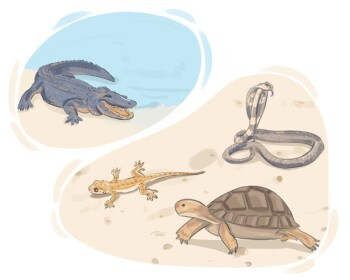
a class of animals to which crocodiles, lizards, etc. belong, characterized by having cold blood and scaly skin
reptilă, animal cu sânge rece
Un reptilă ca un șarpe poate supraviețui într-o gamă largă de medii.
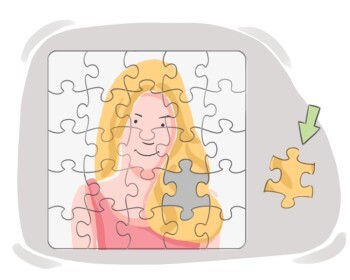
any of the pieces making a whole, when combined
parte, component
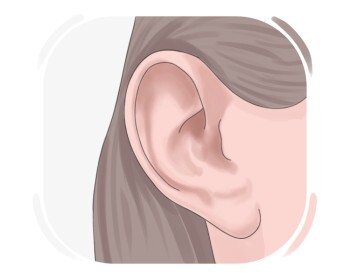
each of the two body parts that we use for hearing
ureche
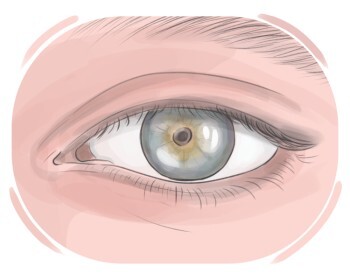
a body part on our face that we use for seeing
ochi, ochi
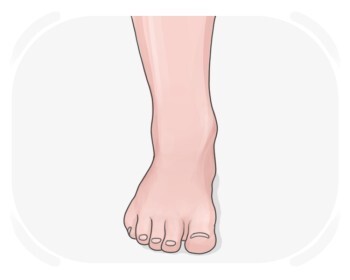
the body part that is at the end of our leg and we stand and walk on
picior, laba
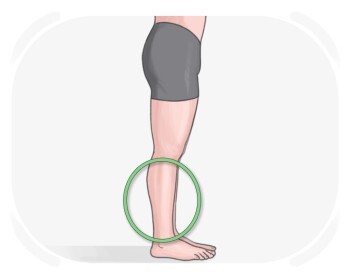
each of the two long body parts that we use when we walk
picior
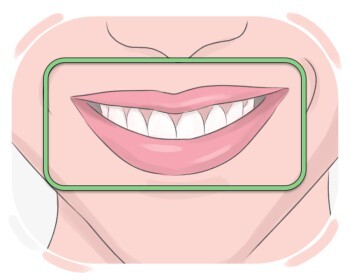
our body part that we use for eating, speaking, and breathing
gură
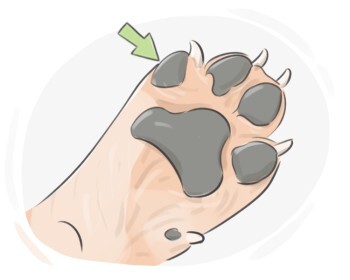
an animal's foot that typically has a combination of nails, claws, fur, and pads
lăbuță, picior
Pisoiul a lovit jucăuș șoricelul de jucărie cu micile lui lăbuțe.
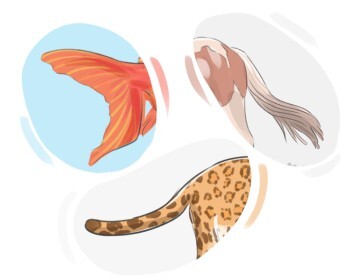
the part of the body of an animal, a bird or a fish that sticks out at the back, which can move
coadă, coada animalului
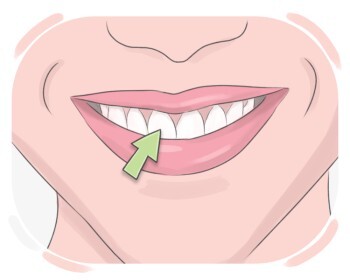
one of the things in our mouth that are hard and white and we use to chew and bite food with
dinte
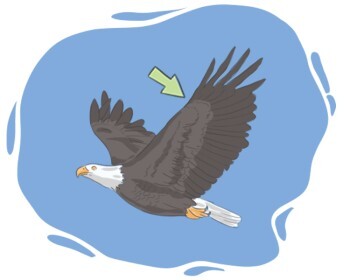
any of the two parts of the body of a bird, insect, etc. used for flying
aripă, aripioară
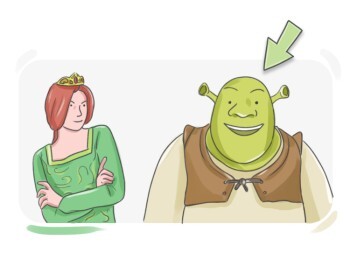
very unattractive or unpleasant in appearance
urât, hidos
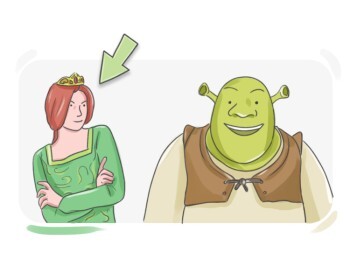
extremely pleasing to the mind or senses
frumos, minunat
causing one to feel fear
înfricoșător, terifiant
Filmul a avut un final înfricoșător.
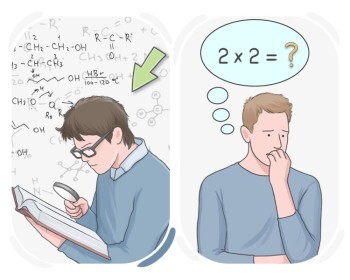
good at learning things, understanding ideas, and thinking clearly
inteligent, înțelept
El este un critic inteligent care oferă întotdeauna feedback perspicace.
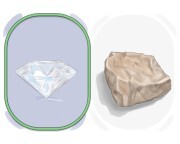
happening infrequently or uncommon in occurrence
rar, neobișnuit
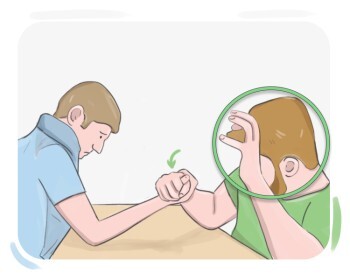
having a lot of physical power
puternic, viguros
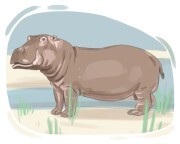
a large African mammal with a thick gray skin, big jaws and tusks that lives near water
hipopotam, hipopotam de râu
