Vocabularul Oamenilor de Știință Cheie - Alexander Fleming
Revizuire
Fișe de studiu
forme
Ortografie
Chestionar


a European country in the northern United Kingdom

Scoția, țara Scoția
Scoția este cunoscută pentru peisajele ei uluitoare, inclusiv Highlands și numeroase lacuri.
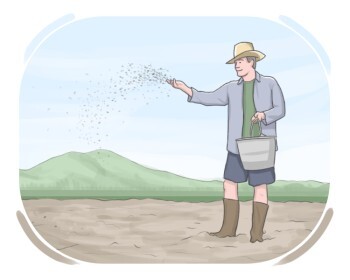
someone who has a farm or manages a farm
fermier, agricultor
El este un fermier cunoscut pentru pepenii săi suculenți.
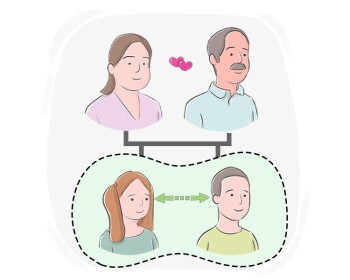
one's brother or sister
frate sau soră, sibling
Ea are o relație strânsă cu fratele sau sora ei și vorbește cu ea în fiecare zi.

to change one's place of residence or work
a se muta, a se reloca
Ea s-a mutat de la un departament la altul în cadrul companiei.
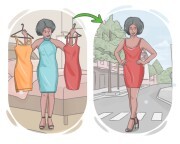
to think carefully about different things and choose one of them
a decide, a hotărî
A trebuit să decidă dacă să accepte oferta de muncă.
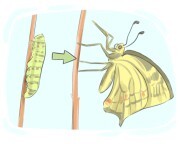
to start or grow to be
deveni, deveni
El se antrenează să devină pilot la o școală de zbor.
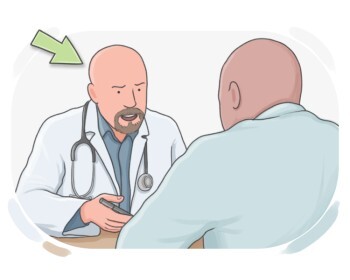
someone who has studied medicine and treats sick or injured people
medic, doctor
Vreau să devin doctor pentru a putea avea grijă de sănătatea oamenilor.
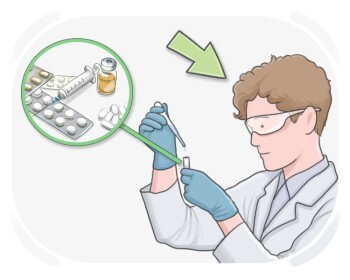
the field of science that is concerned with treating injuries and diseases
medicină
După ani de studiu riguros, a absolvit școala de medicină și a fost entuziasmată să-și înceapă cariera în medicină, ajutând pacienții să se recupereze de boli.

someone who studies a subject carefully and carries out academic or scientific research
cercetător, om de știință
Un cercetător trebuie să fie minuțios și răbdător în munca sa.
the act of finding something for the first time and before others
descoperire, găsire
Descoperirea penicilinei a revoluționat medicina prin introducerea primului antibiotic.

any of variation of antibiotics obtained from Penicillium moulds and used to treat or prevent a wide range of bacterial infections
penicilină, antibiotic din familia penicilinei
Penicilina este prescrisă în mod obișnuit pentru infecțiile bacteriene.
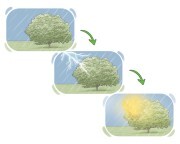
to come into existence by chance or as a consequence
se întâmpla, avea loc
Nu m-am gândit niciodată că mi s-ar întâmpla o astfel de coincidență.
without any intention or planning
din greșeală, neintenționat
Ea a spart vaza din greșeală în timp ce curăța raftul.
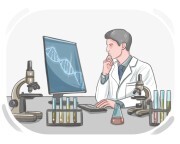
a place where people do scientific experiments, manufacture drugs, etc.
laborator, lab
Studenții la chimie au efectuat experimente în laborator pentru a studia reacțiile chimice.
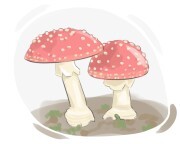
a plant-like organism that often grows on organic matter and has no flowers or leaves, such as moulds and mushrooms
ciupercă, mucegai
Au descoperit o nouă specie de ciupercă în pădurea tropicală care strălucește în întuneric.
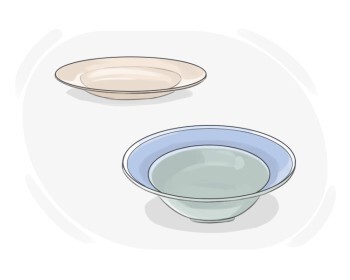
a flat, shallow container for cooking food in or serving it from
farfurie, tavă de copt
Am gătit lasagna într-un tavă mare de copt.
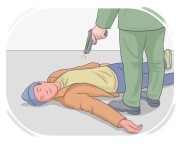
to end the life of someone or something
a omorî, a ucide
Vânătorul a țintit cu grijă pentru a ucide cerbul pentru hrană.

(microbiology) single-celled microorganisms that can be found in various environments, including soil, water, and living organisms, and can be beneficial, harmful, or neutral
bacterii
Bacteriile joacă un rol crucial în descompunerea materiei organice din ecosistem.
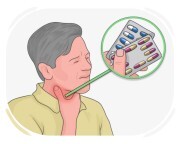
a medicine that kills or stops the growth of bacteria
antibiotic, medicament antibacterian
Medicul a prescris un antibiotic pentru infecție.
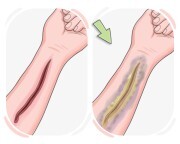
a condition in which harmful germs, such as bacteria or viruses, invade the body and cause harm, leading to symptoms such as fever, pain, and swelling
infecție
I-a fost diagnosticată o infecție bacteriană în plămâni.
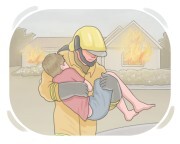
to keep someone or something safe and away from harm, death, etc.
salva, proteja
Salvamarii lucrează neobosit pentru a salva înotătorii în primejdie.
the war that took place from the year 1939 to 1945 between the axis and the allies
Al Doilea Război Mondial, Războiul Mondial II
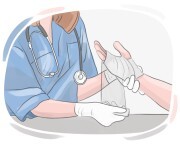
to provide medical care such as medicine or therapy to heal injuries, illnesses, or wounds and make someone better
trata, îngriji
Primul ajutor este administrat pentru a trata rănile și leziunile minore.
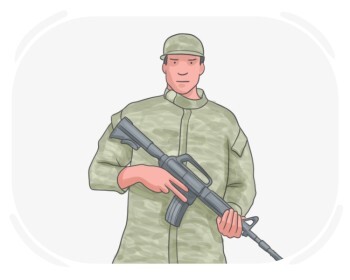
someone who serves in an army, particularly a person who is not an officer
soldat, militar
Fiecare soldat trebuie să treacă printr-o antrenament riguros.
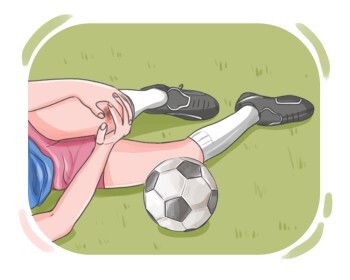
any physical damage to a part of the body caused by an accident or attack
rană, leziune
După atac, a avut o rană gravă la cap.
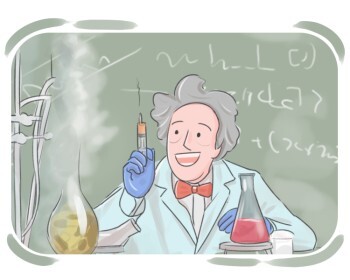
someone whose job or education is about science
om de știință, cercetător
Ca om de știință, petrece mult timp în laborator.

a prize or money given to a person for their great performance
premiu, distincție
A primit un premiu pentru întreaga activitate în cinema.
an annual award for outstanding contributions to chemistry or physics or physiology and medicine or literature or economics or peace
premiul Nobel, distincția Nobel
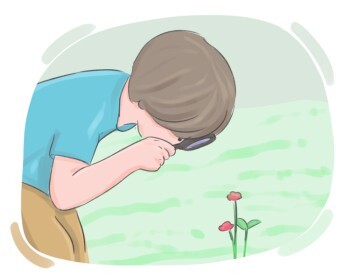
(of a person) interested in learning and knowing about things
curios, interesat
Ea este atât de curioasă; pune întrebări mereu și adoră să exploreze subiecte noi.

to investigate something to gain knowledge or understanding about it
explora, investiga
Cercetătorii au explorat efectele schimbărilor climatice asupra ecosistemelor locale, efectuând experimente pentru a colecta date și a-și analiza constatările.
a place where people do scientific experiments, manufacture drugs, etc.
laborator, lab
Studenții la chimie au efectuat experimente în laborator pentru a studia reacțiile chimice.
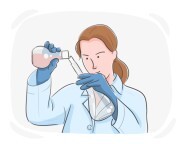
a test done to prove the truthfulness of a hypothesis
experiment
Oamenii de știință au realizat un experiment pentru a-și testa noua ipoteză.
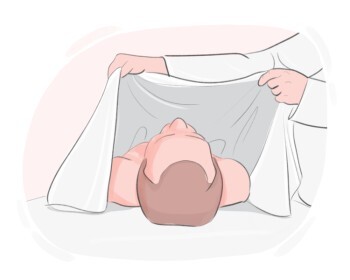
to no longer be alive
a muri, a deceda
Din păcate, peștele ei de companie a murit după ce a fost într-o stare sănătății precară timp de o săptămână.
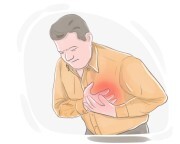
a medical emergency that happens when blood flow to the heart is suddenly blocked, which is fatal in some cases
atac de cord, infarct miocardic
A simțit o durere acută în piept și a fost transportat de urgență la spital cu suspiciune de atac de cord.
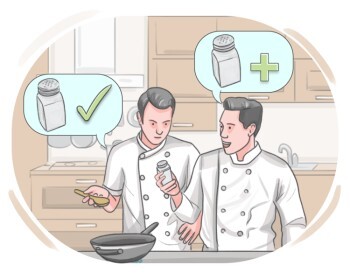
having a lot of value
important, crucial
Educația este un instrument important pentru dezvoltarea personală și profesională.
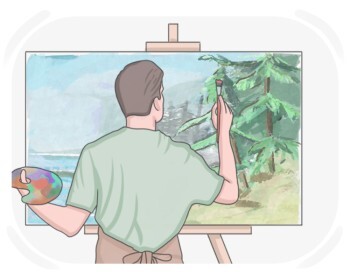
to produce a picture or design with paint
a picta
Ea a pictat un peisaj frumos al zonei rurale.