

pattern

Politics - Авторитаризм и политические потрясения

Обзор

Флэш-карточки

формы

Правописание

Тест

Начать учиться
Words Related to Politics
centralism
centralism
[существительное]

a political system that invests all the power and authority on a single prominent organization

централизм

централизм

Ex: Centralism was favored by leaders who wanted to ensure uniform policies across the entire nation.

Централизм был предпочтителен для лидеров, которые хотели обеспечить единообразную политику по всей стране.

Закрыть
Войти
centralist
centralist
[прилагательное]

someone who supports the concentration of power and authority in a central government

централист, централизатор

централист, централизатор

Ex: Many centralists believe that central control ensures stability and efficiency.

Многие централисты считают, что центральный контроль обеспечивает стабильность и эффективность.

Закрыть
Войти
oligarchy
oligarchy
[существительное]

a political system in which a small group of high-powered people control a country or organization

олигархия

олигархия

Ex: The rise of oligarchy often leads to corruption and nepotism , as ruling elites prioritize their own interests over those of the broader population .

Подъем олигархии часто приводит к коррупции и кумовству, поскольку правящие элиты ставят свои интересы выше интересов широких слоев населения.

Закрыть
Войти
absolutism
absolutism
[существительное]

the principle or system of unlimited and unchecked governmental power

самодержавие

самодержавие

Ex: Absolutism allows rulers to act without legal or parliamentary constraints .

Абсолютизм позволяет правителям действовать без правовых или парламентских ограничений.

Закрыть
Войти
despot
despot
[существительное]

a cruel ruler with absolute power

деспот, диктатор

деспот, диктатор

Ex: In history , many despots have been remembered for their brutal policies and disregard for human rights .

В истории многие деспоты запомнились своими жестокими политиками и пренебрежением к правам человека.

Закрыть
Войти
dictator
dictator
[существительное]

a ruler that has total power over a state, particularly a ruler who gained power through force

диктатор

диктатор

Ex: After years of suffering under the dictator, the people rose up in a revolution to demand democracy .

После многих лет страданий под властью диктатора народ поднялся на революцию, требуя демократии.

Закрыть
Войти
dictatorship
dictatorship
[существительное]

a form of government where power is concentrated in the hands of a single individual or a small group, often with absolute authority, without the consent of the people

диктатура

диктатура

Ex: Many countries fought against dictatorship in the 20th century .

Многие страны боролись против диктатуры в XX веке.

Закрыть
Войти
tyrant
tyrant
[существительное]

a ruler or leader who has absolute power and uses it in a cruel and oppressive way, without any regard for the rights or well-being of others

тиран

тиран

Ex: The tyrant enforced strict laws that stifled any form of dissent or opposition .

Тиран ввел строгие законы, подавляющие любую форму инакомыслия или оппозиции.

Закрыть
Войти
fascism
fascism
[существительное]

an extreme right-wing political attitude or system characterized by a strong central government, aggressively promoting one's country or race above others, as well as prohibiting any opposition

фашизм

фашизм

Ex: The resistance movement fought bravely against the spread of fascism during World War II .

Движение сопротивления храбро боролось против распространения фашизма во время Второй мировой войны.

Закрыть
Войти
fascist
fascist
[существительное]

a person who supports authoritarian or dictatorial political ideas

фашист, сторонник фашизма

фашист, сторонник фашизма

Ex: Fascists often use propaganda to maintain control over the population .

Фашисты часто используют пропаганду для поддержания контроля над населением.

Закрыть
Войти
militarism
militarism
[существительное]

the belief that a country must have a strong military force in order to seem more powerful

милитаризм

милитаризм

Ex: The rise of militarism in certain regions often coincides with nationalist movements , where military strength is seen as essential for protecting national sovereignty and interests .

Подъем милитаризма в определенных регионах часто совпадает с националистическими движениями, где военная мощь рассматривается как необходимая для защиты национального суверенитета и интересов.

Закрыть
Войти
militarist
militarist
[существительное]

a person who supports using military force or warlike policies

милитарист, сторонник военной политики

милитарист, сторонник военной политики

Ex: The politician was labeled a militarist for his strong defense proposals .

Политик был назван милитаристом за свои сильные предложения по обороне.

Закрыть
Войти
militaristic
militaristic
[прилагательное]

favoring or emphasizing military power and aggressive policies

милитаристский, агрессивный

милитаристский, агрессивный

Ex: Militaristic policies shaped the nation 's foreign relations .

Милитаристская политика сформировала внешние отношения нации.

Закрыть
Войти
coup
coup
[существительное]

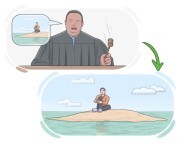
an unexpected, illegal, and often violent attempt to change a government

переворот
переворот

Ex: The country 's history was marked by several unsuccessful coup attempts during its transition to democracy .

История страны была отмечена несколькими неудачными попытками государственного переворота во время перехода к демократии.

Закрыть
Войти
to exile
to exile
[глагол]

to force someone to live away from their native country, usually due to political reasons or as a punishment

ссылать

ссылать

Ex: The journalist was exiled for exposing government corruption .

Журналист был изгнан за разоблачение коррупции в правительстве.

Закрыть
Войти
dissidence
dissidence
[существительное]

the action or process of disagreeing or disobeying established authority or doctrine

диссидентство

диссидентство

Ex: Their dissidence took the form of counter-cultural art and music that delivered anti-establishment messages .

Их инакомыслие приняло форму контркультурного искусства и музыки, которые передавали анти-истеблишментские послания.

Закрыть
Войти
dissident
dissident
[существительное]

someone who declares opposition to the government of one's country, knowing there is punishment for doing so

диссидент, инакомыслящий

диссидент, инакомыслящий

Ex: He was known as a prominent dissident who advocated for democratic reforms .

Он был известен как видный диссидент, выступавший за демократические реформы.

Закрыть
Войти
unrest
unrest
[существительное]

a political situation in which there is anger among the people and protests are likely

беспорядки, волнения

беспорядки, волнения

Ex: The rise in fuel prices caused unrest among the workers .

Рост цен на топливо вызвал волнения среди рабочих.

Закрыть
Войти
uprising
uprising
[существительное]

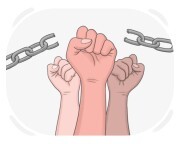
a situation in which people join together to fight against those in power

восстание
восстание

Ex: The documentary explored the causes of the 20th-century labor uprisings.

Документальный фильм исследовал причины рабочих восстаний XX века.

Закрыть
Войти
revolution
revolution
[существительное]

the fundamental change of power, government, etc. in a country by people, particularly involving violence

революция

революция

Ex: The revolution resulted in significant political and social reforms across the nation .

Революция привела к значительным политическим и социальным реформам по всей стране.

Закрыть
Войти
revolutionary
revolutionary
[существительное]

a person who actively supports or participates in a political or social revolution

революционер, повстанец

революционер, повстанец

Ex: He became a revolutionary after witnessing inequality.

Он стал революционером после того, как стал свидетелем неравенства.

Закрыть
Войти
revisionist
revisionist
[существительное]

a Communist who alters Marxist theory to support a less revolutionary approach

ревизионист, реформист

ревизионист, реформист

Ex: Leaders expelled revisionists who opposed strict revolutionary policies .

Лидеры изгнали ревизионистов, которые выступали против строгой революционной политики.

Закрыть
Войти
reactionary
reactionary
[прилагательное]

strongly against any political or social changes or any new ideas

реакционный

реакционный

Ex: She found the reactionary policies to be out of touch with current needs .

Она считала, что реакционная политика не соответствует текущим потребностям.

Закрыть
Войти
revolt
revolt
[существительное]

a rebellion or uprising, often involving violence, by a group of people against an authority or ruling power

восстание

восстание

Ex: The revolt spread quickly across the region , gaining support .

Восстание быстро распространилось по региону, получая поддержку.

Закрыть
Войти
LanGeek
Скачать приложение LanGeek