

pattern

Politics - Autoritářství a politické otřesy

Revize

Kartičky

tvary

Pravopis

Kvíz

Začněte se učit
Words Related to Politics
centralism
centralism
[Podstatné jméno]

a political system that invests all the power and authority on a single prominent organization

centralismus, centralizace

centralismus, centralizace

Ex: Centralism was favored by leaders who wanted to ensure uniform policies across the entire nation.

Centralismus byl upřednostňován vůdci, kteří chtěli zajistit jednotnou politiku v celé zemi.

centralist
centralist
[Přídavné jméno]

someone who supports the concentration of power and authority in a central government

centralista, centralizátor

centralista, centralizátor

Ex: Many centralists believe that central control ensures stability and efficiency.

Mnoho centralistů věří, že centrální kontrola zajišťuje stabilitu a efektivitu.

oligarchy
oligarchy
[Podstatné jméno]

a political system in which a small group of high-powered people control a country or organization

oligarchie, vláda malé skupiny

oligarchie, vláda malé skupiny

Ex: The rise of oligarchy often leads to corruption and nepotism , as ruling elites prioritize their own interests over those of the broader population .

Vzestup oligarchie často vede ke korupci a nepotismu, protože vládnoucí elity upřednostňují své vlastní zájmy před zájmy širší populace.

absolutism
absolutism
[Podstatné jméno]

the principle or system of unlimited and unchecked governmental power

absolutismus, despotismus

absolutismus, despotismus

Ex: Absolutism allows rulers to act without legal or parliamentary constraints .

Absolutismus umožňuje vládcům jednat bez právních nebo parlamentních omezení.

despot
despot
[Podstatné jméno]

a cruel ruler with absolute power

despota, tyran

despota, tyran

Ex: In history , many despots have been remembered for their brutal policies and disregard for human rights .

V historii bylo mnoho despotů zapamatováno pro své brutální politiky a opovrhování lidskými právy.

dictator
dictator
[Podstatné jméno]

a ruler that has total power over a state, particularly a ruler who gained power through force

diktátor, tyran

diktátor, tyran

Ex: After years of suffering under the dictator, the people rose up in a revolution to demand democracy .

Po letech utrpení pod diktátorem se lidé vzbouřili v revoluci, aby požadovali demokracii.

dictatorship
dictatorship
[Podstatné jméno]

a form of government where power is concentrated in the hands of a single individual or a small group, often with absolute authority, without the consent of the people

diktatura, diktátorský režim

diktatura, diktátorský režim

Ex: Many countries fought against dictatorship in the 20th century .

Mnoho zemí bojovalo proti diktatuře ve 20. století.

tyrant
tyrant
[Podstatné jméno]

a ruler or leader who has absolute power and uses it in a cruel and oppressive way, without any regard for the rights or well-being of others

tyran, despota

tyran, despota

Ex: The tyrant enforced strict laws that stifled any form of dissent or opposition .

Tyran uvalil přísné zákony, které potlačovaly jakoukoli formu nesouhlasu nebo opozice.

fascism
fascism
[Podstatné jméno]

an extreme right-wing political attitude or system characterized by a strong central government, aggressively promoting one's country or race above others, as well as prohibiting any opposition

fašismus

fašismus

Ex: The resistance movement fought bravely against the spread of fascism during World War II .

Odbojové hrdinně bojovalo proti šíření fašismu během druhé světové války.

fascist
fascist
[Podstatné jméno]

a person who supports authoritarian or dictatorial political ideas

fašista, stoupenec fašismu

fašista, stoupenec fašismu

Ex: Fascists often use propaganda to maintain control over the population .

Fašisté často používají propagandu, aby udrželi kontrolu nad obyvatelstvem.

militarism
militarism
[Podstatné jméno]

the belief that a country must have a strong military force in order to seem more powerful

militarismus

militarismus

Ex: The rise of militarism in certain regions often coincides with nationalist movements , where military strength is seen as essential for protecting national sovereignty and interests .

Vzestup militarismu v určitých regionech často souvisí s nacionalistickými hnutími, kde je vojenská síla považována za nezbytnou pro ochranu národní suverenity a zájmů.

militarist
militarist
[Podstatné jméno]

a person who supports using military force or warlike policies

militarista, příznivec válečné politiky

militarista, příznivec válečné politiky

Ex: The politician was labeled a militarist for his strong defense proposals .

Politik byl označen za militaristu kvůli svým silným obranným návrhům.

militaristic
militaristic
[Přídavné jméno]

favoring or emphasizing military power and aggressive policies

militaristický, válečnický

militaristický, válečnický

Ex: Militaristic policies shaped the nation 's foreign relations .

Militaristické politiky utvářely zahraniční vztahy národa.

coup
coup
[Podstatné jméno]

an unexpected, illegal, and often violent attempt to change a government

státní převrat
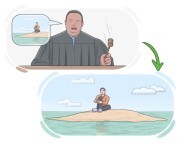
státní převrat

Ex: The country 's history was marked by several unsuccessful coup attempts during its transition to democracy .

Historie země byla poznamenána několika neúspěšnými pokusy o převrat během jejího přechodu k demokracii.

to exile
to exile
[sloveso]

to force someone to live away from their native country, usually due to political reasons or as a punishment

vyhostit, vyhnat

vyhostit, vyhnat

Ex: The journalist was exiled for exposing government corruption .

Novinář byl vyhoštěn za odhalení vládní korupce.

dissidence
dissidence
[Podstatné jméno]

the action or process of disagreeing or disobeying established authority or doctrine

disidence, nesouhlas

disidence, nesouhlas

Ex: Their dissidence took the form of counter-cultural art and music that delivered anti-establishment messages .

Jejich nesouhlas nabyl podoby protikulturního umění a hudby, které předávaly protistátní poselství.

dissident
dissident
[Podstatné jméno]

someone who declares opposition to the government of one's country, knowing there is punishment for doing so

disident, odpůrce

disident, odpůrce

Ex: He was known as a prominent dissident who advocated for democratic reforms .

Byl znám jako prominentní disident, který prosazoval demokratické reformy.

unrest
unrest
[Podstatné jméno]

a political situation in which there is anger among the people and protests are likely

neklid, nepokoje

neklid, nepokoje

Ex: The rise in fuel prices caused unrest among the workers .

Růst cen paliv způsobil nepokoje mezi pracovníky.

uprising
uprising
[Podstatné jméno]

a situation in which people join together to fight against those in power

povstání, vzpoura
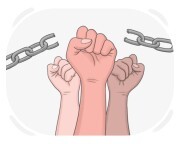
povstání, vzpoura

Ex: The documentary explored the causes of the 20th-century labor uprisings.

Dokument zkoumal příčiny dělnických povstání 20. století.

revolution
revolution
[Podstatné jméno]

the fundamental change of power, government, etc. in a country by people, particularly involving violence

revoluce

revoluce

Ex: The revolution resulted in significant political and social reforms across the nation .

Revoluce vedla k významným politickým a sociálním reformám po celé zemi.

revolutionary
revolutionary
[Podstatné jméno]

a person who actively supports or participates in a political or social revolution

revolucionář, povstalec

revolucionář, povstalec

Ex: He became a revolutionary after witnessing inequality.

Stal se revolucionářem poté, co byl svědkem nerovnosti.

revisionist
revisionist
[Podstatné jméno]

a Communist who alters Marxist theory to support a less revolutionary approach

revizionista, reformista

revizionista, reformista

Ex: Leaders expelled revisionists who opposed strict revolutionary policies .

Vůdci vyhostili revizionisty, kteří se stavěli proti přísným revolučním politikám.

reactionary
reactionary
[Přídavné jméno]

strongly against any political or social changes or any new ideas

reakcionářský, konzervativní

reakcionářský, konzervativní

Ex: She found the reactionary policies to be out of touch with current needs .

Shledala, že reakční politiky jsou neaktuální.

revolt
revolt
[Podstatné jméno]

a rebellion or uprising, often involving violence, by a group of people against an authority or ruling power

povstání, vzpoura

povstání, vzpoura

Ex: The revolt spread quickly across the region , gaining support .

Vzpoura se rychle rozšířila po celém regionu a získala podporu.

LanGeek
Stáhnout aplikaci LanGeek