

pattern

Politics - Autorytaryzm i wstrząsy polityczne

Przegląd

Fiszki

formy

Pisownia

Test

Zacznij naukę
Words Related to Politics
centralism
centralism
[Rzeczownik]

a political system that invests all the power and authority on a single prominent organization

centralizm, centralizacja

centralizm, centralizacja

Ex: Centralism was favored by leaders who wanted to ensure uniform policies across the entire nation.

Centralizm był preferowany przez przywódców, którzy chcieli zapewnić jednolite polityki w całym kraju.

centralist
centralist
[przymiotnik]

someone who supports the concentration of power and authority in a central government

centralista, centralizator

centralista, centralizator

Ex: Many centralists believe that central control ensures stability and efficiency.

Wielu centralistów wierzy, że kontrola centralna zapewnia stabilność i efektywność.

oligarchy
oligarchy
[Rzeczownik]

a political system in which a small group of high-powered people control a country or organization

oligarchia, rządy małej grupy

oligarchia, rządy małej grupy

Ex: The rise of oligarchy often leads to corruption and nepotism , as ruling elites prioritize their own interests over those of the broader population .

Wzrost oligarchii często prowadzi do korupcji i nepotyzmu, ponieważ rządzące elity stawiają swoje interesy ponad interesy szerszej populacji.

absolutism
absolutism
[Rzeczownik]

the principle or system of unlimited and unchecked governmental power

absolutyzm, despotyzm

absolutyzm, despotyzm

Ex: Absolutism allows rulers to act without legal or parliamentary constraints .

Absolutyzm pozwala władcom działać bez ograniczeń prawnych lub parlamentarnych.

despot
despot
[Rzeczownik]

a cruel ruler with absolute power

despota, tyran

despota, tyran

Ex: In history , many despots have been remembered for their brutal policies and disregard for human rights .

W historii wielu despotów zapamiętano za ich brutalne polityki i lekceważenie praw człowieka.

dictator
dictator
[Rzeczownik]

a ruler that has total power over a state, particularly a ruler who gained power through force

dyktator, tyran

dyktator, tyran

Ex: After years of suffering under the dictator, the people rose up in a revolution to demand democracy .

Po latach cierpienia pod rządami dyktatora ludzie powstali w rewolucji, domagając się demokracji.

dictatorship
dictatorship
[Rzeczownik]

a form of government where power is concentrated in the hands of a single individual or a small group, often with absolute authority, without the consent of the people

dyktatura, reżim dyktatorski

dyktatura, reżim dyktatorski

Ex: Many countries fought against dictatorship in the 20th century .

Wiele krajów walczyło z dyktaturą w XX wieku.

tyrant
tyrant
[Rzeczownik]

a ruler or leader who has absolute power and uses it in a cruel and oppressive way, without any regard for the rights or well-being of others

tyran, despota

tyran, despota

Ex: The tyrant enforced strict laws that stifled any form of dissent or opposition .

Tyran wprowadził surowe prawa, które tłumiły wszelkie formy sprzeciwu lub opozycji.

fascism
fascism
[Rzeczownik]

an extreme right-wing political attitude or system characterized by a strong central government, aggressively promoting one's country or race above others, as well as prohibiting any opposition

faszyzm

faszyzm

Ex: The resistance movement fought bravely against the spread of fascism during World War II .

Ruch oporu dzielnie walczył z rozprzestrzenianiem się faszyzmu podczas II wojny światowej.

fascist
fascist
[Rzeczownik]

a person who supports authoritarian or dictatorial political ideas

faszysta, zwolennik faszyzmu

faszysta, zwolennik faszyzmu

Ex: Fascists often use propaganda to maintain control over the population .

Faszyści często używają propagandy, aby utrzymać kontrolę nad populacją.

militarism
militarism
[Rzeczownik]

the belief that a country must have a strong military force in order to seem more powerful

militaryzm

militaryzm

Ex: The rise of militarism in certain regions often coincides with nationalist movements , where military strength is seen as essential for protecting national sovereignty and interests .

Wzrost militaryzmu w niektórych regionach często zbiega się z ruchami nacjonalistycznymi, gdzie siła militarna jest postrzegana jako niezbędna do ochrony suwerenności i interesów narodowych.

militarist
militarist
[Rzeczownik]

a person who supports using military force or warlike policies

militarysta, zwolennik polityki wojennej

militarysta, zwolennik polityki wojennej

Ex: The politician was labeled a militarist for his strong defense proposals .

Polityk został nazwany militarystą za swoje silne propozycje obronne.

militaristic
militaristic
[przymiotnik]

favoring or emphasizing military power and aggressive policies

militarystyczny, wojowniczy

militarystyczny, wojowniczy

Ex: Militaristic policies shaped the nation 's foreign relations .

Polityki militarystyczne ukształtowały stosunki zagraniczne narodu.

coup
coup
[Rzeczownik]

an unexpected, illegal, and often violent attempt to change a government

zamach stanu
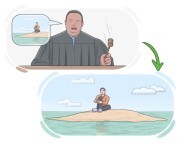
zamach stanu

Ex: The country 's history was marked by several unsuccessful coup attempts during its transition to democracy .

Historia kraju była naznaczona kilkoma nieudanymi próbami zamachu stanu podczas jego przejścia do demokracji.

to exile
to exile
[Czasownik]

to force someone to live away from their native country, usually due to political reasons or as a punishment

zesłać, wygnać

zesłać, wygnać

Ex: The journalist was exiled for exposing government corruption .

Dziennikarz został wygnany za ujawnienie korupcji rządowej.

dissidence
dissidence
[Rzeczownik]

the action or process of disagreeing or disobeying established authority or doctrine

dysonans, sprzeciw

dysonans, sprzeciw

Ex: Their dissidence took the form of counter-cultural art and music that delivered anti-establishment messages .

Ich dysonans przybrał formę kontrkulturowej sztuki i muzyki, która przekazywała antyestablishmentowe przesłania.

dissident
dissident
[Rzeczownik]

someone who declares opposition to the government of one's country, knowing there is punishment for doing so

dysydent, opozycjonista

dysydent, opozycjonista

Ex: He was known as a prominent dissident who advocated for democratic reforms .

Był znany jako prominentny dysydent, który opowiadał się za reformami demokratycznymi.

unrest
unrest
[Rzeczownik]

a political situation in which there is anger among the people and protests are likely

niepokój, zamieszki

niepokój, zamieszki

Ex: The rise in fuel prices caused unrest among the workers .

Wzrost cen paliw spowodował niepokoje wśród pracowników.

uprising
uprising
[Rzeczownik]

a situation in which people join together to fight against those in power

powstanie, bunt
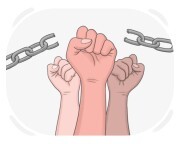
powstanie, bunt

Ex: The documentary explored the causes of the 20th-century labor uprisings.

Dokument badał przyczyny robotniczych powstań XX wieku.

revolution
revolution
[Rzeczownik]

the fundamental change of power, government, etc. in a country by people, particularly involving violence

rewolucja

rewolucja

Ex: The revolution resulted in significant political and social reforms across the nation .

Rewolucja doprowadziła do znaczących reform politycznych i społecznych w całym kraju.

revolutionary
revolutionary
[Rzeczownik]

a person who actively supports or participates in a political or social revolution

rewolucjonista, powstaniec

rewolucjonista, powstaniec

Ex: He became a revolutionary after witnessing inequality.

Stał się rewolucjonistą po tym, jak był świadkiem nierówności.

revisionist
revisionist
[Rzeczownik]

a Communist who alters Marxist theory to support a less revolutionary approach

rewizjonista, reformista

rewizjonista, reformista

Ex: Leaders expelled revisionists who opposed strict revolutionary policies .

Przywódcy wydalili rewizjonistów, którzy sprzeciwiali się surowym politykom rewolucyjnym.

reactionary
reactionary
[przymiotnik]

strongly against any political or social changes or any new ideas

reakcyjny, konserwatywny

reakcyjny, konserwatywny

Ex: She found the reactionary policies to be out of touch with current needs .

Uznała, że reakcyjne polityki są oderwane od obecnych potrzeb.

revolt
revolt
[Rzeczownik]

a rebellion or uprising, often involving violence, by a group of people against an authority or ruling power

bunt, powstanie

bunt, powstanie

Ex: The revolt spread quickly across the region , gaining support .

Bunt szybko rozprzestrzenił się po regionie, zyskując poparcie.

LanGeek
Pobierz aplikację LanGeek