
pattern

Politics - Autoritarism și tulburări politice

Revizuire

Fișe de studiu

forme

Ortografie

Chestionar

Începe să înveți
Words Related to Politics
centralism
centralism
[substantiv]

a political system that invests all the power and authority on a single prominent organization

centralism, centralizare

centralism, centralizare

Ex: Centralism was favored by leaders who wanted to ensure uniform policies across the entire nation.

Centralismul a fost favorizat de liderii care doreau să asigure politici uniforme în întreaga națiune.

Închide
Conectare
centralist
centralist
[adjectiv]

someone who supports the concentration of power and authority in a central government

centralist, centralizator

centralist, centralizator

Ex: Many centralists believe that central control ensures stability and efficiency.

Mulți centraliști cred că controlul central asigură stabilitate și eficiență.

Închide
Conectare
oligarchy
oligarchy
[substantiv]

a political system in which a small group of high-powered people control a country or organization

oligarhie, guvernare de către un grup mic

oligarhie, guvernare de către un grup mic

Ex: The rise of oligarchy often leads to corruption and nepotism , as ruling elites prioritize their own interests over those of the broader population .

Ascensiunea oligarhiei duce adesea la corupție și nepotism, deoarece elitele conducătoare prioritizează propriile interese în detrimentul intereselor populației mai largi.

Închide
Conectare
absolutism
absolutism
[substantiv]

the principle or system of unlimited and unchecked governmental power

absolutism, despotism

absolutism, despotism

Ex: Absolutism allows rulers to act without legal or parliamentary constraints .

Absolutismul permite conducătorilor să acționeze fără constrângeri legale sau parlamentare.

Închide
Conectare
despot
despot
[substantiv]

a cruel ruler with absolute power

despot, tiran

despot, tiran

Ex: In history , many despots have been remembered for their brutal policies and disregard for human rights .

În istorie, mulți despoți au fost amintiți pentru politicile lor brutale și disprețul față de drepturile omului.

Închide
Conectare
dictator
dictator
[substantiv]

a ruler that has total power over a state, particularly a ruler who gained power through force

dictator, tiran

dictator, tiran

Ex: After years of suffering under the dictator, the people rose up in a revolution to demand democracy .

După ani de suferință sub dictator, poporul s-a ridicat într-o revoluție pentru a cere democrație.

Închide
Conectare
dictatorship
dictatorship
[substantiv]

a form of government where power is concentrated in the hands of a single individual or a small group, often with absolute authority, without the consent of the people

dictatură, regim dictatorial

dictatură, regim dictatorial

Ex: Many countries fought against dictatorship in the 20th century .

Multe țări au luptat împotriva dictaturii în secolul al XX-lea.

Închide
Conectare
tyrant
tyrant
[substantiv]

a ruler or leader who has absolute power and uses it in a cruel and oppressive way, without any regard for the rights or well-being of others

tiran, despot

tiran, despot

Ex: The tyrant enforced strict laws that stifled any form of dissent or opposition .

Tiranul a impus legi stricte care înăbușeau orice formă de disidență sau opoziție.

Închide
Conectare
fascism
fascism
[substantiv]

an extreme right-wing political attitude or system characterized by a strong central government, aggressively promoting one's country or race above others, as well as prohibiting any opposition

fascism

fascism

Ex: The resistance movement fought bravely against the spread of fascism during World War II .

Mișcarea de rezistență a luptat curajos împotriva răspândirii fascismului în timpul celui de-al Doilea Război Mondial.

Închide
Conectare
fascist
fascist
[substantiv]

a person who supports authoritarian or dictatorial political ideas

fascist, susținător al fascismului

fascist, susținător al fascismului

Ex: Fascists often use propaganda to maintain control over the population .

Fasciștii folosesc adesea propaganda pentru a menține controlul asupra populației.

Închide
Conectare
militarism
militarism
[substantiv]

the belief that a country must have a strong military force in order to seem more powerful

militarism

militarism

Ex: The rise of militarism in certain regions often coincides with nationalist movements , where military strength is seen as essential for protecting national sovereignty and interests .

Creșterea militarismului în anumite regiuni coincide adesea cu mișcările naționaliste, unde puterea militară este considerată esențială pentru protejarea suveranității și a intereselor naționale.

Închide
Conectare
militarist
militarist
[substantiv]

a person who supports using military force or warlike policies

militarist, susținător al politicii militare

militarist, susținător al politicii militare

Ex: The politician was labeled a militarist for his strong defense proposals .

Politicianul a fost etichetat drept militarist pentru propunerile sale puternice de apărare.

Închide
Conectare
militaristic
militaristic
[adjectiv]

favoring or emphasizing military power and aggressive policies

militarist, belicos

militarist, belicos

Ex: Militaristic policies shaped the nation 's foreign relations .

Politicile militariste au modelat relațiile externe ale națiunii.

Închide
Conectare
coup
coup
[substantiv]

an unexpected, illegal, and often violent attempt to change a government

lovitură de stat
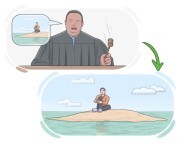
lovitură de stat

Ex: The country 's history was marked by several unsuccessful coup attempts during its transition to democracy .

Istoria țării a fost marcată de mai multe încercări eșuate de lovitură de stat în timpul tranziției sale către democrație.

Închide
Conectare
to exile
to exile
[verb]

to force someone to live away from their native country, usually due to political reasons or as a punishment

exila, alunga

exila, alunga

Ex: The journalist was exiled for exposing government corruption .

Jurnalistul a fost exilat pentru că a expus corupția guvernamentală.

Închide
Conectare
dissidence
dissidence
[substantiv]

the action or process of disagreeing or disobeying established authority or doctrine

disidență, contestare

disidență, contestare

Ex: Their dissidence took the form of counter-cultural art and music that delivered anti-establishment messages .

Disidența lor a luat forma unei arte și muzici contraculturale care transmiteau mesaje anti-establishment.

Închide
Conectare
dissident
dissident
[substantiv]

someone who declares opposition to the government of one's country, knowing there is punishment for doing so

disident, opozant

disident, opozant

Ex: He was known as a prominent dissident who advocated for democratic reforms .

Era cunoscut ca un disident proeminent care milita pentru reforme democratice.

Închide
Conectare
unrest
unrest
[substantiv]

a political situation in which there is anger among the people and protests are likely

neliniște, nemulțumiri

neliniște, nemulțumiri

Ex: The rise in fuel prices caused unrest among the workers .

Creșterea prețurilor la combustibil a provocat neliniște printre muncitori.

Închide
Conectare
uprising
uprising
[substantiv]

a situation in which people join together to fight against those in power

răscoală, revoltă

răscoală, revoltă

Ex: The documentary explored the causes of the 20th-century labor uprisings.

Documentarul a explorat cauzele revoltelor muncitorești din secolul XX.

Închide
Conectare
revolution
revolution
[substantiv]

the fundamental change of power, government, etc. in a country by people, particularly involving violence

revoluție

revoluție

Ex: The revolution resulted in significant political and social reforms across the nation .

Revoluția a dus la reforme politice și sociale semnificative în întreaga țară.

Închide
Conectare
revolutionary
revolutionary
[substantiv]

a person who actively supports or participates in a political or social revolution

revoluționar, răsculat

revoluționar, răsculat

Ex: He became a revolutionary after witnessing inequality.

A devenit un revoluționar după ce a fost martor la inegalitate.

Închide
Conectare
revisionist
revisionist
[substantiv]

a Communist who alters Marxist theory to support a less revolutionary approach

revisionist, reformist

revisionist, reformist

Ex: Leaders expelled revisionists who opposed strict revolutionary policies .

Liderii i-au expulzat pe revisioniștii care se opuneau politicilor revoluționare stricte.

Închide
Conectare
reactionary
reactionary
[adjectiv]

strongly against any political or social changes or any new ideas

reacționar, conservator

reacționar, conservator

Ex: She found the reactionary policies to be out of touch with current needs .

Ea a considerat că politicile reacționare sunt învechite față de nevoile actuale.

Închide
Conectare
revolt
revolt
[substantiv]

a rebellion or uprising, often involving violence, by a group of people against an authority or ruling power

revoltă, răscoală

revoltă, răscoală

Ex: The revolt spread quickly across the region , gaining support .

Revolta s-a răspândit rapid în întreaga regiune, câștigând sprijin.

Închide
Conectare
LanGeek
Descarcă aplicația LanGeek
