Список Слов Уровня A2 - Школа
Здесь вы выучите некоторые английские слова о школе и образовании, такие как "курс", "специализация" и "предмет", подготовленные для учащихся уровня A2.
Обзор
Флэш-карточки
Правописание
Тест


a series of lessons or lectures on a particular subject

курс обучения
Он завершил курс фотографии, чтобы улучшить свои навыки работы с камерой.
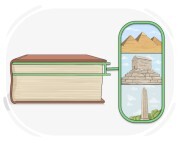
a part of a book that is intended to be used for learning a specific subject
урок
На уроке искусства мы практиковались в рисовании пейзажей.
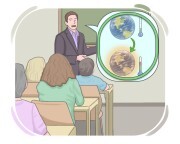
a branch or an area of knowledge that we study at a school, college, or university
предмет
В университете Джейн специализировалась на предмете лингвистики, изучая различные языки и их структуры.

a person's performance or capability in comparison to others
уровень
На её текущем уровне английского, Сара может вести базовые разговоры и понимать повседневные выражения.
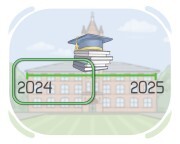
each of the two periods into which a year at schools or universities is divided
семестр
В конце каждого семестра студенты получают табель с оценками.
the main subject or course that a student studies at a university or college
основной предмет
Она решила объявить психологию своей основной специальностью после прохождения вводного курса и обнаружения своей страсти к этому предмету.

someone who is or was in the same class as you at school or college
одноклассник
На встрече выпускников бывшие одноклассники вспоминали общие переживания и достижения.
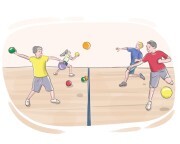
a person we do a particular activity with, such as playing a game
партнер
Теннисный партнёр Алекса действительно умелый, и они составляют отличную команду.

a book or electronic resource that gives a list of words in alphabetical order and explains their meanings, or gives the equivalent words in a different language
словарь
Карманный словарь может быть удобен во время путешествий, чтобы помочь общаться на разных языках.

a way of testing how much someone knows about a subject
экзамен
На языковом экзамене мы должны были написать небольшое эссе о нашей любимой книге.
an examination that consists of a set of questions, exercises, or activities to measure someone’s knowledge, skill, or ability
контрольная работа
После языкового теста учитель предоставил обратную связь, чтобы помочь студентам улучшить свои языковые навыки.
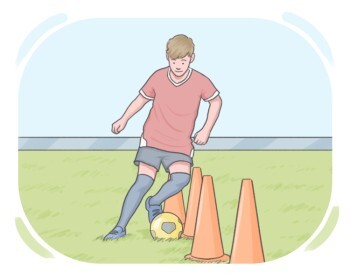
the act of repeatedly doing something to become better at doing it
тренировка
Ежедневная практика йоги может улучшить гибкость и снизить стресс.

something that a person spends time doing, particularly to accomplish a certain purpose
деятельность
Рисование и живопись — это творческие занятия, которые могут выражать ваши эмоции.
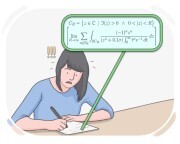
a question that can be answered by mathematics or logical thinking
проблема
В соревновании каждая команда должна была решить один и тот же набор задач.
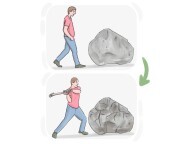
to find an answer or solution to a question or problem
решать
Позитивный настрой часто может помочь вам решать различные жизненные трудности.

a letter or number given by a teacher to show how a student is performing in class, school, etc.
отметка
Я получил A на тесте по английскому, потому что усердно учился.

a particular task involving careful study of a subject, done by school or college students
проект
В проекте по географии ученики сделали карту разных стран и их столиц.

a careful and systematic study of a subject to discover new facts or information about it
исследование
Марк провел часы в библиотеке, занимаясь исследованием для своей исторической работы.

a brief account or statement, that gives only the main points of something, without mentioning the details
краткое изложение
После встречи я отправил резюме ключевых моментов всем участникам.

a piece of writing about a particular subject on a website, in a newspaper, magazine, or other publication
статья
Я нашел статью в интернете, в которой объяснялось, как улучшить навыки управления временем.

one side or both sides of a sheet of paper in a newspaper, magazine, book, etc.
страница
Я перевернул страницу, чтобы продолжить читать историю в книге.
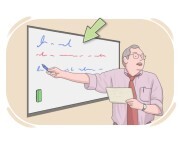
a large board with a smooth white surface that we can write on, especially used for teaching or presentations
белая доска
Во время урока языка учитель написал новую лексику на белой доске.

a restaurant, typically in colleges, hospitals, etc. where you choose and pay for your meal before carrying it to a table
кафетерий, столовая
Столовая — это популярное место для студентов, где они могут пообщаться во время перерыва.

a series of written or printed names or items, typically one below the other
список
Джон проверил список ингредиентов перед тем, как начать готовить.
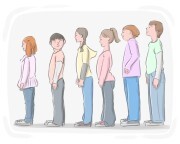
a row of people or things behind each other or next to each other
очередь
Автобусы были припаркованы в линию на автовокзале.

a short piece of writing that helps us remember something
записка
Я написал быструю заметку, чтобы напомнить себе купить продукты после работы.
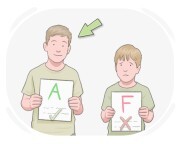
to get the necessary grades in an exam, test, course, etc.
сдать, пройти
Ты сдал все свои экзамены?
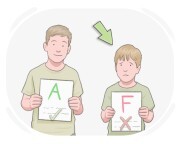
to be unsuccessful in an examination or course
провалить экзамен
Несмотря на усердную учебу, он провалил тест по математике.
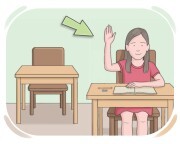
(of people) being somewhere particular
присутствующий, присутствующая
Во время переклички учитель отмечает тех, кто присутствует.
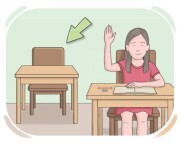
(of people) not present in a place
отсутствующий
Джейн вчера отсутствовала в школе из-за температуры.
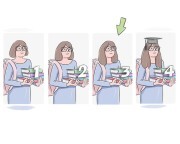
a student who is in the year before the last year of college or high school
ученик средней школы
Как юниоры, они готовятся к стандартизированным тестам и вступительным экзаменам в колледж.

to pay full attention to someone or something specific
сосредоточить
Джейн может лучше сосредоточиться, когда слушает инструментальную музыку.
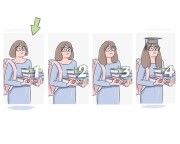
a high-school or university student who is in their first year of education
первокурсник, первокурсница
Как первокурснику, важно искать совета у старшекурсников и профессоров для академического успеха.
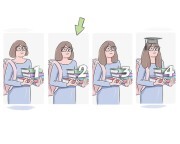
a student at a high school or university in their second year of education
студент-второкурсник
Как студент второго курса, я посещаю более продвинутые занятия по своей специальности.
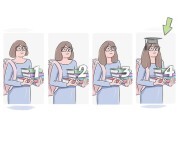
a student who has one more year to graduate from a university or high school
старшеклассник
В колледже у студентов последнего курса есть возможность выполнить дипломную работу.