pattern

Ключевая лексика для распространенных заболеваний - Холод

Обзор

Флэш-карточки

формы

Правописание

Тест

Начать учиться
Key Vocabulary for Common Illnesses
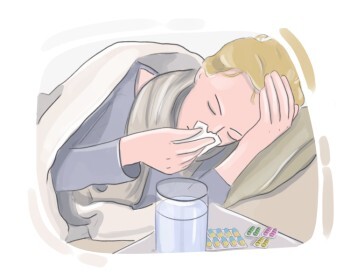
cold
cold
[существительное]

a mild disease that we usually get when viruses affect our body and make us cough, sneeze, or have fever

простуда

простуда

Ex: She could n't go to school because of a severe cold.

Она не могла пойти в школу из-за сильной простуды.

Закрыть
Войти
to [feel] sick
to feel sick
[фраза]

to experience symptoms of illness

Ex: She began to feel sick with a headache and stomach ache.
Закрыть
Войти
runny nose
runny nose
[существительное]

a condition in which the nose produces an excessive amount of fluid or mucus, often as a result of a cold or allergy

насморк
насморк

Ex: The cold wind gave her a runny nose.

Холодный ветер вызвал у нее насморк.

Закрыть
Войти
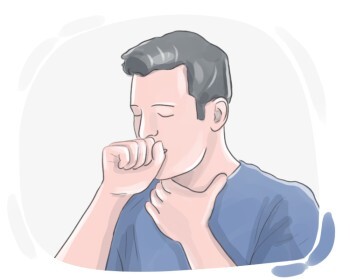
cough
cough
[существительное]

the action of air coming out of our mouth with force

кашель
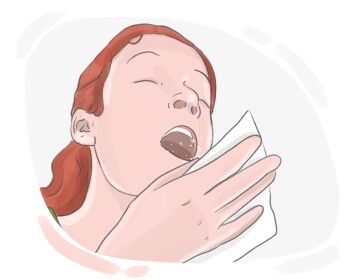
кашель

Ex: She tried to suppress her cough during the movie .

Она пыталась подавить свой кашель во время фильма.

Закрыть
Войти
sneezing
sneezing
[существительное]

a symptom consisting of the involuntary expulsion of air from the nose

чихание, чиханье
чихание, чиханье

Закрыть
Войти
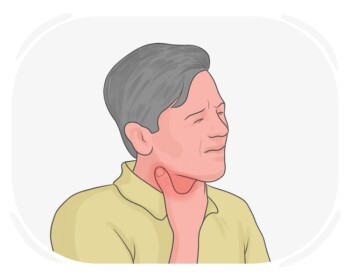
sore throat
sore throat
[существительное]

a condition when you feel pain in the throat, usually caused by bacteria or viruses

больное горло
больное горло

Ex: She drank hot tea with honey to soothe her sore throat.

Она пила горячий чай с медом, чтобы успокоить свою боль в горле.

Закрыть
Войти
child
child
[существительное]

a young person who has not reached puberty or adulthood yet

ребенок, дитя
ребенок, дитя

Ex: The school organized a field trip to the zoo , and the children were excited to see the animals up close .

Школа организовала экскурсию в зоопарк, и дети были в восторге от возможности увидеть животных вблизи.

Закрыть
Войти
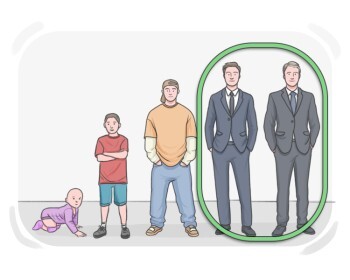
adult
adult
[существительное]

a fully grown man or woman

взрослый

взрослый

Ex: The survey aimed to gather feedback from both adults and children .

Опрос был направлен на сбор отзывов как от взрослых, так и от детей.

Закрыть
Войти
to [get] a cold
to get a cold
[фраза]

to become infected with a viral illness, often characterized by symptoms such as a runny nose, cough, and congestion
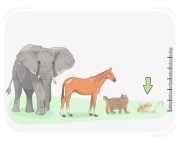
Ex: To avoid getting a cold, it's important to practice good hygiene, such as washing your hands regularly.
Закрыть
Войти
tiny
tiny
[прилагательное]

extremely small

крошечный

крошечный

Ex: The tiny kitten fit comfortably in the palm of her hand .

Крошечный котенок удобно умещался на ладони ее руки.

Закрыть
Войти
germ
germ
[существительное]

a small living organism that causes disease or infection

микроб

микроб

Закрыть
Войти
body
body
[существительное]

our or an animal's hands, legs, head, and every other part together

тело

тело

Ex: The human body has many different organs, such as the heart, lungs, and liver.

У человеческого тела много разных органов, таких как сердце, легкие и печень.

Закрыть
Войти
winter
winter
[существительное]

the season that comes after fall and in most countries winter is the coldest season

зима

зима

Ex: Winter is the time when people celebrate holidays like Christmas and New Year 's .

Зима — это время, когда люди празднуют такие праздники, как Рождество и Новый год.

Закрыть
Войти
anytime
anytime
[наречие]

without restriction to a specific time

в любое время
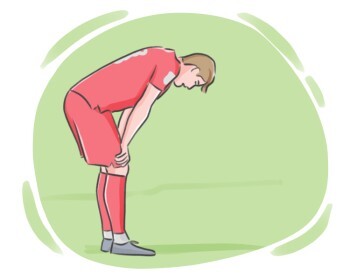
в любое время

Ex: My flight got delayed , so I might arrive anytime this evening .

Мой рейс задержали, поэтому я могу приехать в любое время сегодня вечером.

Закрыть
Войти
tired
tired
[прилагательное]

needing to sleep or rest because of not having any more energy

уставший

уставший

Ex: The toddler was too tired to finish his dinner .

Малыш был слишком усталым, чтобы закончить свой ужин.

Закрыть
Войти
might
might
[глагол]

used to express a possibility

возможно

возможно

Ex: They might offer discounts during the holiday season .

Они могут предложить скидки в праздничный сезон.

Закрыть
Войти
headache
headache
[существительное]

a pain in the head, usually persistent

головная боль
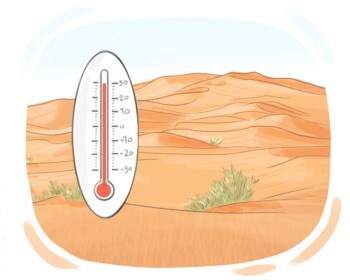
головная боль

Ex: Too much caffeine can sometimes cause a headache.

Слишком много кофеина иногда может вызвать головную боль.

Закрыть
Войти
hot
hot
[прилагательное]

having a higher than normal temperature

горячий
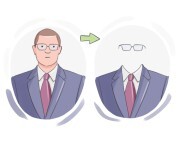
горячий

Ex: The soup was too hot to eat right away .

Суп был слишком горячим, чтобы есть его сразу.

Закрыть
Войти
to go away
to go away
[глагол]

to vanish or cease to exist

исчезать, пропадать

исчезать, пропадать

Ex: The symptoms of the illness can go away with the right treatment .

Симптомы болезни могут исчезнуть при правильном лечении.

Закрыть
Войти
a few
a few
[определитель]

used to indicate a small number of items, people, or things

несколько, немного

несколько, немного

Ex: The teacher asked the students to complete a few exercises for homework .

Учитель попросил учеников выполнить несколько упражнений в качестве домашнего задания.

Закрыть
Войти
without
without
[предлог]

used to indicate that a person or thing does not have something or someone

без
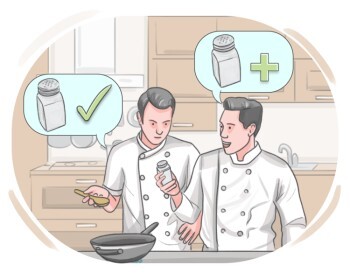
без

Ex: She sang without music .

Она пела без музыки.

Закрыть
Войти
important
important
[прилагательное]

having a lot of value

важный

важный

Ex: The important issue at hand is ensuring the safety of the workers .

Важный вопрос на данный момент - обеспечение безопасности рабочих.

Закрыть
Войти
to rest
to rest
[глагол]

to stop working, moving, or doing an activity for a period of time and sit or lie down to relax

отдыхать

отдыхать

Ex: The cat likes to find a sunny spot to rest and soak up the warmth .

Кошка любит найти солнечное место, чтобы отдохнуть и погреться.

Закрыть
Войти
warm
warm
[прилагательное]

having a temperature that is high but not hot, especially in a way that is pleasant

теплый
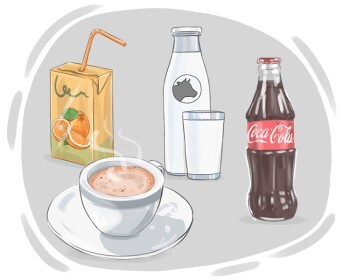
теплый

Ex: They enjoyed a warm summer evening around the campfire .

Они наслаждались тёплым летним вечером у костра.

Закрыть
Войти
drink
drink
[существительное]

any liquid that we can drink

напиток

напиток

Ex: The menu featured a variety of drinks, from cocktails to soft drinks .

В меню были представлены различные напитки, от коктейлей до безалкогольных напитков.

Закрыть
Войти
to help
to help
[глагол]

to make something easier, particularly by improving the situation

помогать,  облегчать
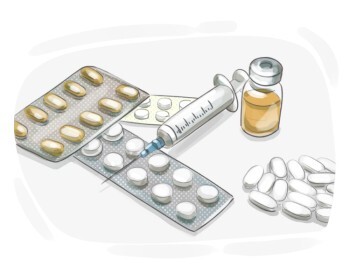
помогать, облегчать

Ex: Drinking water frequently helps with dehydration.

Частое питье воды помогает при обезвоживании.

Закрыть
Войти
medicine
medicine
[существительное]

a substance that treats injuries or illnesses

медицина
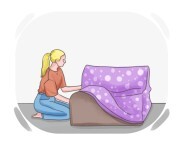
медицина

Ex: The child refused to take the bitter-tasting medicine.

Ребенок отказался принимать горькое лекарство.

Закрыть
Войти
to cover
to cover
[глагол]

to put something over something else in a way that hides or protects it

накрывать, покрывать
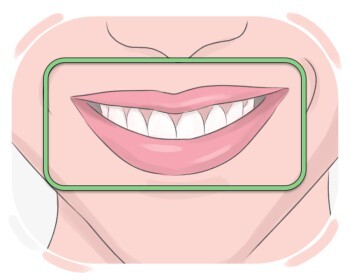
накрывать, покрывать

Ex: The bookshelf was used to cover the hole in the wall until repairs could be made .

Книжная полка использовалась, чтобы закрыть дыру в стене, пока не будут сделаны ремонтные работы.

Закрыть
Войти
mouth
mouth
[существительное]

our body part that we use for eating, speaking, and breathing

рот

рот

Ex: She opened her mouth wide to take a bite of the juicy apple .

Она широко открыла рот, чтобы откусить кусочек сочного яблока.

Закрыть
Войти
tissue
tissue
[существительное]

a piece of soft thin paper that is disposable and is used for cleaning

салфетка
салфетка

Ex: She placed a tissue over the spill to absorb the liquid .

Она положила салфетку на разлитую жидкость, чтобы впитать её.

Закрыть
Войти
to spread
to spread
[глагол]

to extend or increase in influence or effect over a larger area or group of people

распространяться
распространяться

Ex: The use of radios spread to remote areas , allowing people to receive news faster .

Использование радио распространилось в отдаленные районы, позволяя людям получать новости быстрее.

Закрыть
Войти
to wash
to wash
[глагол]

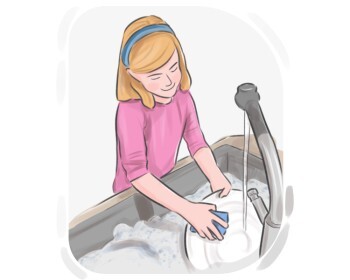
to clean someone or something with water, often with a type of soap

мыть

мыть

Ex: We should wash the vegetables before cooking .

Нам следует мыть овощи перед приготовлением.

Закрыть
Войти
to get
to get
[глагол]

to start to have an idea, impression, or feeling

ощущать
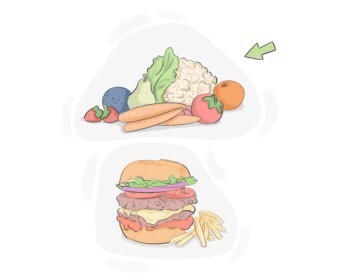
ощущать

Ex: I got a strange feeling when I entered the abandoned building .

У меня появилось странное чувство, когда я вошел в заброшенное здание.

Закрыть
Войти
healthy
healthy
[прилагательное]

making someone feel well or showing good health

полезный
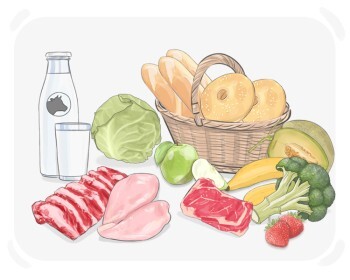
полезный

Ex: This smoothie is both delicious and healthy.

Этот смузи одновременно вкусный и полезный.

Закрыть
Войти
food
food
[существительное]

things that people and animals eat, such as meat or vegetables

пища, еда

пища, еда

Ex: They donated canned food to the local food bank.

Они пожертвовали консервированные продукты в местный продовольственный банк.

Закрыть
Войти
common
common
[прилагательное]

frequently found, happening, or seen

общий, популярный
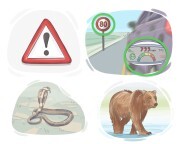
общий, популярный

Ex: It 's common to see tourists in the city during the summer .

Обычно видеть туристов в городе летом.

Закрыть
Войти
dangerous
dangerous
[прилагательное]

capable of destroying or causing harm to a person or thing

опасный
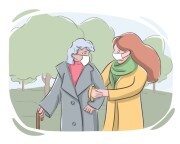
опасный

Ex: The mountain path is slippery and considered dangerous.

Горная тропа скользкая и считается опасной.

Закрыть
Войти
care
care
[существительное]

the act of providing treatment and paying attention to the physical and emotional needs of someone or something

забота

забота

Ex: The hospital provides compassionate care to all patients , ensuring their physical and emotional needs are met .

Больница обеспечивает сострадательный уход за всеми пациентами, гарантируя, что их физические и эмоциональные потребности удовлетворяются.

Закрыть
Войти
to stay
to stay
[глагол]

to continue to be in a particular condition or state

оставаться, пребывать
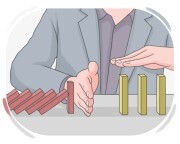
оставаться, пребывать

Ex: The lights will stay on for the entire event to ensure safety.

Свет будет включён на протяжении всего мероприятия для обеспечения безопасности.

Закрыть
Войти
to prevent
to prevent
[глагол]

to not let someone do something

предотвращать
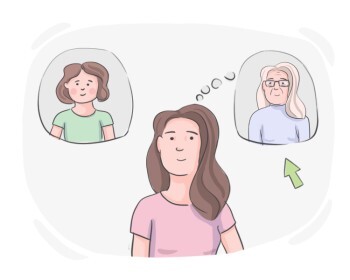
предотвращать

Ex: Right now , the police are taking action to prevent the protest from escalating .

Сейчас полиция принимает меры, чтобы предотвратить эскалацию протеста.

Закрыть
Войти
future
future
[существительное]

the time that will come after the present or the events that will happen then

будущее

будущее

Ex: We must think about the future before making this decision .

Мы должны подумать о будущем, прежде чем принимать это решение.

Закрыть
Войти
Ключевая лексика для распространенных заболеваний
ХолодБоль в горлеБоль в животеЛихорадка
Головная больГрипп
LanGeek
Скачать приложение LanGeek