
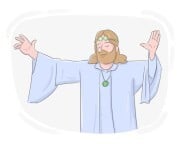

a person believing in a religion that worships many deities, especially one that existed before the major world religions

người ngoại đạo, người theo đa thần giáo
an expression of tribute, praise, or thanksgiving

bài ca tán tụng, lời ca ngợi
a public and often outdoors performance of historical events in which people usually are dressed in elaborate and traditional clothes

buổi biểu diễn lịch sử, tái hiện lịch sử
a revival or renewed interest in learning, arts, or culture

Thời kỳ Phục hưng, Phục hưng văn hóa
to make the inside part of something face outside and the outside part face inside

lộn trái, đảo ngược
to deliberately avoid facing or fulfilling something difficult, unpleasant, or obligatory

lảng tránh, né tránh
done quickly and with minimal effort or care

qua loa, chiếu lệ
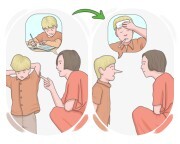
a person who suffers the consequences of others people's wrongdoings

vật tế thần, người gánh tội
to adjust or modify something according to a specific rate, standard, or size

điều chỉnh, chia tỷ lệ
official procedures or rules that are unnecessary and time-consuming

thủ tục rườm rà, giấy tờ phiền phức
having an excessive emotional quality, often in a way that seems overly sentimental or self-pitying

ủy mị, đa cảm
a strong and circular current of water that can draw surrounding objects toward its center

vực xoáy, xoáy nước
an old story that is sometimes considered historical although it is not usually proved to be true

huyền thoại, truyền thuyết
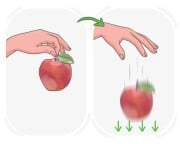
(physics) the universal force of attraction between any pair of objects with mass

trọng lực
| Kỹ Năng Từ Vựng SAT 4 | |||
|---|---|---|---|
| Bài học 41 | Bài học 42 | Bài 43 | Bài học 44 |
| Bài 45 | Bài học 46 | Bài học 47 | Bài học 48 |
| Bài 49 | Bài học 50 | ||