
B2 Level Vocabulary - Disability and Mobility
Learn B2 French vocabulary for disability, accessibility, assistive devices, and mobility difficulties, and discuss needs, barriers, and solutions in everyday life.
Review
Flashcards
Forms
Spelling
Quiz
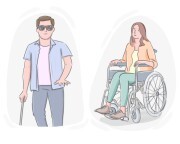
qui a une incapacité physique ou mentale permanente

disabled, infirm
This organization helps disabled people find work.
qui présente une déficience physique ou mentale
disabled, person with disabilities
Disabled children are entitled to adapted schooling.
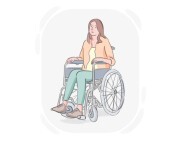
qui a perdu la capacité de bouger une partie du corps
paralyzed, disabled
The patient is paralyzed on the left side after her stroke.
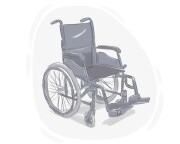
siège équipé de roues pour personnes à mobilité réduite
wheelchair, mobility chair
She has been playing wheelchair basketball for ten years.

mouvement ou contraction musculaire involontaire et répétitif
tic, nervous twitch
Stress worsens his nervous cheek twitch.
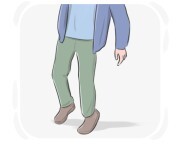
marcher en penchant le corps à chaque pas à cause d'une douleur ou difformité
to limp, to walk with a limp
She has walked with a limp since her skiing accident.
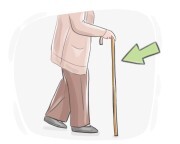
bâton utilisé pour s'appuyer lors de la marche
cane, walking stick
She has a very elegant carved wooden walking stick.

avoir un défaut d'alignement des yeux (strabisme) où les axes visuels ne convergent pas vers le même point
to be cross-eyed, to have a squint
When she's tired, she starts to squint.
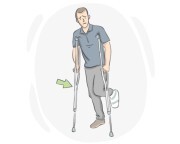
appui utilisé sous le bras pour aider à marcher quand on a une blessure
crutch, walking stick
The crutch helps her walk without putting her foot on the ground.
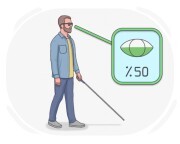
personne dont la vision est partiellement altérée mais non complètement absente
visually impaired person, partially sighted individual
She is partially sighted but can distinguish shapes and lights.
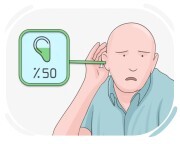
qui entend difficilement mais n'est pas complètement sourd
hard of hearing, hearing-impaired
She is hard of hearing but lip-reads effectively.
