pattern

Klíčová slovní zásoba pro smysly - Slyšení

Revize

Kartičky

tvary

Pravopis

Kvíz

Začněte se učit
Key Vocabulary for Senses
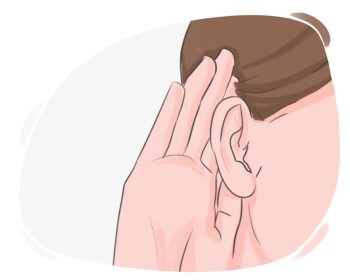
hearing
hearing
[Podstatné jméno]

the ability to hear voices or sounds through the ears

sluch
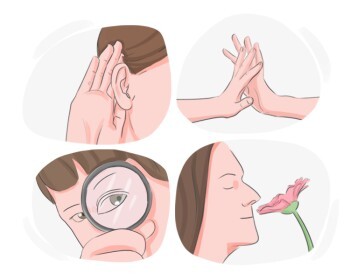
sluch

Ex: The toddler 's hearing was tested to ensure that he could hear properly at different frequencies .

Sluch batolete byl testován, aby se zajistilo, že může správně slyšet při různých frekvencích.

sense
sense
[Podstatné jméno]

any of the five natural abilities of sight, hearing, smell, touch, and taste

smysl, vnímání

smysl, vnímání

Ex: Taste is the sense that allows us to experience flavors and enjoy food .

Smysl je schopnost, která nám umožňuje zažívat chutě a užívat si jídlo.

to help
to help
[sloveso]

to make something easier, particularly by improving the situation

pomáhat,  usnadňovat
pomáhat, usnadňovat

Ex: Drinking water frequently helps with dehydration.

Časté pití vody pomáhá při dehydrataci.

to listen
to listen
[sloveso]

to give our attention to the sound a person or thing is making

poslouchat
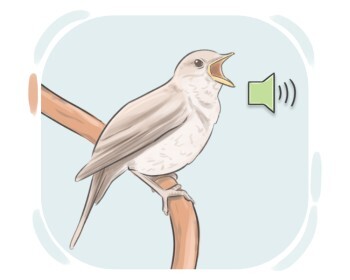
poslouchat

Ex: She likes to listen to classical music while studying .

Ráda poslouchá klasickou hudbu při studiu.

sound
sound
[Podstatné jméno]

anything that we can hear

zvuk, hluk

zvuk, hluk

Ex: The concert hall was filled with the beautiful sound of classical music .

Koncertní sál byl naplněn krásným zvukem klasické hudby.

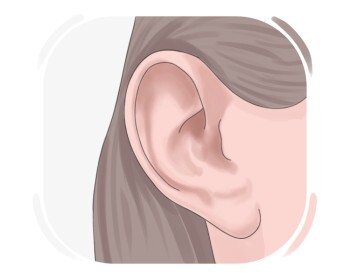
ear
ear
[Podstatné jméno]

each of the two body parts that we use for hearing

ucho
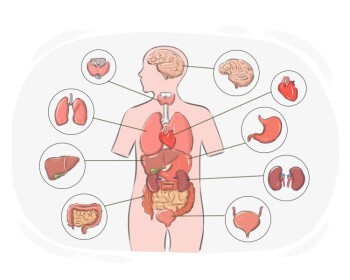
ucho

Ex: The mother gently cleaned her baby 's ears with a cotton swab .

Matka jemně vyčistila uši svého dítěte vatovou tyčinkou.

body part
body part
[Podstatné jméno]

any part of an organism such as an organ or extremity

část těla

část těla

to hear
to hear
[sloveso]

to notice the sound a person or thing is making

slyšet, zaslechnout

slyšet, zaslechnout

Ex: Can you hear the music playing in the background ?

Slyšíš hudbu, která hraje v pozadí?

different
different
[Přídavné jméno]

not like another thing or person in form, quality, nature, etc.

jiný
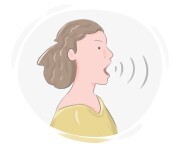
jiný

Ex: The book had a different ending than she expected .

Kniha měla jiný konec, než očekávala.

voice
voice
[Podstatné jméno]

the sounds that a person makes when speaking or singing

hlas, tón

hlas, tón

Ex: His deep voice made him a natural choice for radio broadcasting.

Jeho hluboký hlas z něj učinil přirozenou volbu pro rozhlasové vysílání.

music
music
[Podstatné jméno]

a series of sounds made by instruments or voices, arranged in a way that is pleasant to listen to

hudba
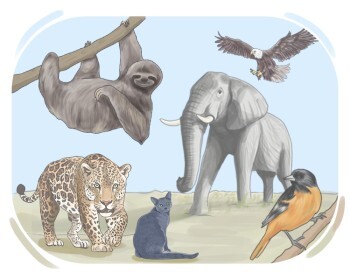
hudba

Ex: Her favorite genre of music is jazz .

Jejím oblíbeným žánrem hudby je jazz.

animal
animal
[Podstatné jméno]

a living thing, like a cat or a dog, that can move and needs food to stay alive, but not a plant or a human

zvíře, stvoření

zvíře, stvoření

Ex: Whales are incredible marine animals that migrate long distances.

Velryby jsou úžasná mořská zvířata, která migrují na velké vzdálenosti.

to speak
to speak
[sloveso]

to use one's voice to express a particular feeling or thought

mluvit, vyjadřovat
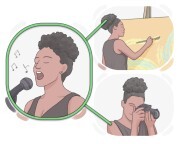
mluvit, vyjadřovat

Ex: I had to speak in a softer tone to convince her .

Musel jsem mluvit jemnějším tónem, abych ji přesvědčil.

also
also
[Příslovce]

used to add another item, fact, or action to what has already been mentioned

také,  navíc

také, navíc

Ex: The movie was entertaining and also thought-provoking .

Film byl zábavný a také podnětný.

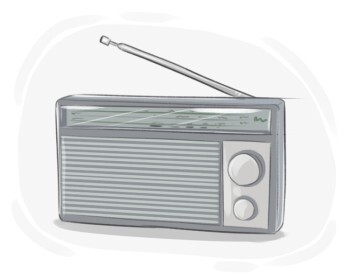
radio
radio
[Podstatné jméno]

a device that is used for listening to programs that are broadcast

rádio, rádiový přijímač

rádio, rádiový přijímač

Ex: We enjoy listening to the radio during our road trips .

Během našich cest rádi posloucháme rádio.

phone
phone
[Podstatné jméno]

an electronic device used to talk to a person who is at a different location

telefon, mobilní telefon
telefon, mobilní telefon

Ex: Before the advent of smartphones , landline phones were more common .

Před příchodem chytrých telefonů byly pevné telefony běžnější.

loud
loud
[Přídavné jméno]

producing a sound or noise with high volume

hlasitý, hlučný

hlasitý, hlučný

Ex: The conductor signaled for the entire ensemble to play with a loud intensity in the fortissimo passage .

Dirigent dal celému souboru znamení, aby hrál s hlasitou intenzitou ve fortissimo pasáži.

to honk
to honk
[sloveso]

to cause a horn, particularly of a vehicle, to make a loud noise

troubit, zatroubit

troubit, zatroubit

Ex: She honks to greet her friend waiting on the sidewalk .

Ona troubí, aby pozdravila svého přítele čekajícího na chodníku.
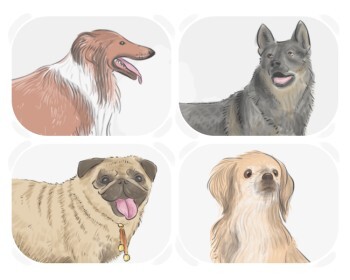
dog
dog
[Podstatné jméno]

an animal with a tail and four legs that we keep as a pet and is famous for its sense of loyalty

pes
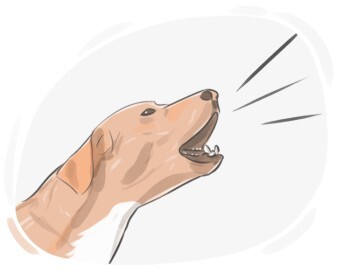
pes

Ex: The playful dog chased its tail in circles .

Hravý pes honil svůj ocas v kruzích.

to bark
to bark
[sloveso]

to make a short, loud sound that is typical of a dog

štěkat, hafat

štěkat, hafat

Ex: Last night , the watchdog barked loudly when it heard a noise .

Včera v noci hlídač pes štěkal hlasitě, když uslyšel hluk.

soft
soft
[Přídavné jméno]

having a low volume

měkký, tichý

měkký, tichý

Ex: The actress delivered her lines with a soft voice that matched the tender scene .

Herečka přednesla své repliky tichým hlasem, který odpovídal něžné scéně.

whisper
whisper
[Podstatné jméno]

a quiet way of speaking without using the vocal cords

šepot, šeptání
šepot, šeptání

Ex: He told the secret in a barely audible whisper.

Prozradil tajemství sotva slyšitelným šeptem.

to enjoy
to enjoy
[sloveso]

to take pleasure or find happiness in something or someone

užívat si, mít rád

užívat si, mít rád

Ex: Despite the rain , they enjoyed the outdoor concert .

Navzdory dešti si užili venkovní koncert.

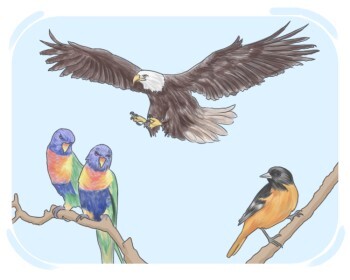
nature
nature
[Podstatné jméno]

everything that exists or happens on the earth, excluding things that humans make or control

příroda, přirozené prostředí
příroda, přirozené prostředí

Ex: The changing seasons offer a variety of experiences and beauty in nature.

Měnící se roční období nabízejí různé zážitky a krásu v přírodě.

bird
bird
[Podstatné jméno]

an animal with a beak, wings, and feathers that is usually capable of flying

pták, pták
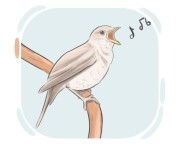
pták, pták

Ex: We enjoyed hearing the bird's melodic song from afar .

Užili jsme si poslech melodického zpěvu ptáka z dálky.

to sing
to sing
[sloveso]

(of birds) to make high-pitched and pleasing sounds

zpívat, štěbetat

zpívat, štěbetat

Ex: As the evening approached , the nightingales sang softly in the fading light .

Jak se večer blížil, slavíci tiše zpívali v blednoucím světle.

wind
wind
[Podstatné jméno]

air that moves quickly or strongly in a current as a result of natural forces

vítr, vánek

vítr, vánek

Ex: They closed the windows to keep out the cold wind.

Zavřeli okna, aby dovnitř nepronikl studený vítr.

to blow
to blow
[sloveso]

(of wind or an air current) to move or be in motion

foukat, vát

foukat, vát

Ex: The wind began to blow strongly , shaking the tree branches .

Vítr začal silně foukat, třásl větvemi stromů.

rain
rain
[Podstatné jméno]

water that falls in small drops from the sky

déšť
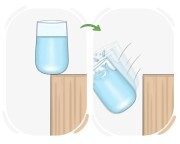
déšť

Ex: The rain washed away the dust and made everything fresh and clean .

Déšť smyl prach a udělal všechno čerstvé a čisté.

to fall
to fall
[sloveso]

to quickly move from a higher place toward the ground

padat,  spadnout
padat, spadnout

Ex: The leaves fall from the trees in autumn .

Listí padá ze stromů na podzim.

important
important
[Přídavné jméno]

having a lot of value

důležitý, rozhodující

důležitý, rozhodující

Ex: The important issue at hand is ensuring the safety of the workers .

Důležitou otázkou je zajištění bezpečnosti pracovníků.

fire alarm
fire alarm
[Podstatné jméno]

a device that gives warning of a fire, by making a loud noise

požární poplach, kouřový detektor

požární poplach, kouřový detektor

Ex: The fire alarm in the school activated , prompting an orderly evacuation drill .

Požární poplach ve škole se spustil, což vyvolalo řádné evakuační cvičení.

to call
to call
[sloveso]

to attract someone's attention by shouting or saying something loudly

zavolat, zakřičet
zavolat, zakřičet

Ex: A passerby called to the child who was wandering too close to the edge of the pond .

Náhodný chodec zavolal na dítě, které se potulovalo příliš blízko okraje rybníka.

to wear
to wear
[sloveso]

to have something such as clothes, shoes, etc. on your body

nosit, oblékat

nosit, oblékat

Ex: She wears a hat to protect herself from the sun during outdoor activities .

Ona nosí klobouk, aby se chránila před sluncem během venkovních aktivit.

headphones
headphones
[Podstatné jméno]

a device that has two pieces that cover the ears and is used to listen to music or sounds without others hearing

sluchátka, náhlavní souprava

sluchátka, náhlavní souprava

Ex: She always wears her headphones while working out at the gym .

Při cvičení v posilovně vždy nosí své sluchátka.
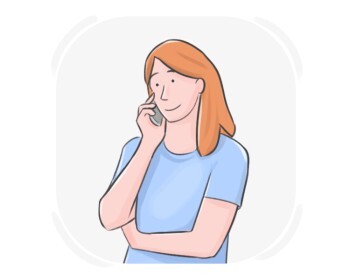
on the phone
on the phone
[fráze]

using the phone

Ex: I was on the phone when you knocked on the door.
speaker
speaker
[Podstatné jméno]

equipment that transforms electrical signals into sound, loud enough for public announcements, playing music, etc.

reproduktor, mluvčí

reproduktor, mluvčí

Ex: High-quality speakers can enhance the listening experience , revealing details in music that cheaper models might miss .

Vysoce kvalitní reproduktory mohou vylepšit poslechový zážitek, odhalují detaily v hudbě, které by levnější modely mohly minout.

to [take] care of {sb/sth}

to look after or manage someone or something, ensuring their needs are met
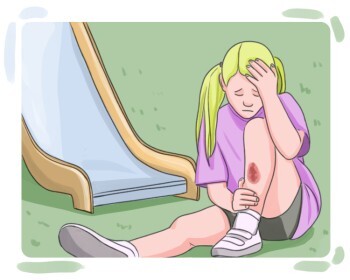
Ex: He promised to take care of the plants while his friend was on vacation.
to hurt
to hurt
[sloveso]

to cause injury or physical pain to yourself or someone else

zranit, způsobit bolest

zranit, způsobit bolest

Ex: She was running and hurt her thigh muscle .

Běhala a poranila si sval na stehně.

to visit
to visit
[sloveso]

to go to a place as part of an official visit, often to inspect, oversee, or evaluate something

navštívit, inspektovat

navštívit, inspektovat

Ex: The CEO visited the branch office to check on its performance and meet the local team .

Generální ředitel navštívil pobočku, aby zkontroloval její výkon a setkal se s místním týmem.

ear doctor
ear doctor
[Podstatné jméno]

a physician who specializes in the ear and its diseases

ušní lékař, otorinolaryngolog

ušní lékař, otorinolaryngolog

to understand
to understand
[sloveso]

to comprehend the significance of or the logic or reason behind something

rozumět, chápat
rozumět, chápat

Ex: When you see the evidence , it 's easy to understand why they reached that conclusion .

Když vidíte důkazy, je snadné pochopit, proč dospěli k tomuto závěru.

to happen
to happen
[sloveso]

to come into existence by chance or as a consequence

stát se, přihodit se

stát se, přihodit se

Ex: If you mix these chemicals , an explosion could happen.

Pokud smícháte tyto chemikálie, mohlo by dojít k výbuchu.

around
around
[předložka]

in every direction surrounding a person or object

kolem, okolo

kolem, okolo

Ex: We built a fence around the garden to keep the rabbits out .

Postavili jsme plot kolem zahrady, abychom udrželi králíky venku.

to stay
to stay
[sloveso]

to continue to be in a particular condition or state

zůstat, setrvat
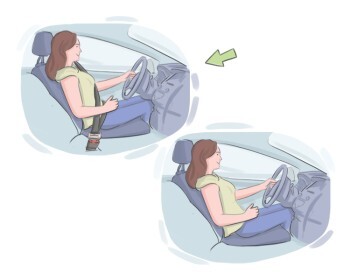
zůstat, setrvat

Ex: The lights will stay on for the entire event to ensure safety.

Světla zůstanou zapnutá po celou dobu akce, aby byla zajištěna bezpečnost.

safe
safe
[Přídavné jméno]

protected from any danger

bezpečný, chráněný

bezpečný, chráněný

Ex: After the storm passed , they felt safe to return to their houses and assess the damage .

Poté, co bouře přešla, cítili se v bezpečí, aby se vrátili do svých domovů a posoudili škody.

Klíčová slovní zásoba pro smysly
ZrakSlyšeníChuťDotyk
Vůně
LanGeek
Stáhnout aplikaci LanGeek