pattern

Kniha Insight - Vyšší středně pokročilý - Jednotka 7 - 7C

Zde najdete slovní zásobu z jednotky 7 - 7C v učebnici Insight Upper-Intermediate, jako je "mladistvý", "generace", "dětinský" atd.

Revize

Kartičky

Pravopis

Kvíz

Začněte se učit
Insight - Upper-intermediate
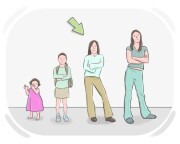
adolescent
adolescent
[Podstatné jméno]

a young person who is in the process of becoming an adult

dospívající, mladý člověk

dospívající, mladý člověk

Ex: Adolescents often experience strong emotions as they grow. 

Dospívající často zažívají silné emoce, když rostou.
independent
independent
[Přídavné jméno]

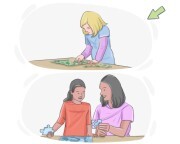
able to do things as one wants without needing help from others

nezávislý

nezávislý

Ex: She's an independent woman, capable of making her own decisions and taking care of herself. 
wise
wise
[Přídavné jméno]

having deep knowledge, experience, and good judgment

moudrý,  rozvážný
moudrý, rozvážný

Ex: She sought guidance from someone older and wiser. 
juvenile
juvenile
[Přídavné jméno]

relating to young people who have not reached adulthood yet

mladistvý

mladistvý

Ex: The juvenile court system focuses on rehabilitation rather than punishment for underage offenders. 

Systém mladistvých soudů se zaměřuje na rehabilitaci spíše než na trestání mladistvých pachatelů.
long in the tooth

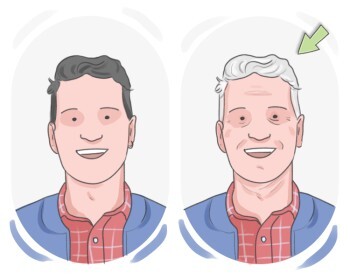
describing an individual who has lived for a very long time and is not able to do certain activities due to old age

starý, zastaralý

starý, zastaralý

Ex: I'm getting a bit long in the tooth to climb mountains. 

Jsem příliš starý na to, abych lezl po horách.

youthful
youthful
[Přídavné jméno]

having the characteristics that are typical of young people

mladistvý, mladý

mladistvý, mladý

Ex: The model's youthful features and slender figure made her a favorite in the fashion industry. 

Mladistvé rysy modelky a její štíhlá postava z ní udělaly oblíbenou v módním průmyslu.

elderly
elderly
[Přídavné jméno]

advanced in age

starší, pokročilého věku

starší, pokročilého věku

Ex: The elderly couple enjoyed taking leisurely walks together in the park. 
infantile
infantile
[Přídavné jméno]

childish in behavior, attitude, or thinking

dětinský, infantilní

dětinský, infantilní

dynamic
dynamic
[Přídavné jméno]

having a lot of energy

energický, dynamický

energický, dynamický

Ex: The dynamic atmosphere at the concert energized the crowd, creating an unforgettable experience. 

Dynamická atmosféra na koncertě nabila dav energií a vytvořila nezapomenutelný zážitek.
supportive
supportive
[Přídavné jméno]

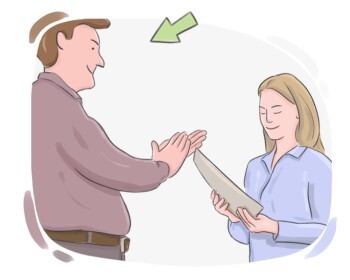
giving encouragement or providing help

podpůrný, povzbuzující

podpůrný, povzbuzující

Ex: The therapy dog provided supportive companionship to patients in the hospital, offering comfort and emotional support. 

Terapeutický pes poskytoval pacientům v nemocnici podpůrnou společnost a nabízel útěchu a emocionální podporu.

experienced
experienced
[Přídavné jméno]

possessing enough skill or knowledge in a certain field or job

zkušený

zkušený

Ex: The experienced traveler knows how to navigate foreign countries and cultures with ease. 

Zkušený cestovatel ví, jak se snadno orientovat v cizích zemích a kulturách.

self-reliant
self-reliant
[Přídavné jméno]

able to take care of oneself without needing help from others

soběstačný, nezávislý

soběstačný, nezávislý

Ex: The self-reliant entrepreneur built her business from the ground up, relying on her own skills and determination to succeed. 

Soběstačný podnikatel postavil svůj podnik od základů, spoléhaje se na své vlastní dovednosti a odhodlání uspět.

vulnerable
vulnerable
[Přídavné jméno]

able to be physically harmed or wounded

zranitelný, bezbranný

zranitelný, bezbranný

Ex: The stray dog, injured and alone, appeared vulnerable on the streets. 

Toulavý pes, zraněný a osamělý, vypadal zranitelný na ulicích.

childish
childish
[Přídavné jméno]

behaving in a way that is immature or typical of a child

dětinský, nezralý

dětinský, nezralý

Ex: The childish prank of hiding someone's belongings may seem harmless, but it can cause frustration and inconvenience. 

Dětský žert schovávání něčího majetku se může zdát neškodný, ale může způsobit frustraci a nepříjemnosti.

[set] in {one's} ways

to refuse to change one's opinions, behaviors, habits, etc.

zaběhlý ve svých zvycích, neochotný se měnit

zaběhlý ve svých zvycích, neochotný se měnit

Ex: He isn't rude; he's just set in his ways and dislikes sudden changes. 

Není nezdvořilý; jen je zaběhlý ve svých zvycích a nemá rád náhlé změny.

foolish
foolish
[Přídavné jméno]

displaying poor judgment or a lack of caution

hloupý, nerozumný

hloupý, nerozumný

Ex: The foolish choice to walk alone at night put him in danger. 

Hloupé rozhodnutí chodit v noci sám ho uvedlo do nebezpečí.
mature
mature
[Přídavné jméno]

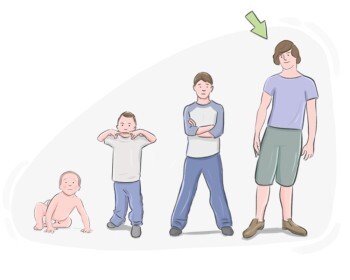
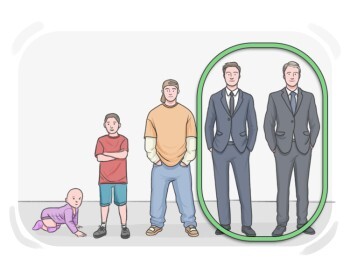
having reached full physical growth or natural development

zralý,  dospělý
zralý, dospělý

Ex: Mature eagles have different plumage from younger birds. 
generation
generation
[Podstatné jméno]

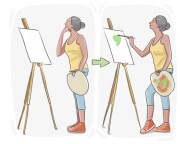
people born and living at approximately the same period of time

generace, generace
generace, generace

Ex: The older generation often reminisces about life before smartphones became ubiquitous. 
to get up to
to get up to
[sloveso]

to be involved in an activity, often something surprising or unpleasant

pustit se do, zaplést se do něčeho

pustit se do, zaplést se do něčeho

Ex: She got up to a lot of fun while traveling abroad. 

Během cestování do zahraničí se zabývala spoustou zábavy.
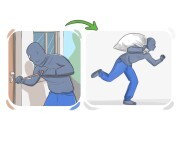
to get away with

to escape punishment for one's wrong actions

uniknout trestu za špatné jednání, udělat něco špatného a nebýt za to potrestán

uniknout trestu za špatné jednání, udělat něco špatného a nebýt za to potrestán

Ex: He tried to cheat on the test, but he didn’t get away with it because the teacher caught him. 

Snažil se při testu podvádět, ale neuspěl vyváznout bez trestu, protože ho učitel chytil.

to [go] on (and on|) about {sb/sth}

to keep talking about a certain subject in length, particularly in a way that bores others

Mluvit pořád dokola, Mlít pořád dál

Mluvit pořád dokola, Mlít pořád dál

Ex: He went on and on about his new car. 

Pořád dokola mluvil o svém novém autě.

to [leave] {sb/sth} alone

to not interfere with or bother someone or something, and to allow them to be as they are

Ex: The teacher went on and on about the importance of punctuality. 
to give in
to give in
[sloveso]

to surrender to someone's demands, wishes, or desires, often after a period of resistance

ustoupit něčím požadavkům, po odporu nakonec ustoupit

ustoupit něčím požadavkům, po odporu nakonec ustoupit

Ex: He wanted to save money, but he gave in to the temptation and bought the expensive gadget. 

Chtěl ušetřit peníze, ale podlehl pokušení a koupil drahý přístroj.

out of touch
out of touch
[fráze]

not having recent information regarding a certain thing, particularly an event

mimo dění, nemít přehled

mimo dění, nemít přehled

Ex: After leaving the industry, she became out of touch with its daily realities. 

Poté, co z oboru odešla, ztratila kontakt s jeho každodenní realitou.

to [stand] on {one's} own (two|) feet

to be able to take care of oneself without needing any assistance from others

postavit se na vlastní nohy, být soběstačný

postavit se na vlastní nohy, být soběstačný

Ex: Once you get a steady job, you'll be able to stand on your own feet. 

Jakmile získáš stálou práci, budeš stát na vlastních nohou.

to live off
to live off
[sloveso]

to financially survive by depending on someone or something else

být finančně závislý na někom nebo něčem, hradit životní náklady z jiného zdroje

být finančně závislý na někom nebo něčem, hradit životní náklady z jiného zdroje

Ex: He lives off the royalties from his successful book series. 

Žije z autorských honorářů ze své úspěšné knižní série.

over the hill

considered old and no longer at one's best

za zenitem, přes kopec

za zenitem, přes kopec

Ex: Don't act like you're over the hill just because you had a bad day. 

Nechovej se, jako bys byl za zenitem, jen protože jsi měl špatný den.

LanGeek
Stáhnout aplikaci LanGeek