pattern

本 Insight - 中上級 - ユニット7 - 7C

ここでは、Insight Upper-Intermediateコースブックのユニット7 - 7Cからの語彙を見つけることができます。例えば、「juvenile」、「generation」、「infantile」などです。

レビュー

フラッシュカード

綴り

クイズ

学習を開始
Insight - Upper-intermediate
adolescent
adolescent
[名詞]

a young person who is in the process of becoming an adult

青年, 若者

青年, 若者

Ex: The adolescent struggled to fit in with their peers. 

思春期の若者は仲間と馴染むのに苦労した。

independent
independent
[形容詞]

able to do things as one wants without needing help from others

独立した
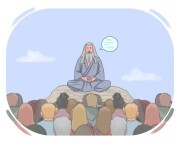
独立した

Ex: The independent artist pursued her passion without seeking validation from others. 
wise
wise
[形容詞]

having deep knowledge, experience, and good judgment

賢い,  英知に富む
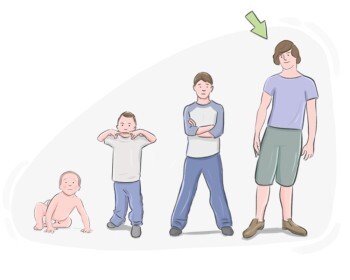
賢い, 英知に富む

Ex: People often went to the wise old woman for advice. 
juvenile
juvenile
[形容詞]

relating to young people who have not reached adulthood yet

少年

少年

Ex: The juvenile detention center houses young offenders under the age of 18. 

少年拘置所は18歳未満の若い犯罪者を収容しています。

long in the tooth

describing an individual who has lived for a very long time and is not able to do certain activities due to old age

年をとりすぎている, 老けた

年をとりすぎている, 老けた

Ex: I may be long in the tooth, but I'm not stupid. 

年を取っているかもしれないが、馬鹿ではない。

youthful
youthful
[形容詞]

having the characteristics that are typical of young people

若々しい, 青春の

若々しい, 青春の

Ex: Despite her age, she had a youthful appearance, with smooth skin and a radiant smile. 

彼女の年齢にもかかわらず、滑らかな肌と輝く笑顔で、若々しい外見をしていた。

elderly
elderly
[形容詞]

advanced in age

高齢の, 年配の

高齢の, 年配の

Ex: The elderly woman shared stories from her youth, reminiscing about times gone by. 
infantile
infantile
[形容詞]

childish in behavior, attitude, or thinking

幼稚な, 子供っぽい

幼稚な, 子供っぽい

dynamic
dynamic
[形容詞]

having a lot of energy

エネルギッシュな, ダイナミックな

エネルギッシュな, ダイナミックな

Ex: With his dynamic personality, he brings enthusiasm and energy to every situation. 

彼のダイナミックな性格で、あらゆる状況に熱意とエネルギーをもたらします。

supportive
supportive
[形容詞]

giving encouragement or providing help

支援的な, 励みになる

支援的な, 励みになる

Ex: Her family was incredibly supportive during her recovery from surgery, providing assistance and encouragement every step of the way. 

手術からの回復中、彼女の家族は信じられないほど支援的で、すべての段階で援助と励ましを提供しました。

experienced
experienced
[形容詞]

possessing enough skill or knowledge in a certain field or job

経験豊富な

経験豊富な

Ex: She is an experienced teacher with over twenty years of classroom experience. 

彼女は20年以上の教室経験を持つ経験豊富な教師です。

self-reliant
self-reliant
[形容詞]

able to take care of oneself without needing help from others

自立した, 独立した

自立した, 独立した

Ex: Growing up in a rural area, she learned to be self-reliant from a young age, able to handle any task that came her way. 

田舎で育った彼女は、幼い頃から自立していることを学び、どんな仕事にも対応できるようになりました。

vulnerable
vulnerable
[形容詞]

able to be physically harmed or wounded

傷つきやすい, 無防備な

傷つきやすい, 無防備な

Ex: The baby birds in the nest were vulnerable to predators until they learned to fly. 

巣の中のひな鳥は、飛ぶことを覚えるまで捕食者に対して脆弱でした。

childish
childish
[形容詞]

behaving in a way that is immature or typical of a child

子供っぽい, 幼稚な

子供っぽい, 幼稚な

Ex: Instead of resolving their issues maturely, they resorted to childish name-calling and insults. 

彼らは問題を成熟した方法で解決する代わりに、子供っぽい悪口や侮辱に頼りました。

[set] in {one's} ways

to refuse to change one's opinions, behaviors, habits, etc.

自分のやり方に固執している, 変わろうとしない

自分のやり方に固執している, 変わろうとしない

Ex: My grandfather is set in his ways and refuses to use a smartphone. 

祖父は自分のやり方に固執していて、スマホを使おうとしない。

foolish
foolish
[形容詞]

displaying poor judgment or a lack of caution

愚かな, 軽率な

愚かな, 軽率な

Ex: It was a foolish gamble to invest all his money in one stock. 

すべてのお金を一つの株に投資するのは愚かな賭けだった。

mature
mature
[形容詞]

having reached full physical growth or natural development
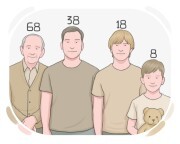
Ex: The forest contains hundreds of mature oak trees. 
generation
generation
[名詞]

people born and living at approximately the same period of time

世代, 世代
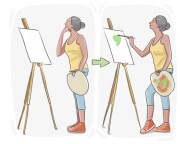
世代, 世代

Ex: The study compared the spending habits of different generations, from Baby Boomers to Generation Z. 
to get up to
to get up to
[動詞]

to be involved in an activity, often something surprising or unpleasant

何かをやらかす, 何かに手を出す

何かをやらかす, 何かに手を出す

Ex: We used to get up to all sorts of mischief as children. 

子供の頃、私たちはあらゆる種類のいたずらをしでかしたものです。

to get away with

to escape punishment for one's wrong actions

悪いことをしても罰を免れる, 悪事をしても処罰されない

悪いことをしても罰を免れる, 悪事をしても処罰されない

Ex: Some white-collar criminals try to get away with embezzling money from their companies. 

一部のホワイトカラー犯罪者は、会社から金を横領して罰を逃れようとします。

to [go] on (and on|) about {sb/sth}

to keep talking about a certain subject in length, particularly in a way that bores others

延々と話す, 長々と話す

延々と話す, 長々と話す

Ex: My uncle can go on for hours about old movies. 

叔父は古い映画について何時間でも話せる。

to [leave] {sb/sth} alone

to not interfere with or bother someone or something, and to allow them to be as they are

Ex: He tends to go on and on about his accomplishments, which can be tiring. 
to give in
to give in
[動詞]

to surrender to someone's demands, wishes, or desires, often after a period of resistance

相手の要求に屈する, 抵抗した末に折れる

相手の要求に屈する, 抵抗した末に折れる

Ex: The child kept asking for a pet, and eventually, the parents gave in and got a puppy. 

子供はペットを欲しがり続け、結局、両親は折れて子犬を飼うことにした。

out of touch

not having recent information regarding a certain thing, particularly an event

事情に疎い, 最新情報についていけていない

事情に疎い, 最新情報についていけていない

Ex: I felt out of touch after being away for two weeks. 

二週間離れていたら、すっかり状況についていけなくなった気がした。

to [stand] on {one's} own (two|) feet

to be able to take care of oneself without needing any assistance from others

自立する, 自分でやっていく

自立する, 自分でやっていく

Ex: After college, he finally learned to stand on his own feet. 

大学を出て、彼はようやく自立することを覚えた。

to live off
to live off
[動詞]

to financially survive by depending on someone or something else

人や物に経済的に頼って暮らす, 別の資金源で生活する

人や物に経済的に頼って暮らす, 別の資金源で生活する

Ex: The unemployed man is currently living off his savings until he finds a new job. 

失業中の男性は、新しい仕事を見つけるまで現在貯金で生計を立てています。

over the hill

considered old and no longer at one's best

盛りを過ぎた, 終わった

盛りを過ぎた, 終わった

Ex: He's been complaining about being over the hill since he turned fifty. 

彼は50歳になってから、もう盛りを過ぎたと愚痴っている。

LanGeek
LanGeekアプリをダウンロード