
Slovní zásoba pro IELTS General (Skóre 8-9) - Názory
Zde se naučíte některá anglická slova související s názory, která jsou nezbytná pro zkoušku IELTS General Training.
Revize
Kartičky
tvary
Pravopis
Kvíz

to give or have opinions that differ from those officially or commonly accepted

nesouhlasit, mít odlišný názor
Studenti jsou povzbuzováni k tomu, aby nesouhlasili s respektem a zapojili se do konstruktivní debaty ve třídě.
(of views, opinions, etc.) to be different from each other
rozcházet se, lišit se
Panel odborníků očekával, že jejich závěry se budou lišit kvůli odlišným výzkumným metodologiím.
to show one's disagreement or disapproval of an online post or comment by clicking on a specific icon
hlasovat proti, downvotovat
Neváhejte downvotovat příspěvky, které považujete za nevhodné nebo škodlivé, abyste odradili podobné chování v budoucnu.
to strongly argue, disapprove, or disagree with someone or something
pokárat, ostře protestovat
Včera jsem vyslovil nesouhlas se svým kolegou kvůli jeho neprofesionálnímu chování.
to disagree or deny that something is true
odporovat, popírat
Svědecká výpověď přímo vyvrátila obviněného alibi, což vzbudilo pochybnosti o jeho nevinnosti.
to express disapproval of something by making a noise in the throat
zabrblat, odkašlávat
Kdykoli se u rodinného stolu objevilo téma politiky, strýc Bob nevyhnutelně zabručel a změnil téma.
to argue over unimportant things or to complain about them
přít se o nepodstatné věci, stěžovat si na maličkosti
Místo toho, aby poskytl konstruktivní zpětnou vazbu, jen hádal o každém aspektu prezentace.
to not support and be against something or someone
odsuzovat, neschvalovat
Vedoucí představitelé komunity odsoudili nárůst nenávistných projevů a diskriminace a místo toho vyzvali k jednotě a toleranci.

to disapprove of or have a negative opinion about something, particularly due to being improper or unacceptable
neschvalovat, dívat se s nelibostí
V profesionálním prostředí je zásadní neschvalovat diskriminační chování.
to dismiss or reject something as false
odmítnout, popřít
Vláda odmítla tvrzení opoziční strany a tvrdila, že jsou politicky motivovaná.
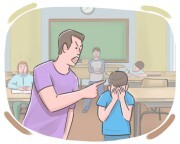
to strongly and harshly criticize someone or something
pokárat, přísně kritizovat
Káral své zaměstnance za to, že nesplnili standardy společnosti.
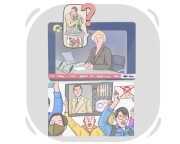
to intentionally make harmful statements to damage a person or thing's worth or reputation
hanět, pomlouvat
Místo toho, aby nabídl konstruktivní kritiku, rozhodl se kritik hanobit umělce, zpochybňovat jeho talent a integritu.
to behave in a way that lowers the dignity or respect of oneself or others
ponižovat, zesměšňovat
Jeho zvyk snižovat své kolegy během schůzek nedělá nic jiného, než že ho snižuje v očích celého týmu.

to complain or criticize persistently, often about trivial issues
stěžovat si, neustále kritizovat
Jane v minulosti vždy remcala nad drobnými chybami svých kolegů.

to express dissatisfaction or injustice about something
stěžovat si, reptat
Navzdory výbornému jídlu začal zákazník reptat na služby v restauraci.
to find fault or criticize small, insignificant details
hledat chyby v maličkostech, kritizovat drobné detaily
Navzdory jejich úspěchu byli kritici rychlí v hledání chyb v nové technologii.

to complain or whine persistently and often about trivial matters
stěžovat si, reptat
Je neproduktivní stěžovat si, aniž byste nabídli řešení problémů.
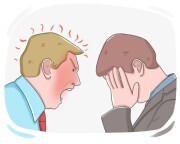
to criticize someone angrily and harshly
plísnit, kárát
Učitel pokáral studenty za jejich rušivé chování ve třídě.

to express mild disapproval, often in a gentle or corrective manner
pokárat, okřiknout
Učitel pokáral studenta za hlasité mluvení během zkoušky.
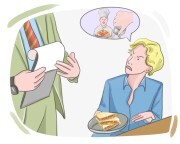
to strongly and angrily criticize or complain about something
ostře kritizovat, hořce si stěžovat
Navzdory zlepšením zákazník nadále ostře kritizoval kvalitu služby.
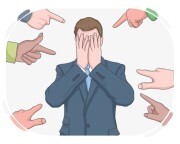
to give a strong, negative review or opinion about something
ztrhat, ostře kritizovat
Filmový kritik zničil nový film, citoval špatné herecké výkony a slabý příběh.
to severely criticize, often with the intention of correcting someone's behavior or actions
pokárat, plísnit
Vedoucí musel pokárat členy týmu za nedodržování bezpečnostních protokolů na pracovišti.
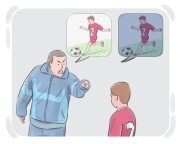
to criticize someone for doing or saying something that one believes to be wrong
pokárat, kárlit
Trenér pokáral hráče za jejich nedostatek odhodlání během tréninku.
to identify or point out flaws, errors, or shortcomings in someone or something
to show one's agreement or approval of an online post or comment by clicking on a specific icon
hlasovat pro, schválit
Nezapomeňte ohodnotit příspěvky, které považujete za užitečné nebo bystré, abyste ocenili vynaložené úsilí.

to agree to something such as a request, proposal, demand, etc.
přistoupit, souhlasit
Po pečlivém zvážení výbor vyhověl žádosti profesora o další financování výzkumu.
to reluctantly accept something without protest
souhlasit neochotně, podrobit se
Představenstvo neochotně souhlasilo s rozhodnutím generálního ředitele, ačkoli někteří členové nesouhlasili.
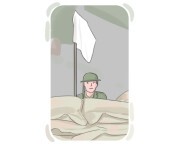
to surrender after negotiation or when facing overwhelming pressure
kapitulovat, vzdát se
Království odmítlo kapitulovat navzdory rostoucím ztrátám.
to agree and not oppose to something that one generally finds unacceptable or unpleasant
tolerovat, schválit
Je důležité ne tolerovat chování, které je v rozporu s vašimi zásadami nebo hodnotami, i když pochází od blízkého přítele.
to accept something, usually after some resistance
ustoupit, povolit
Učitel ustoupil a prodloužil termín pro úkol poté, co zvážil žádosti studentů.
to agree to something, such as a suggestion, request, etc.
souhlasit, přisvědčit
Správní rada souhlasila s úpravami rozpočtu.
to go against an argument or statement
odporovat, jít proti
Důkazy jasně odporují výpovědi obžalovaného.

to form an idea or concept in the mind by combining existing ideas or information
konceptualizovat, utvářet koncept
Autoři často tráví čas konceptualizací zápletky a postav před napsáním románu.
