pattern

Face2Face - Pokročilý - Jednotka 4 - 4B

Zde najdete slovní zásobu z jednotky 4 - 4B v učebnici Face2Face Advanced, jako je "růst", "zlepšení", "osada" atd.

Revize

Kartičky

Pravopis

Kvíz
Začněte se učit
Face2Face - Advanced
homo sapiens
homo sapiens
[Podstatné jméno]

the species of human beings, characterized by advanced cognitive abilities and the capacity for language, abstract thought, and culture

Homo sapiens, lidský druh

Homo sapiens, lidský druh

Ex: Some researchers argue that homo sapiens may have interbred with Neanderthals. 

Někteří výzkumníci tvrdí, že homo sapiens se mohl křížit s neandertálci.
human beings
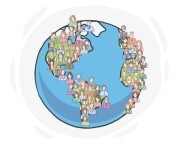
human beings
[Podstatné jméno]

individuals of the human race

lidé, jedinci lidské rasy

lidé, jedinci lidské rasy

Ex: As human beings, we share a common need for food, shelter, and security. 

Jako lidé sdílíme společnou potřebu jídla, přístřeší a bezpečnosti.

man
man
[Podstatné jméno]

all of the living human inhabitants of the earth; humanity or humankind

lidstvo, lidský rod

lidstvo, lidský rod

Ex: Man has always sought to explore the unknown. 
settlement
settlement
[Podstatné jméno]

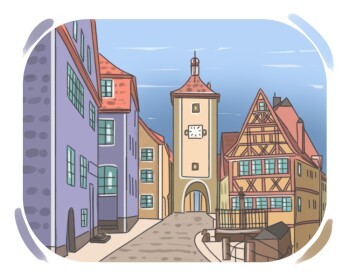
an area where a group of families or people live together, often in a newly established community

osada, kolonie
osada, kolonie

Ex: The settlement grew rapidly as more families moved in. 
village
village
[Podstatné jméno]

a very small town located in the countryside

vesnice, obec

vesnice, obec

Ex: The quaint village nestled amidst rolling hills attracted tourists seeking a peaceful retreat. 
improvement
improvement
[Podstatné jméno]

the action or process of making something better

zlepšení, pokrok

zlepšení, pokrok

Ex: The city has seen significant improvement in air quality over the past year. 
development
development
[Podstatné jméno]

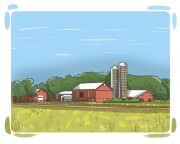
a process or state in which something becomes more advanced, stronger, etc.

vývoj
vývoj

Ex: The development of new technologies has transformed modern life. 
rural
rural
[Přídavné jméno]

related to or characteristic of the countryside

venkovský, rustikální

venkovský, rustikální

Ex: The rural economy is closely tied to activities such as farming, fishing, and forestry. 

Venkovské hospodářství úzce souvisí s činnostmi, jako je zemědělství, rybolov a lesnictví.

inhabitant
inhabitant
[Podstatné jméno]

a person or animal that lives in a particular place

obyvatel

obyvatel

Ex: The cave provides shelter for many small inhabitants. 
countryfolk
countryfolk
[Podstatné jméno]

people who live in the countryside, especially those with a simple, traditional lifestyle

venkované, vesničané

venkované, vesničané

Ex: Countryfolk often have a deep respect for nature and animals. 

Venkované mají často hluboký respekt k přírodě a zvířatům.

villager
villager
[Podstatné jméno]

a person who lives in a village, especially a small rural settlement

vesničan, obyvatel vesnice

vesničan, obyvatel vesnice

Ex: Villagers often help each other during difficult times. 

Vesničané si často navzájem pomáhají v těžkých dobách.

rise
rise
[Podstatné jméno]

an increase in something's number, amount, size, power, or value

nárůst, zvýšení

nárůst, zvýšení

Ex: The company reported a significant rise in profits this quarter. 
increase
increase
[Podstatné jméno]

a rise in something's amount, degree, size, etc.

zvýšení, nárůst
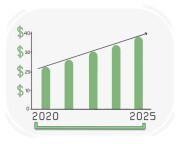
zvýšení, nárůst

Ex: The company reported an increase in sales this quarter. 
growth
growth
[Podstatné jméno]

an increase in the amount, degree, importance, or size of something

růst, expanze

růst, expanze

Ex: The growth of the economy has been impressive this year. 
urban
urban
[Přídavné jméno]

describing the physical setting, culture, or lifestyle typically found in cities

městský, urbanistický

městský, urbanistický

Ex: They moved to an urban area to be closer to their workplace and amenities. 

Přestěhovali se do městské oblasti, aby byli blíže svému pracovišti a vybavení.

passer-by
passer-by
[Podstatné jméno]

someone who happens to be walking past a particular person, place, or event

chodce, pěší

chodce, pěší

Ex: He asked a passer-by for directions to the nearest train station. 

Zeptal se náhodného chodce na cestu k nejbližšímu vlakovému nádraží.

to gaze
to gaze
[sloveso]

to look at someone or something without blinking or moving the eyes

zírat, hledět
zírat, hledět

Ex: She gazed out of the window, lost in thought as the rain fell softly outside. 
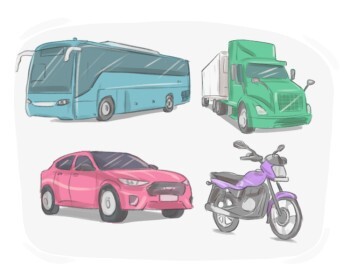
vehicle
vehicle
[Podstatné jméno]

a means of transportation used to carry people or goods from one place to another, typically on roads or tracks

vozidlo, auto

vozidlo, auto

Ex: That vehicle is parked in the wrong spot. 
to [come] to a standstill

to reach a point where all movement, progress, or activity stops entirely

Ex: Despite their efforts, the project came to a standstill due to budget constraints. 
exasperating
exasperating
[Přídavné jméno]

causing intense frustration or irritation due to repeated annoyance or difficulty

iritující, otravný

iritující, otravný

Ex: The lack of communication and coordination among team members was an exasperating issue that hindered progress. 

Nedostatek komunikace a koordinace mezi členy týmu byl iritující problém, který bránil pokroku.
suddenly
suddenly
[Příslovce]

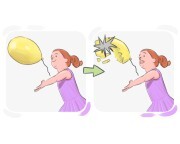
in a way that is quick and unexpected

náhle, zčistajasna

náhle, zčistajasna

Ex: She appeared suddenly at the doorstep, surprising her friends. 

Objevila se náhle na prahu a překvapila své přátele.

to allow
to allow
[sloveso]

to let someone or something do a particular thing

dovolit, povolit

dovolit, povolit

Ex: She allowed her children to play in the park. 
LanGeek
Stáhnout aplikaci LanGeek
