pattern

Face2Face - Pokročilý - Jednotka 8 - 8B

Zde najdete slovní zásobu z jednotky 8 - 8B v učebnici Face2Face Advanced, jako "narušení", "přežití", "selhání" atd.

Revize

Kartičky

tvary

Pravopis

Kvíz

Začněte se učit
Face2Face - Advanced
to disturb
to disturb
[sloveso]

to make someone feel worried, upset, or uneasy

znepokojit, rušit

znepokojit, rušit

Ex: The news clearly disturbed everyone in the room. 
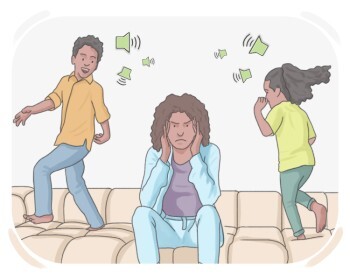
disturbance
disturbance
[Podstatné jméno]

something that interrupts, disrupts, or alters the normal condition or functioning of something

narušení, porucha
narušení, porucha

Ex: Even a minor disturbance can affect the operation of sensitive equipment. 
to recover
to recover
[sloveso]

to regain complete health after a period of sickness or injury

uzdravit se, zotavit se

uzdravit se, zotavit se

Ex: After a week of rest, she started to recover from the flu. 
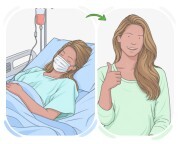
recovery
recovery
[Podstatné jméno]

the gradual process of healing or regaining strength after illness, injury, or exertion

zotavení, rekonvalescence
zotavení, rekonvalescence

Ex: He required several weeks of recovery after the operation. 
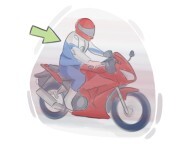
to ride
to ride
[sloveso]

to sit on open-spaced vehicles like motorcycles or bicycles and be in control of their movements

jet, řídit
jet, řídit

Ex: She rides her bike to work every day. 
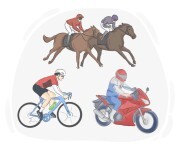
rider
rider
[Podstatné jméno]

a person who rides a bicycle, motorcycle, horse, or other animal

cyklista,  jezdec
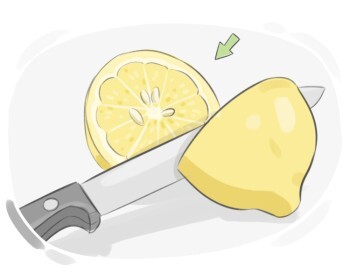
cyklista, jezdec

Ex: The riders followed the narrow trail through the mountains. 
to divide
to divide
[sloveso]

to separate people or things into two or more groups, parts, etc.

dělit, oddělit

dělit, oddělit

Ex: The teacher divides the class into small groups for a collaborative project. 
division
division
[Podstatné jméno]

disagreement among members of a group or society

rozdělení, nesouhlas
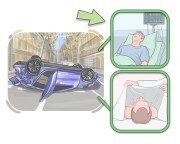
rozdělení, nesouhlas

Ex: Political division within the country has grown over recent years. 
to survive
to survive
[sloveso]

to remain alive after enduring a specific hazardous or critical event

přežít, udržet se naživu

přežít, udržet se naživu

Ex: After the plane crash, the survivors had to find shelter and food while waiting for rescue, managing to survive against all odds. 
survival
survival
[Podstatné jméno]

the state in which a person manages to stay alive or strong despite dangers or difficulties

přežití, udržení se naživu

přežití, udržení se naživu

Ex: The survival of the crew depended on their ability to find fresh water. 
to excite
to excite
[sloveso]

to make a person feel interested or happy, particularly about something that will happen soon

vzrušit, nadchnout

vzrušit, nadchnout

Ex: The sight of snowflakes falling excited residents, heralding the arrival of winter. 

Pohled na padající sněhové vločky vzrušil obyvatele a ohlašoval příchod zimy.

excitement
excitement
[Podstatné jméno]

a strong feeling of enthusiasm, eagerness, or emotional stimulation

Ex: The team's victory caused great excitement among the fans. 
to fail
to fail
[sloveso]

to be unsuccessful in accomplishing something

selhat, neuspět
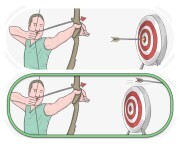
selhat, neuspět

Ex: Despite their best efforts, the plan failed. 
failure
failure
[Podstatné jméno]

the absence of success in achieving a goal

neúspěch, selhání

neúspěch, selhání

Ex: The failure to reach an agreement disappointed both sides. 
happy
happy
[Přídavné jméno]

emotionally feeling good or glad

šťastný,spokojený, feeling good or glad

šťastný,spokojený, feeling good or glad

Ex: He was happy when he got the job he had been hoping for. 
happiness
happiness
[Podstatné jméno]

the feeling or state of being happy

štěstí
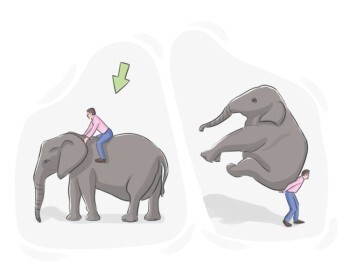
štěstí

Ex: Their new home has brought them a sense of happiness and security. 
possible
possible
[Přídavné jméno]

able to exist, happen, or be done

možný, uskutečnitelný

možný, uskutečnitelný

Ex: To achieve the best possible result, we need to work together. 

Abychom dosáhli nejlepšího možného výsledku, musíme spolupracovat.

possibility
possibility
[Podstatné jméno]

a potential likelihood of something happening or being true

možnost

možnost

Ex: The police are investigating the possibility of human error. 
coward
coward
[Podstatné jméno]

a person who is not brave to do things that other people find unchallenging

zbabělec, strašpytel

zbabělec, strašpytel

Ex: His reputation suffered when he was branded a coward after backing down from a confrontation. 

Jeho pověst utrpěla, když byl označen za zbabělce poté, co ustoupil z konfrontace.
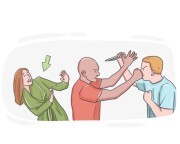
cowardly
cowardly
[Přídavné jméno]

lacking courage, typically avoiding difficult or dangerous situations

zbabělý, bojácný

zbabělý, bojácný

Ex: She felt ashamed of her cowardly refusal to speak out. 

Cítila se zahanbená svým zbabělým odmítnutím promluvit.

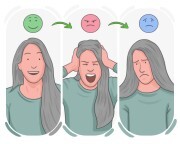
mood
mood
[Podstatné jméno]

the emotional state that a person experiences

nálada, emocionální stav
nálada, emocionální stav

Ex: His happy mood was contagious, lifting everyone's spirits. 
moody
moody
[Přídavné jméno]

experiencing frequent changes in mood, often without apparent reason or explanation

náladový, vrtošivý

náladový, vrtošivý

Ex: The moody artist channeled their emotions into their work, creating pieces that reflected their inner turmoil. 

Náladový umělec nasměroval své emoce do své práce a vytvořil díla, která odrážela jeho vnitřní neklid.

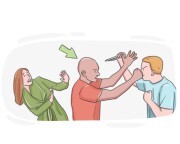
courage
courage
[Podstatné jméno]

the ability to face danger, difficulty, or fear without giving up

odvaha,  statečnost
odvaha, statečnost

Ex: Standing up to his friends required more courage than he expected. 
courageous
courageous
[Přídavné jméno]

expressing no fear when faced with danger or difficulty

odvážný, statečný

odvážný, statečný

Ex: The rescue dog demonstrated a courageous effort in saving lives during the disaster response mission. 

Záchranný pes prokázal odvážné úsilí při záchraně životů během mise reakce na katastrofu.

culture
culture
[Podstatné jméno]

the general beliefs, customs, and lifestyles of a specific society

kultura

kultura

Ex: In Japanese culture, it's customary to bow when greeting someone. 
cultural
cultural
[Přídavné jméno]

involving a society's customs, traditions, beliefs, and other related matters

kulturní

kulturní

Ex: The anthropologist studied the cultural practices of the indigenous tribe living in the remote region. 

Antropolog studoval kulturní praktiky domorodého kmene žijícího v odlehlé oblasti.
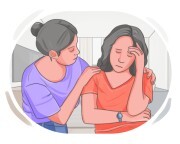
sympathy
sympathy
[Podstatné jméno]

a feeling of care, concern, and understanding for someone who is suffering or experiencing difficulties

soucit,  sympatie
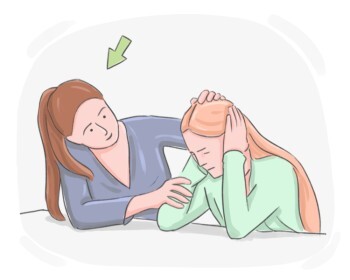
soucit, sympatie

Ex: The injured player received sympathy from fans around the country. 
sympathetic
sympathetic
[Přídavné jméno]

showing care and understanding toward other people, especially when they are not feeling good

soucitný, sympatický

soucitný, sympatický

Ex: The therapist provided a sympathetic environment for her clients to share their emotions. 

Terapeut poskytl soucitné prostředí, ve kterém její klienti mohli sdílet své emoce.

talent
talent
[Podstatné jméno]

a natural ability to do something well

talent,  nadání

talent, nadání

Ex: She has a remarkable talent for making people feel comfortable. 
talented
talented
[Přídavné jméno]

possessing a natural skill or ability for something

talentovaný, nadaný

talentovaný, nadaný

Ex: The company is looking for talented engineers to join their team. 

Společnost hledá talentované inženýry, kteří se připojí k jejich týmu.
recent
recent
[Přídavné jméno]

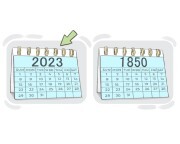
having happened, started, or been done only a short time ago

nedávný, nový

nedávný, nový

Ex: He is worried about his recent health problems. 
recently
recently
[Příslovce]

at or during a time that is not long ago

nedávno, v poslední době

nedávno, v poslední době

Ex: Recently, she adopted a healthier lifestyle to improve her well-being. 

Nedávno přijala zdravější životní styl, aby zlepšila své blaho.

confident
confident
[Přídavné jméno]

having a strong belief in one's abilities or qualities

sebevědomý,  jistý

sebevědomý, jistý

Ex: The teacher was confident about her students' progress. 

Učitel byl přesvědčen o pokroku svých studentů.
confidently
confidently
[Příslovce]

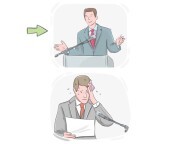
in a manner that shows strong belief in one's own skills or qualities

sebevědomě, s jistotou

sebevědomě, s jistotou

Ex: I confidently answered the question, knowing I was correct. 

Na otázku jsem odpověděl sebevědomě, protože jsem věděl, že mám pravdu.
final
final
[Přídavné jméno]

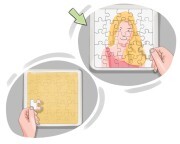
last in a sequence or process

konečný, poslední

konečný, poslední

Ex: The final chapter of the book revealed the long-awaited twist in the plot. 
finally
finally
[Příslovce]

after a long time, usually when there has been some difficulty

konečně, nakonec

konečně, nakonec

Ex: They waited anxiously for their turn, and finally, their names were called. 

Úzkostlivě čekali na svou řadu a, konečně, byla vyvolána jejich jména.
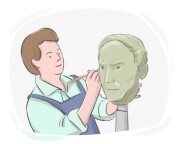
to create
to create
[sloveso]

to bring something into existence or make something happen

vytvořit, založit

vytvořit, založit

Ex: Many entrepreneurs aspire to create successful businesses. 
creative
creative
[Přídavné jméno]

using imagination and original ideas to create or develop something

kreativní,  tvůrčí

kreativní, tvůrčí

Ex: Writing stories gives children a chance to be creative. 
to depend
to depend
[sloveso]

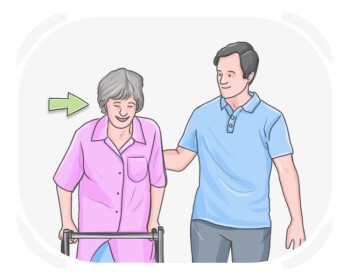
to be based on or related with different things that are possible

záviset, být založen na
záviset, být založen na

Ex: The success of the project depends heavily on effective communication among team members. 
dependent
dependent
[Přídavné jméno]

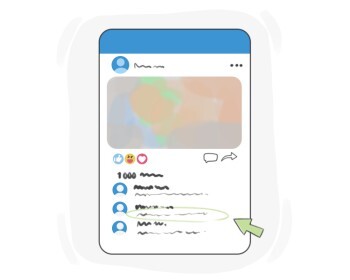
unable to survive, succeed, or stay healthy without someone or something

závislý, podřízený
závislý, podřízený

Ex: The success of the project was highly dependent on the team's ability to collaborate effectively. 
to remark
to remark
[sloveso]

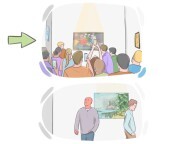
to express one's opinion through a statement

poznamenat, komentovat
poznamenat, komentovat

Ex: After tasting the dish, she couldn't help but remark on the chef's exceptional culinary skills. 
remarkable
remarkable
[Přídavné jméno]

worth noticing, especially because of being unusual or extraordinary

pozoruhodný, mimořádný

pozoruhodný, mimořádný

Ex: The remarkable precision of the machine's engineering amazed engineers. 

Pozoruhodná přesnost strojního inženýrství ohromila inženýry.

rationale
rationale
[Podstatné jméno]

the justification or reasoning behind a decision or argument

odůvodnění, zdůvodnění

odůvodnění, zdůvodnění

Ex: Understanding the rationale behind a judicial ruling is crucial for interpreting its implications and guiding future legal arguments. 

Pochopení odůvodnění soudního rozhodnutí je klíčové pro interpretaci jeho důsledků a vedení budoucích právních argumentů.
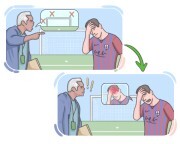
to rationalize

to create reasonable explanations for behaviors, decisions, or actions, especially when they may not truly represent the real motives

racionalizovat

racionalizovat

Ex: Rather than admitting a lack of motivation, he tried to rationalize his avoidance of exercise by pointing to a busy schedule. 

Místo přiznání nedostatku motivace se pokusil racionalizovat své vyhýbání se cvičení poukazováním na nabitý rozvrh.
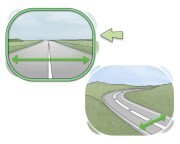
wide
wide
[Přídavné jméno]

having a large length from side to side

široký, rozlehlý
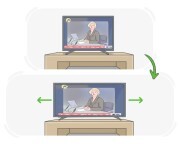
široký, rozlehlý

Ex: The river was over 30 feet wide at its widest point, making it a challenge to cross without a bridge. 
to widen
to widen
[sloveso]

to become greater in width or distance from side to side

rozšiřovat se,  šířit se

rozšiřovat se, šířit se

Ex: The path gradually widens near the entrance to the park. 
clear
clear
[Přídavné jméno]

easy to understand

jasný, srozumitelný

jasný, srozumitelný

Ex: His instructions were clear, allowing everyone to follow them without confusion. 
to clarify
to clarify
[sloveso]

to make something clearer or easier to understand by explaining or providing more information

vyjasnit,  objasnit

vyjasnit, objasnit

Ex: Emma had already clarified the instructions before the meeting began. 
LanGeek
Stáhnout aplikaci LanGeek