pattern

Cambridge IELTS 18 - Academic - Test 1 - Čtení - Úryvek 2 (2)

Učte se slovní zásobu z druhé části Cambridge IELTS 18 Academic, Test 1 Reading Passage 2, s užitečnými slovy a výrazy z textu.

Revize

Kartičky

tvary

Pravopis

Kvíz

Začněte se učit
Cambridge IELTS 18 - Academic
primary
primary
[Přídavné jméno]

having the most importance or influence

primární, hlavní

primární, hlavní

Ex: The primary goal of the project is to improve access to clean drinking water. 
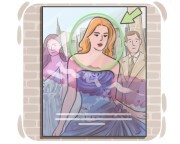
foliage
foliage
[Podstatné jméno]

a plant or tree's branches and leaves collectively

listí, vegetace

listí, vegetace

Ex: In autumn, the foliage of the trees turns brilliant shades of red and orange. 

Na podzim se listí stromů mění na zářivé odstíny červené a oranžové.

crown
crown
[Podstatné jméno]

the top part of a tree or other plant

koruna, vrchol

koruna, vrchol

Ex: The bird built its nest in the crown of the tall oak tree, safe from predators. 
coverage
coverage
[Podstatné jméno]

the extent or degree to which something is provided, included, dealt with, or reaches a particular area

pokrytí,  rozsah
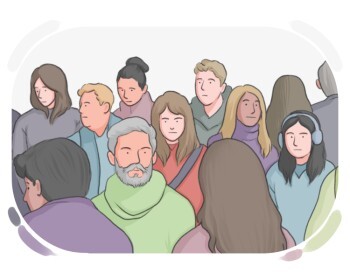
pokrytí, rozsah

Ex: The survey has nationwide coverage. 
to regenerate
to regenerate
[sloveso]

to grow or be made again

regenerovat, obnovit se

regenerovat, obnovit se

crowded
crowded
[Přídavné jméno]

(of a space) filled with things or people

přeplněný, nacpaný

přeplněný, nacpaný

Ex: The crowded bus was late due to heavy traffic. 

Přeplněný autobus měl zpoždění kvůli hustému provozu.

to tailor
to tailor
[sloveso]

to customize or modify something to fit an individual or market's specific preferences

přizpůsobit, personalizovat

přizpůsobit, personalizovat

Ex: She decided to tailor the dress to match her unique style and preferences. 

Rozhodla se upravit šaty, aby odpovídaly jejímu jedinečnému stylu a preferencím.
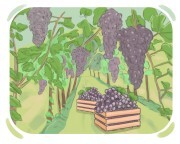
to yield
to yield
[sloveso]

(of a farm or an industry) to grow or produce a crop or product

produkovat, dávat

produkovat, dávat

Ex: The apple orchard typically yields a bountiful harvest each year. 
pest
pest
[Podstatné jméno]

an insect or small animal that destroys or damages crops, food, etc.

škůdce, škodlivý hmyz

škůdce, škodlivý hmyz

Ex: Farmers use natural predators to reduce the number of pests. 

Farmáři používají přirozené predátory ke snížení počtu škůdců.

pathogen
pathogen
[Podstatné jméno]

any organism that can cause diseases

patogen, původce nemoci

patogen, původce nemoci

Ex: The pathogen responsible for malaria is transmitted to humans through the bite of an infected mosquito. 

Patogen zodpovědný za malárii je přenášen na člověka kousnutím infikovaného komára.

to ease
to ease
[sloveso]

to reduce the severity or seriousness of something unpleasant

ulevit, zmírnit

ulevit, zmírnit

Ex: She took medication to ease the pain in her back after a long day of physical work. 
procedure
procedure
[Podstatné jméno]

a particular set of actions conducted in a certain way

procedura, metoda

procedura, metoda

Ex: The technician followed a detailed procedure to calibrate the equipment accurately. 
to seek
to seek
[sloveso]

to make an effort to achieve or obtain something

hledat, usilovat

hledat, usilovat

Ex: She sought to improve her skills by practicing every day. 
spread
spread
[Podstatné jméno]

a haphazard distribution in all directions

rozptyl, náhodné rozložení

rozptyl, náhodné rozložení

Ex: The accident resulted in a scattered spread of broken glass. 
vigorous
vigorous
[Přídavné jméno]

having strength and good mental or physical health

energický, silný

energický, silný

Ex: The vigorous athlete completed the marathon with determination and stamina. 

Energický atlet dokončil maraton s odhodláním a vytrvalostí.
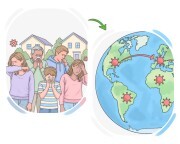
outbreak
outbreak
[Podstatné jméno]

the unexpected start of something terrible, such as a disease

vypuknutí, epidemie

vypuknutí, epidemie

Ex: The sudden outbreak of the flu caused widespread panic in the city. 
mature
mature
[Přídavné jméno]

having reached full physical growth or natural development

zralý,  dospělý
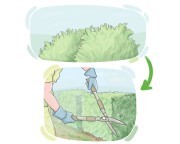
zralý, dospělý

Ex: Mature eagles have different plumage from younger birds. 
to thin
to thin
[sloveso]

to reduce the density of something

zředit, ztenčit
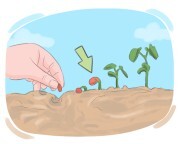
zředit, ztenčit

Ex: The hairdresser thinned her client's hair to remove excess bulk. 
seedling
seedling
[Podstatné jméno]

a young plant that develops from a seed, typically in the early stages of growth after germination

sazenice, klíček

sazenice, klíček

Ex: Gardeners monitor the growth of seedlings to ensure they are ready for outdoor conditions. 

Zahradníci sledují růst sazenice, aby zajistili, že jsou připraveny na venkovní podmínky.

to establish
to establish
[sloveso]

to make something stable, secure, or permanent in a specific place or position

založit, ustanovit

založit, ustanovit

Ex: The explorers established a camp near the river. 
forester
forester
[Podstatné jméno]

a specialist in managing, conserving, and cultivating forests and their resources

lesník

lesník

Ex: The landowner consulted a forester about restoring native tree species. 
to leave
to leave
[sloveso]

to cause something to remain as a result

nechat, způsobit

nechat, způsobit

Ex: The accident left him unable to work. 
young
young
[Přídavné jméno]

in the initial phase of existence or development

mladý, začínající

mladý, začínající

Ex: The organization is still young and developing quickly. 
point
point
[Podstatné jméno]

a precise or identifiable position within a continuum, sequence, or process

bod, fáze

bod, fáze

Ex: We reached a critical point in the negotiations where compromise was necessary. 
two-tier
two-tier
[Přídavné jméno]

(of systems, structures, or arrangements) divided into two distinct parts or groups

dvouúrovňový, binární

dvouúrovňový, binární

Ex: The two-tier system allowed students to choose between a basic and advanced course. 

Dvouúrovňový systém umožňoval studentům volit mezi základním a pokročilým kurzem.

harvest
harvest
[Podstatné jméno]

the time of year when ripe crops are gathered

sklizeň

sklizeň

Ex: Long working days are common during harvest. 
to come in
to come in
[sloveso]

to arrive at a certain stage or point in a process

přijít, postupovat

přijít, postupovat

Ex: The rainfall is expected to come in later tonight. 

Očekává se, že déšť přijde později večer.

to spread out
to spread out
[sloveso]

to distribute something among different time periods or individuals

rozložit, rozprostřít

rozložit, rozprostřít

Ex: Rather than eating a large meal at once, nutritionists recommend spreading out your food intake throughout the day for better digestion. 

Místo toho, abyste jedli velké jídlo najednou, odborníci na výživu doporučují rozložit příjem potravy během dne pro lepší trávení.

thinning
thinning
[Podstatné jméno]

the act of diluting something

ředění, zřeďování

ředění, zřeďování

deadwood
deadwood
[Podstatné jméno]

a branch or a part of a tree that is dead

mrtvé dřevo, mrtvá větev

mrtvé dřevo, mrtvá větev

removal
removal
[Podstatné jméno]

the act or process of taking someone or something away from a place, position, or situation

odstranění,  odebrání

odstranění, odebrání

Ex: Residents demanded the removal of the abandoned vehicles. 
to center on
to center on
[sloveso]

to have someone or something as the main subject, concern, or focus

soustředit se na, točit se kolem

soustředit se na, točit se kolem

Ex: Questions are now centering on the company's leadership. 
retention
retention
[Podstatné jméno]

the act of keeping something that one already has

zadržení, udržení

zadržení, udržení

to classify
to classify
[sloveso]

to arrange people or things into groups according to shared characteristics or qualities

Ex: Daniel found it difficult to classify the unusual plant. 
nutrient
nutrient
[Podstatné jméno]

a chemical element or inorganic compound that green plants absorb and incorporate into their organic molecules to support growth and metabolism

živina, výživná látka

živina, výživná látka

Ex: Mycorrhizal associations boost nutrient absorption by expanding the root network's access to otherwise immobile ions such as iron. 

Mykorhizní asociace zvyšují příjem živin rozšiřováním přístupu kořenové sítě k jinak nepohyblivým iontům, jako je železo.

to cycle
to cycle
[sloveso]

to go through a complete series of events or stages in a cyclical or repetitive manner

cyklovat, projít cyklem
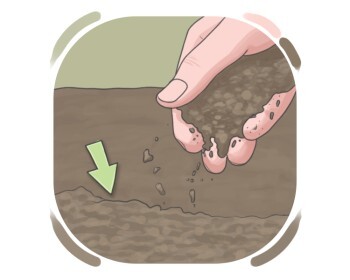
cyklovat, projít cyklem

Ex: The system cycles through several operating modes. 
soil
soil
[Podstatné jméno]

the black or brownish substance consisted of organic remains, rock particles, and clay that forms the upper layer of earth where trees or other plants grow

půda, země

půda, země

Ex: The gardeners enriched the soil with compost to improve plant growth. 
cavity
cavity
[Podstatné jméno]

a natural empty space or hollow area inside the body

dutina, prohlubeň

dutina, prohlubeň

Ex: Air passes through the nasal cavity when breathing. 

Vzduch prochází nosní dutinou při dýchání.
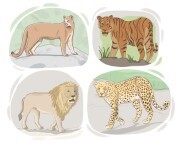
predator
predator
[Podstatné jméno]

an animal that hunts, kills, and eats other animals
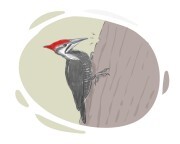
Ex: A small fish may become prey for a larger marine predator. 
woodpecker
woodpecker
[Podstatné jméno]

a bird with a drill-like beak that makes holes in trees in search of insects to feed on

datel, pták
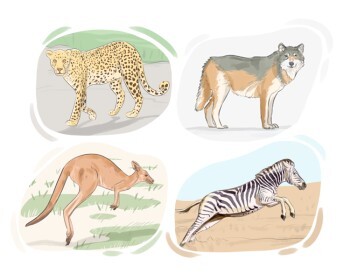
datel, pták

mammal
mammal
[Podstatné jméno]

a warm-blooded vertebrate animal whose females produce milk to feed their young and that typically has hair or fur

savec,  savci

savec, savci

Ex: The researchers recorded several mammal species in the forest. 
resilience
resilience
[Podstatné jméno]

the ability to recover from difficult situations

odolnost

odolnost

Ex: After losing her job, Sarah showed remarkable resilience by quickly finding a new position and adapting to her new workplace. 

Po ztrátě práce prokázala Sarah pozoruhodnou odolnost tím, že rychle našla nové místo a přizpůsobila se novému pracovišti.

hawthorn
hawthorn
[Podstatné jméno]

a shrub or small tree of the family of rose with small red fruits

hloh, trnka
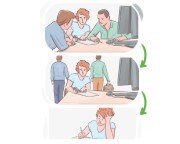
hloh, trnka

to stay behind

to remain in a location while others depart

zůstat pozadu, zůstat na místě

zůstat pozadu, zůstat na místě

Ex: The dedicated volunteer stayed behind at the shelter to help with feeding and caring for the animals after visiting hours ended. 

Oddaný dobrovolník zůstal v útulku, aby pomohl s krmením a péčí o zvířata po skončení návštěvních hodin.

structural
structural
[Přídavné jméno]

relating to or concerned with the morphology of plants and animals

strukturální, morfologický

strukturální, morfologický

diversity
diversity
[Podstatné jméno]

the state of including or containing many different types, characteristics, or elements

Ex: The survey revealed a wide diversity of opinions among employees. 
reference
reference
[Podstatné jméno]

a mention or citation of something, often to provide context or support for an idea

odkaz, citace

odkaz, citace

Ex: The article included several references to previous studies on the topic. 
aspect
aspect
[Podstatné jméno]

a defining or distinctive feature of something

aspekt, charakteristika

aspekt, charakteristika

Ex: One important aspect of the project is meeting the deadline. 
to contribute
to contribute
[sloveso]

to be one of the causes or reasons that helps something happen

přispět, napomáhat

přispět, napomáhat

Ex: Many factors contribute to the rise in housing prices. 
worth
worth
[Podstatné jméno]

the assigned or estimated value of something, without necessarily specifying a particular quantity or amount

hodnota

hodnota

Ex: The painting was appraised at a considerable worth due to its historical significance. 
to mention
to mention
[sloveso]

to say something about someone or something, without giving much detail

zmínit, uvést

zmínit, uvést

Ex: During the meeting, please mention any concerns or suggestions you may have. 
potential
potential
[Přídavné jméno]

having the possibility to develop or be developed into something particular in the future

potenciální, možný

potenciální, možný

Ex: She saw potential issues with the project and addressed them early on. 
to run
to run
[sloveso]

to cause engines or machines to operate, function, or perform their designated tasks

spustit, provozovat
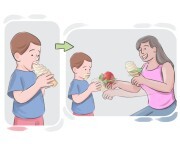
spustit, provozovat

Ex: She ran the dishwasher after dinner. 
alternative
alternative
[Přídavné jméno]

available as an option for something else

alternativní, náhradní

alternativní, náhradní

Ex: They provided an alternative plan in case the weather turned bad. 
to generate
to generate
[sloveso]

to cause or give rise to something

generovat, vytvářet

generovat, vytvářet

Ex: The artist's provocative work generated controversy and debate, challenging societal norms and perceptions. 
across
across
[předložka]

during a period of time

přes, během

přes, během

Ex: His thoughts were relevant across the course of history. 

Jeho myšlenky byly relevantní v průběhu historie.

range
range
[Podstatné jméno]

a variety of things that are different but are of the same general type

rozsah,  škála
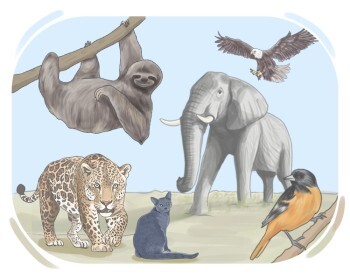
rozsah, škála

Ex: The store offers a wide range of electronics, from smartphones to laptops. 
creature
creature
[Podstatné jméno]

any living thing that is able to move on its own, such as an animal, fish, etc.

stvoření, živá bytost

stvoření, živá bytost

Ex: The forest was teeming with creatures of all shapes and sizes, from tiny insects to large mammals. 
to name
to name
[sloveso]

to specify or list something by giving its name

pojmenovat, jmenovat

pojmenovat, jmenovat

Ex: The chef named the ingredients for the recipe: flour, sugar, eggs, and vanilla extract. 
nota bene
nota bene
[Podstatné jméno]

a Latin phrase (or its abbreviation) used to indicate that special attention should be paid to something

nota bene, všimněte si

nota bene, všimněte si

LanGeek
Stáhnout aplikaci LanGeek