pattern

Cambridge IELTS 18 - Académico - Prueba 1 - Lectura - Pasaje 2 (2)

Aprende vocabulario de la segunda parte de Cambridge IELTS 18 Academic, Test 1 Reading Passage 2, con palabras y expresiones útiles del texto.

Revisión

Tarjetas de memoria

formas

Ortografía

Cuestionario
Empezar a aprender
Cambridge IELTS 18 - Academic
primary
primary
[Adjetivo]

having the most importance or influence

primario

primario

Ex: Her primary responsibility as a teacher is to nurture and educate her students. 
foliage
foliage
[Sustantivo]

a plant or tree's branches and leaves collectively

follaje

follaje

Ex: She admired the intricate patterns of the foliage in the forest. 

Ella admiraba los intrincados patrones del follaje en el bosque.

crown
crown
[Sustantivo]

the top part of a tree or other plant

copa

copa

Ex: From the ground, they could see the crown of the palm tree swaying gently in the breeze. 
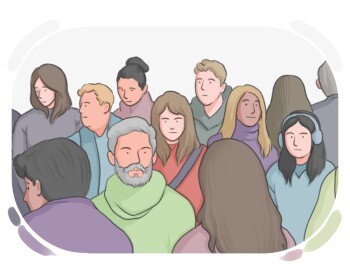
coverage
coverage
[Sustantivo]

the extent or degree to which something is provided, included, dealt with, or reaches a particular area

cobertura,  cobertura
cobertura, cobertura

Ex: The vaccine achieved high coverage among older adults. 
to regenerate

to grow or be made again

regenerar, regenerarse

regenerar, regenerarse

crowded
crowded
[Adjetivo]

(of a space) filled with things or people

atestado

atestado

Ex: She felt claustrophobic in the crowded elevator. 

Se sintió claustrofóbica en el ascensor abarrotado.

to tailor
to tailor
[Verbo]

to customize or modify something to fit an individual or market's specific preferences

adaptar, personalizar

adaptar, personalizar

Ex: As a personal touch, the chef can tailor the menu for special dietary requirements. 

Como un toque personal, el chef puede adaptar el menú para requisitos dietéticos especiales.
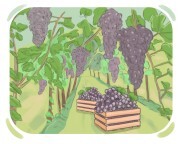
to yield
to yield
[Verbo]

(of a farm or an industry) to grow or produce a crop or product

producir

producir

Ex: The fertile soil in this region yields abundant crops of wheat and corn. 
pest
pest
[Sustantivo]

an insect or small animal that destroys or damages crops, food, etc.

peste, plaga

peste, plaga

Ex: Birds can sometimes act as a pest by eating seeds. 

Las aves a veces pueden actuar como una plaga al comer semillas.

pathogen
pathogen
[Sustantivo]

any organism that can cause diseases

agente patógeno

agente patógeno

Ex: The researchers identified a new viral pathogen that was causing the outbreak of respiratory illness in the community. 

Los investigadores identificaron un nuevo patógeno viral que estaba causando el brote de enfermedad respiratoria en la comunidad.

to ease
to ease
[Verbo]

to reduce the severity or seriousness of something unpleasant

aliviar, calmar

aliviar, calmar

Ex: He tried to ease tensions between the two rival factions by facilitating peace talks. 
procedure
procedure
[Sustantivo]

a particular set of actions conducted in a certain way

procedimiento

procedimiento

Ex: He learned the procedure for conducting the financial audit according to company guidelines. 
to seek
to seek
[Verbo]

to make an effort to achieve or obtain something

buscar, pretender

buscar, pretender

Ex: They sought to solve the problem by brainstorming solutions. 
spread
spread
[Sustantivo]

a haphazard distribution in all directions

dispersión, distribución al azar

dispersión, distribución al azar

Ex: The wind caused a random spread of leaves. 
vigorous
vigorous
[Adjetivo]

having strength and good mental or physical health

vigoroso

vigoroso

Ex: The vigorous student approached each assignment with enthusiasm and energy. 

El estudiante vigoroso abordaba cada tarea con entusiasmo y energía.
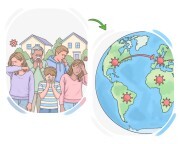
outbreak
outbreak
[Sustantivo]

the unexpected start of something terrible, such as a disease

brote

brote

Ex: Health officials were concerned about the outbreak of measles in the neighborhood. 
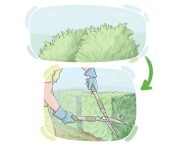
mature
mature
[Adjetivo]

having reached full physical growth or natural development

maduro, adulto
maduro, adulto

Ex: The biologist compared young insects with mature specimens. 
to thin
to thin
[Verbo]

to reduce the density of something

adelgazar, clarear
adelgazar, clarear

Ex: The forest ranger thinned the trees in the forest to reduce the risk of wildfires and promote biodiversity. 
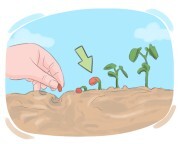
seedling
seedling
[Sustantivo]

a young plant that develops from a seed, typically in the early stages of growth after germination

plántula, brote

plántula, brote

Ex: The forest regeneration project involves planting thousands of tree seedlings each year. 

El proyecto de regeneración forestal implica plantar miles de plántulas cada año.

to establish

to make something stable, secure, or permanent in a specific place or position

establecer, instalar

establecer, instalar

Ex: They established the new clinic as a trusted healthcare provider in the area. 
forester
forester
[Sustantivo]

a specialist in managing, conserving, and cultivating forests and their resources

forestal

forestal

Ex: The forester prepared a long-term conservation plan for the property. 
to leave
to leave
[Verbo]

to cause something to remain as a result

dejar, hacer permanecer

dejar, hacer permanecer

Ex: The muddy shoes left tracks on the freshly cleaned carpet. 
young
young
[Adjetivo]

in the initial phase of existence or development

joven, incipiente

joven, incipiente

Ex: The scientist presented research on the young solar system and its formation. 
point
point
[Sustantivo]

a precise or identifiable position within a continuum, sequence, or process

punto, etapa

punto, etapa

Ex: She paused at the midpoint of her speech to emphasize a key point. 
two-tier
two-tier
[Adjetivo]

(of systems, structures, or arrangements) divided into two distinct parts or groups

de dos niveles, binario

de dos niveles, binario

Ex: The hotel offers two-tier service: standard and premium. 

El hotel ofrece un servicio de dos niveles: estándar y premium.

harvest
harvest
[Sustantivo]

the time of year when ripe crops are gathered

cosecha

cosecha

Ex: Families traditionally worked together at harvest. 
to come in
to come in
[Verbo]

to arrive at a certain stage or point in a process

llegar, avanzar

llegar, avanzar

Ex: The results of the experiment have started to come in, and they look promising. 

Los resultados del experimento han empezado a llegar, y parecen prometedores.

to spread out

to distribute something among different time periods or individuals

distribuir, repartir

distribuir, repartir

Ex: In order to manage expenses, the couple decided to spread out their vacation budget over the course of several months. 

Para gestionar los gastos, la pareja decidió distribuir su presupuesto de vacaciones a lo largo de varios meses.

thinning
thinning
[Sustantivo]

the act of diluting something

dilución, adelgazamiento

dilución, adelgazamiento

deadwood
deadwood
[Sustantivo]

a branch or a part of a tree that is dead

madera muerta, rama muerta

madera muerta, rama muerta

removal
removal
[Sustantivo]

the act or process of taking someone or something away from a place, position, or situation

eliminación,  retirada

eliminación, retirada

Ex: Stain removal is easier if you treat the fabric quickly. 
to center on

to have someone or something as the main subject, concern, or focus

centrarse en, girar en torno a

centrarse en, girar en torno a

Ex: The investigation has centered on two financial accounts. 
retention
retention
[Sustantivo]

the act of keeping something that one already has

retención

retención

to classify

to arrange people or things into groups according to shared characteristics or qualities

clasificar

clasificar

Ex: Emma classified the survey responses by age and location. 
nutrient
nutrient
[Sustantivo]

a chemical element or inorganic compound that green plants absorb and incorporate into their organic molecules to support growth and metabolism

nutriente, sustancia nutritiva

nutriente, sustancia nutritiva

Ex: After soil analysis indicated low phosphorus availability, the farmer applied a phosphate-rich nutrient amendment before planting corn. 

Después de que el análisis del suelo indicó una baja disponibilidad de fósforo, el agricultor aplicó una enmienda rica en nutrientes fosfatados antes de plantar maíz.

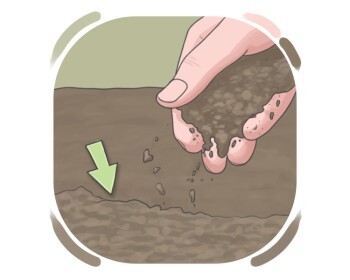
to cycle
to cycle
[Verbo]

to go through a complete series of events or stages in a cyclical or repetitive manner

ciclar, pasar por un ciclo
ciclar, pasar por un ciclo

Ex: The weather patterns cycle through different seasons, bringing variations in temperature, precipitation, and climate conditions. 
soil
soil
[Sustantivo]

the black or brownish substance consisted of organic remains, rock particles, and clay that forms the upper layer of earth where trees or other plants grow

tierra

tierra

Ex: Heavy rains can cause the soil to erode, affecting crop yields. 
cavity
cavity
[Sustantivo]

a natural empty space or hollow area inside the body

cavidad, hueco

cavidad, hueco

Ex: Sound echoes in the vocal cavity. 

El sonido resuena en la cavidad vocal.
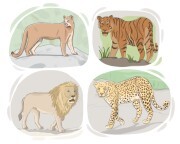
predator
predator
[Sustantivo]

an animal that hunts, kills, and eats other animals

depredador
depredador

Ex: The eagle is a powerful predator with extremely sharp eyesight. 
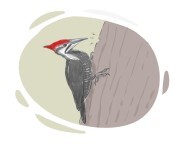
woodpecker
woodpecker
[Sustantivo]

a bird with a drill-like beak that makes holes in trees in search of insects to feed on

pájaro carpintero
pájaro carpintero

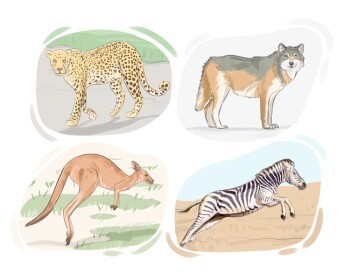
mammal
mammal
[Sustantivo]

a warm-blooded vertebrate animal whose females produce milk to feed their young and that typically has hair or fur

mamífero

mamífero

Ex: Most mammals give birth to live young. 
resilience
resilience
[Sustantivo]

the ability to recover from difficult situations

resiliencia

resiliencia

Ex: Mental resilience is crucial for athletes, helping them cope with losses and remain focused on future competitions. 

La resiliencia mental es crucial para los atletas, ayudándoles a afrontar las pérdidas y mantenerse enfocados en futuras competiciones.
hawthorn
hawthorn
[Sustantivo]

a shrub or small tree of the family of rose with small red fruits

espino

espino

to stay behind

to remain in a location while others depart

quedarse atrás, permanecer en el lugar

quedarse atrás, permanecer en el lugar

Ex: The soldier stayed behind to provide cover fire while the rest of the squad retreated. 

El soldado se quedó atrás para proporcionar fuego de cobertura mientras el resto del pelotón se retiraba.

structural
structural
[Adjetivo]

relating to or concerned with the morphology of plants and animals

estructural, morfológico

estructural, morfológico

diversity
diversity
[Sustantivo]

the state of including or containing many different types, characteristics, or elements

diversidad

diversidad

Ex: Genetic diversity helps populations adapt to environmental changes. 
reference
reference
[Sustantivo]

a mention or citation of something, often to provide context or support for an idea

referencia, cita

referencia, cita

Ex: The report contained a reference to the latest research in the field. 
aspect
aspect
[Sustantivo]

a defining or distinctive feature of something

aspecto, característica

aspecto, característica

Ex: He explained every aspect of the plan in detail. 
to contribute

to be one of the causes or reasons that helps something happen

contribuir

contribuir

Ex: Volunteer efforts significantly contribute to the charity's growth. 
worth
worth
[Sustantivo]

the assigned or estimated value of something, without necessarily specifying a particular quantity or amount

valor

valor

Ex: The collector's items were of significant worth, attracting buyers from all over. 
to mention
to mention
[Verbo]

to say something about someone or something, without giving much detail

mencionar
mencionar

Ex: Can you mention where you found that interesting article? 
potential
potential
[Adjetivo]

having the possibility to develop or be developed into something particular in the future

potencial

potencial

Ex: The potential risks of the new investment strategy were carefully analyzed. 
to run
to run
[Verbo]

to cause engines or machines to operate, function, or perform their designated tasks

hacer funcionar, poner en marcha
hacer funcionar, poner en marcha

Ex: She ran the engine to warm up the car on a cold morning. 
alternative
alternative
[Adjetivo]

available as an option for something else

alternativa

alternativa

Ex: We need to find an alternative route to avoid the traffic. 
to generate

to cause or give rise to something

generar

generar

Ex: Last year, the new initiative generated a substantial increase in revenue. 
across
across
[Preposición]

during a period of time

a lo largo de, durante

a lo largo de, durante

Ex: Her work resonates across the ages. 

Su trabajo resuena a lo largo de los siglos.

range
range
[Sustantivo]

a variety of things that are different but are of the same general type

rango

rango

Ex: The restaurant's menu features a range of dishes from different cuisines around the world. 
creature
creature
[Sustantivo]

any living thing that is able to move on its own, such as an animal, fish, etc.

criatura

criatura

Ex: Conservationists work tirelessly to protect endangered creatures like the black rhinoceros and the Bengal tiger from extinction. 
to name
to name
[Verbo]

to specify or list something by giving its name

nombrar, designar

nombrar, designar

Ex: The therapist named the emotions the patient was experiencing: sadness, anger, and anxiety. 
nota bene
nota bene
[Sustantivo]

a Latin phrase (or its abbreviation) used to indicate that special attention should be paid to something

nota bene, nótese bien

nota bene, nótese bien

LanGeek
Descargar la aplicación LanGeek