pattern

Cambridge IELTS 18 - Academic - Test 1 - Czytanie - Fragment 2 (2)

Ucz się słownictwa z drugiej części Cambridge IELTS 18 Academic, Test 1 Reading Passage 2, z przydatnymi słowami i wyrażeniami z tekstu.

Przegląd

Fiszki

formy

Pisownia

Test

Zacznij naukę
Cambridge IELTS 18 - Academic
primary
primary
[przymiotnik]

having the most importance or influence

główny, pierwotny

główny, pierwotny

Ex: In his research, the primary focus is on understanding the effects of climate change on marine ecosystems. 
foliage
foliage
[Rzeczownik]

a plant or tree's branches and leaves collectively

liście, roślinność

liście, roślinność

Ex: Birds often build nests among the foliage of tall trees. 

Ptaki często budują gniazda wśród liści wysokich drzew.

crown
crown
[Rzeczownik]

the top part of a tree or other plant

korona, szczyt

korona, szczyt

Ex: The bird built its nest in the crown of the tall oak tree, safe from predators. 
coverage
coverage
[Rzeczownik]

the extent or degree to which something is provided, included, dealt with, or reaches a particular area

zasięg,  pokrycie
zasięg, pokrycie

Ex: The paint provides excellent coverage with a single coat. 
to regenerate
to regenerate
[Czasownik]

to grow or be made again

regenerować, odradzać się

regenerować, odradzać się

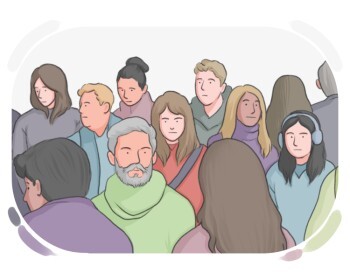
crowded
crowded
[przymiotnik]

(of a space) filled with things or people

zatłoczony, przepełniony

zatłoczony, przepełniony

Ex: The crowded beach was bustling with families enjoying the sunny weather. 

Zatłoczona plaża była pełna rodzin cieszących się słoneczną pogodą.

to tailor
to tailor
[Czasownik]

to customize or modify something to fit an individual or market's specific preferences

dostosować, spersonalizować

dostosować, spersonalizować

Ex: As a personal touch, the chef can tailor the menu for special dietary requirements. 

Jako osobisty akcent, szef kuchni może dostosować menu do specjalnych wymagań dietetycznych.
to yield
to yield
[Czasownik]

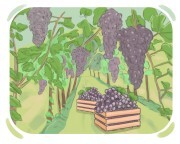
(of a farm or an industry) to grow or produce a crop or product

produkować, dawać

produkować, dawać

Ex: The apple orchard typically yields a bountiful harvest each year. 
pest
pest
[Rzeczownik]

an insect or small animal that destroys or damages crops, food, etc.

szkodnik, pasożyt

szkodnik, pasożyt

Ex: The pest damaged the wheat before it could be harvested. 

Szkodnik uszkodził pszenicę, zanim mogła zostać zebrana.

pathogen
pathogen
[Rzeczownik]

any organism that can cause diseases

patogen, czynnik chorobotwórczy

patogen, czynnik chorobotwórczy

Ex: Proper hand hygiene and sanitation practices are crucial in preventing the spread of pathogens in healthcare settings. 

Właściwa higiena rąk i praktyki sanitarne są kluczowe w zapobieganiu rozprzestrzenianiu się patogenów w placówkach służby zdrowia.

to ease
to ease
[Czasownik]

to reduce the severity or seriousness of something unpleasant

łagodzić, zmniejszać

łagodzić, zmniejszać

Ex: She took medication to ease the pain in her back after a long day of physical work. 
procedure
procedure
[Rzeczownik]

a particular set of actions conducted in a certain way

procedura, metoda

procedura, metoda

Ex: The technician followed a detailed procedure to calibrate the equipment accurately. 
to seek
to seek
[Czasownik]

to make an effort to achieve or obtain something

szukać, dążyć

szukać, dążyć

Ex: She sought to improve her skills by practicing every day. 
spread
spread
[Rzeczownik]

a haphazard distribution in all directions

rozproszenie, losowe rozmieszczenie

rozproszenie, losowe rozmieszczenie

Ex: The paint left a broad spread of droplets on the wall. 
vigorous
vigorous
[przymiotnik]

having strength and good mental or physical health

energiczny, żywiołowy

energiczny, żywiołowy

Ex: Despite his age, the vigorous senior maintained an active lifestyle, hiking regularly. 

Pomimo swojego wieku, energiczny senior prowadził aktywny tryb życia, regularnie wędrując.

outbreak
outbreak
[Rzeczownik]

the unexpected start of something terrible, such as a disease

wybuch, epidemia

wybuch, epidemia

Ex: The sudden outbreak of the flu caused widespread panic in the city. 
mature
mature
[przymiotnik]

having reached full physical growth or natural development
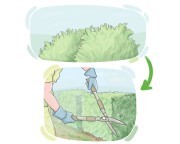
Ex: The sanctuary provides plenty of space for mature animals. 
to thin
to thin
[Czasownik]

to reduce the density of something

przerzedzać, rozrzedzać
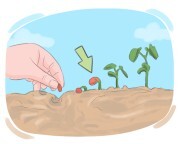
przerzedzać, rozrzedzać

Ex: The gardener thinned the carrots to allow the remaining ones more space to grow. 
seedling
seedling
[Rzeczownik]

a young plant that develops from a seed, typically in the early stages of growth after germination

sadzonka, kiełek

sadzonka, kiełek

Ex: Seedlings require adequate sunlight and water to establish strong root systems. 

Sadzonki wymagają odpowiedniej ilości światła słonecznego i wody, aby stworzyć silne systemy korzeniowe.

to establish
to establish
[Czasownik]

to make something stable, secure, or permanent in a specific place or position

ustanawiać, zakładać

ustanawiać, zakładać

Ex: The company worked hard to establish its headquarters in the new city. 
forester
forester
[Rzeczownik]

a specialist in managing, conserving, and cultivating forests and their resources

leśnik

leśnik

Ex: She works as a forester for the state government. 
to leave
to leave
[Czasownik]

to cause something to remain as a result

zostawiać, sprawiać

zostawiać, sprawiać

Ex: The storm left several roads blocked. 
young
young
[przymiotnik]

in the initial phase of existence or development

młody, rozwijający się

młody, rozwijający się

Ex: The young relationship was filled with excitement and discovery. 
point
point
[Rzeczownik]

a precise or identifiable position within a continuum, sequence, or process

punkt, etap

punkt, etap

Ex: We reached a critical point in the negotiations where compromise was necessary. 
two-tier
two-tier
[przymiotnik]

(of systems, structures, or arrangements) divided into two distinct parts or groups

dwupoziomowy, binarny

dwupoziomowy, binarny

Ex: The country’s healthcare system is two-tier, with public and private options. 

System opieki zdrowotnej w kraju jest dwupoziomowy, z opcjami publicznymi i prywatnymi.

harvest
harvest
[Rzeczownik]

the time of year when ripe crops are gathered

żniwa

żniwa

Ex: They returned to the farm in time for harvest. 
to come in
to come in
[Czasownik]

to arrive at a certain stage or point in a process

przybyć, posuwać się naprzód

przybyć, posuwać się naprzód

Ex: The reports from various departments are coming in, and we can start analyzing the data. 

Raporty z różnych działów napływają i możemy rozpocząć analizę danych.

to spread out
to spread out
[Czasownik]

to distribute something among different time periods or individuals

rozprowadzać, rozłożyć

rozprowadzać, rozłożyć

Ex: To ensure a steady workflow, the supervisor chose to spread out the delivery of materials over the project timeline. 

Aby zapewnić stabilny przepływ pracy, kierownik zdecydował się rozłożyć dostawę materiałów na cały harmonogram projektu.

thinning
thinning
[Rzeczownik]

the act of diluting something

rozcieńczanie, rozrzedzanie

rozcieńczanie, rozrzedzanie

deadwood
deadwood
[Rzeczownik]

a branch or a part of a tree that is dead

martwe drewno, martwa gałąź

martwe drewno, martwa gałąź

removal
removal
[Rzeczownik]

the act or process of taking someone or something away from a place, position, or situation

usunięcie,  usuwanie

usunięcie, usuwanie

Ex: The removal of waste from the site began on Monday. 
to center on
to center on
[Czasownik]

to have someone or something as the main subject, concern, or focus

koncentrować się na, obracać się wokół

koncentrować się na, obracać się wokół

Ex: Their next campaign will center on public safety. 
retention
retention
[Rzeczownik]

the act of keeping something that one already has

zatrzymanie, utrzymanie

zatrzymanie, utrzymanie

to classify
to classify
[Czasownik]

to arrange people or things into groups according to shared characteristics or qualities

Ex: The products are classified according to their intended use. 
nutrient
nutrient
[Rzeczownik]

a chemical element or inorganic compound that green plants absorb and incorporate into their organic molecules to support growth and metabolism

składnik odżywczy, substancja odżywcza

składnik odżywczy, substancja odżywcza

Ex: During rapid vegetative growth, a plant's uptake of water-soluble nutrients like calcium and magnesium can outpace what the soil naturally provides. 

Podczas szybkiego wzrostu wegetatywnego pobieranie przez roślinę rozpuszczalnych w wodzie składników odżywczych, takich jak wapń i magnez, może przewyższać to, co gleba naturalnie dostarcza.

to cycle
to cycle
[Czasownik]

to go through a complete series of events or stages in a cyclical or repetitive manner

cyklicznie przechodzić, przechodzić przez cykl
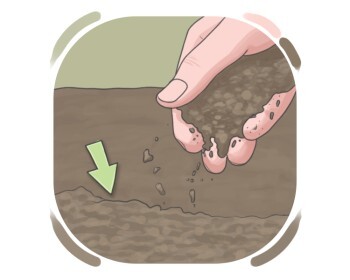
cyklicznie przechodzić, przechodzić przez cykl

Ex: The ecosystem cycles through a natural balance of predator-prey relationships, population growth, and ecological succession. 
soil
soil
[Rzeczownik]

the black or brownish substance consisted of organic remains, rock particles, and clay that forms the upper layer of earth where trees or other plants grow

gleba, ziemia

gleba, ziemia

Ex: The gardeners enriched the soil with compost to improve plant growth. 
cavity
cavity
[Rzeczownik]

a natural empty space or hollow area inside the body

jama, wnęka

jama, wnęka

Ex: Sound echoes in the vocal cavity. 

Dźwięk odbija się w jamie głosowej.

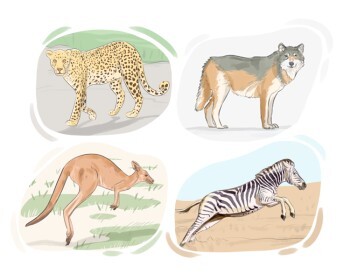
predator
predator
[Rzeczownik]

an animal that hunts, kills, and eats other animals

Ex: Scientists introduced no new predators into the protected ecosystem. 
woodpecker
woodpecker
[Rzeczownik]

a bird with a drill-like beak that makes holes in trees in search of insects to feed on

dzięcioł, ptak
dzięcioł, ptak

mammal
mammal
[Rzeczownik]

a warm-blooded vertebrate animal whose females produce milk to feed their young and that typically has hair or fur

ssak,  ssaki

ssak, ssaki

Ex: Humans are mammals and share many biological features with other primates. 
resilience
resilience
[Rzeczownik]

the ability to recover from difficult situations

odporność

odporność

Ex: After losing her job, Sarah showed remarkable resilience by quickly finding a new position and adapting to her new workplace. 

Po utracie pracy Sarah wykazała się niezwykłą odpornością, szybko znajdując nowe stanowisko i przystosowując się do nowego miejsca pracy.
hawthorn
hawthorn
[Rzeczownik]

a shrub or small tree of the family of rose with small red fruits

głóg, cierń

głóg, cierń

to stay behind
to stay behind
[Czasownik]

to remain in a location while others depart

pozostać z tyłu, pozostać na miejscu

pozostać z tyłu, pozostać na miejscu

Ex: The determined scientist stayed behind in the laboratory to conduct additional experiments after the research team departed. 

Zdeterminowany naukowiec pozostał w tyle w laboratorium, aby przeprowadzić dodatkowe eksperymenty po wyjściu zespołu badawczego.

structural
structural
[przymiotnik]

relating to or concerned with the morphology of plants and animals

strukturalny, morfologiczny

strukturalny, morfologiczny

diversity
diversity
[Rzeczownik]

the state of including or containing many different types, characteristics, or elements

różnorodność,  rozmaitość

różnorodność, rozmaitość

Ex: Sarah appreciates the cultural diversity of her neighborhood. 
reference
reference
[Rzeczownik]

a mention or citation of something, often to provide context or support for an idea

odniesienie, cytat

odniesienie, cytat

Ex: The article included several references to previous studies on the topic. 
aspect
aspect
[Rzeczownik]

a defining or distinctive feature of something

aspekt, cecha

aspekt, cecha

Ex: One important aspect of the project is meeting the deadline. 
to contribute
to contribute
[Czasownik]

to be one of the causes or reasons that helps something happen

przyczyniać się, wnosić wkład

przyczyniać się, wnosić wkład

Ex: Many factors contribute to the rise in housing prices. 
worth
worth
[Rzeczownik]

the assigned or estimated value of something, without necessarily specifying a particular quantity or amount

wartość

wartość

Ex: The painting was appraised at a considerable worth due to its historical significance. 
to mention
to mention
[Czasownik]

to say something about someone or something, without giving much detail

wspomnieć, wymienić
wspomnieć, wymienić

Ex: During the meeting, please mention any concerns or suggestions you may have. 
potential
potential
[przymiotnik]

having the possibility to develop or be developed into something particular in the future

potencjalny, możliwy

potencjalny, możliwy

Ex: She saw potential issues with the project and addressed them early on. 
to run
to run
[Czasownik]

to cause engines or machines to operate, function, or perform their designated tasks

uruchomić, wprowadzić w ruch
uruchomić, wprowadzić w ruch

Ex: I need to run the dishwasher after dinner. 
alternative
alternative
[przymiotnik]

available as an option for something else

alternatywny, zastępczy

alternatywny, zastępczy

Ex: They provided an alternative plan in case the weather turned bad. 
to generate
to generate
[Czasownik]

to cause or give rise to something

generować, wytwarzać

generować, wytwarzać

Ex: The artist's provocative work generated controversy and debate, challenging societal norms and perceptions. 
across
across
[Przyimek]

during a period of time

przez, w trakcie

przez, w trakcie

Ex: This idea has been discussed across centuries. 

Ta idea była dyskutowana na przestrzeni wieków.

range
range
[Rzeczownik]

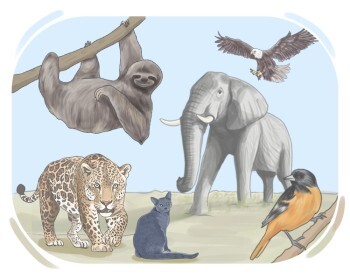
a variety of things that are different but are of the same general type

zakres,  różnorodność
zakres, różnorodność

Ex: The store offers a wide range of electronics, from smartphones to laptops. 
creature
creature
[Rzeczownik]

any living thing that is able to move on its own, such as an animal, fish, etc.

stworzenie, istota żywa

stworzenie, istota żywa

Ex: The forest was teeming with creatures of all shapes and sizes, from tiny insects to large mammals. 
to name
to name
[Czasownik]

to specify or list something by giving its name

nazwać, wymienić

nazwać, wymienić

Ex: The chef named the ingredients for the recipe: flour, sugar, eggs, and vanilla extract. 
nota bene
nota bene
[Rzeczownik]

a Latin phrase (or its abbreviation) used to indicate that special attention should be paid to something

nota bene, zauważ dobrze

nota bene, zauważ dobrze

LanGeek
Pobierz aplikację LanGeek