pattern

Cambridge IELTS 17 - Academic - Test 1 - Čtení - Úryvek 1

Učte se slovní zásobu z Cambridge IELTS 17 Academic, Test 1 Reading Passage 1, a opakujte užitečná slova a výrazy z tohoto čtecího textu.

Revize

Kartičky

tvary

Pravopis

Kvíz
Začněte se učit
Cambridge IELTS 17 - Academic
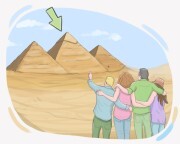
railway
railway
[Podstatné jméno]

a system or network of tracks with the trains, organization, and people needed to operate them

železnice, železniční trať
železnice, železniční trať

Ex: The railway operates hundreds of trains every day. 
astonishing
astonishing
[Přídavné jméno]

causing great surprise or amazement due to being impressive, unexpected, or remarkable

ohromující, úžasný

ohromující, úžasný

Ex: Astonishing discoveries were made during the archaeological excavation. 

Během archeologických vykopávek byly učiněny úžasné objevy.

rate
rate
[Podstatné jméno]

the relative speed or pace of progress, growth, or decline

tempo, rychlost

tempo, rychlost

Ex: The rate of technological change is accelerating. 
objector
objector
[Podstatné jméno]

an individual who displays their disagreement with something or someone

odpůrce, protestující

odpůrce, protestující

to argue
to argue
[sloveso]

to provide reasons when saying something is the case, particularly to persuade others that one is right

argumentovat, diskutovat

argumentovat, diskutovat

Ex: He argued that increasing funding for education would lead to long-term benefits for society. 
congested
congested
[Přídavné jméno]

(of a place) filled with many people, vehicles, or objects, leading to difficulties in movement

přetížený, ucpaný

přetížený, ucpaný

Ex: The congested train platform was crowded with commuters waiting for the next train. 

Přeplněné nádraží bylo plné dojíždějících čekajících na další vlak.
expansion
expansion
[Podstatné jméno]

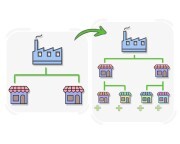
an increase in the amount, size, importance, or degree of something

expanze, rozšíření
expanze, rozšíření

Ex: The expansion of the business into international markets was successful. 
to consist
to consist
[sloveso]

to be constructed from or made up of certain things or people

sestávat, být složen z

sestávat, být složen z

Ex: The salad consists of lettuce, tomatoes, cucumbers, and dressing. 
overcrowded
overcrowded
[Přídavné jméno]

(of a space or area) filled with too many people or things, causing discomfort or lack of space

přeplněný, přelidněný

přeplněný, přelidněný

Ex: The train was overcrowded, and there was barely enough room to stand. 

Vlak byl přeplněný, a sotva bylo dost místa k stání.
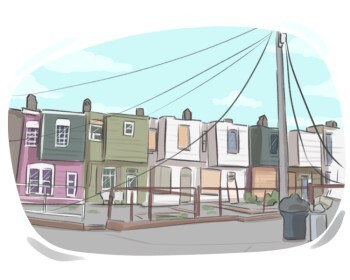
slum
slum
[Podstatné jméno]

(often plural) a very poor and overpopulated area of a city or town in which the houses are not in good condition

slum, chudinská čtvrť

slum, chudinská čtvrť

Ex: The government is implementing programs to improve living conditions in slums. 

Vláda zavádí programy na zlepšení životních podmínek v slumech.

horse-drawn
horse-drawn
[Přídavné jméno]

pulled or powered by a horse or horses

tažený koňmi, koňský

tažený koňmi, koňský

Ex: The museum displayed an antique horse-drawn fire engine. 

Muzeum vystavovalo starožitný koňmi tažený hasičský stroj.
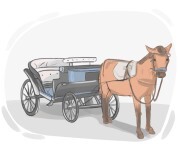
carriage
carriage
[Podstatné jméno]

a wheeled vehicle, usually with four wheels, that is pulled by one or more horses and carries people

kočár,  vůz
kočár, vůz

Ex: The old photograph shows a family sitting in an elegant carriage. 
numerous
numerous
[Přídavné jméno]

indicating a large number of something

četné, mnoho

četné, mnoho

Ex: The city is known for its numerous historical landmarks and tourist attractions. 

Město je známé svými četnými historickými památkami a turistickými atrakcemi.

scheme
scheme
[Podstatné jméno]

an organized and carefully planned course of action

plán, projekt

plán, projekt

Ex: The company launched a scheme to expand internationally. 
to propose
to propose
[sloveso]

to formally suggest or introduce a motion, idea, or action for consideration and discussion by a legislature

navrhnout, předložit

navrhnout, předložit

Ex: The senator proposed a new bill to increase funding for education. 
to resolve
to resolve
[sloveso]

to find a way to solve a disagreement or issue

vyřešit, ujednat

vyřešit, ujednat

Ex: The couple attended counseling to resolve their marital conflicts. 
vocal
vocal
[Přídavné jméno]

giving opinions loudly or freely

hlasový, výrazný

hlasový, výrazný

Ex: The employees were vocal in expressing their dissatisfaction with the new management policies. 

Zaměstnanci byli hlasití při vyjadřování své nespokojenosti s novými manažerskými politikami.

advocate
advocate
[Podstatné jméno]

a person who publicly supports, promotes, or defends a particular cause, idea, or group

zastánce,  obhájce

zastánce, obhájce

Ex: The organization works with advocates from local communities. 
solicitor
solicitor
[Podstatné jméno]

(in the UK) a lawyer who is entitled to give legal advice, prepare legal documents for contracts and defend people in lower courts of law

solicitor, právní poradce
solicitor, právní poradce

Ex: She consulted a solicitor for advice on buying a house. 
to relocate
to relocate
[sloveso]

to move to a new place or position

přestěhovat se, přemístit

přestěhovat se, přemístit

Ex: The company decided to relocate its headquarters to a more centralized location. 

Společnost se rozhodla přesunout své sídlo na centralizovanější místo.

inner city
inner city
[Podstatné jméno]

an area close to the center of a city that usually suffers from economic problems

vnitřní město, centrum města s ekonomickými problémy

vnitřní město, centrum města s ekonomickými problémy

Ex: The inner city is home to a diverse population, including immigrants, working-class families, and young professionals, contributing to its vibrant cultural scene. 

Vnitřní město je domovem rozmanité populace, včetně přistěhovalců, dělnických rodin a mladých profesionálů, kteří přispívají k jeho živé kulturní scéně.
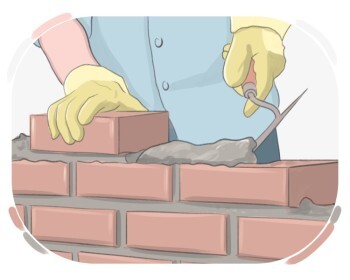
to construct
to construct
[sloveso]

to build a house, bridge, machine, etc.

stavět, budovat

stavět, budovat

Ex: Engineers and construction workers collaborated to construct a sturdy and safe bridge. 
to gain
to gain
[sloveso]

to obtain or achieve something that is needed or desired

získat, nabýt

získat, nabýt

Ex: He gained the knowledge necessary to excel in his field through extensive research. 
to submit
to submit
[sloveso]

to formally present something, such as a proposal or document, to someone in authority for review or decision

předložit, podat
předložit, podat

Ex: He will submit his application for the job by tomorrow. 
to coincide
to coincide
[sloveso]

to happen at the same time or at nearly the same time as something else

shodovat se, kryt se

shodovat se, kryt se

Ex: Our vacations rarely coincide. 
proposal
proposal
[Podstatné jméno]

something suggested or put forward for consideration, such as an idea, plan, or assumption

návrh, nápad

návrh, nápad

Ex: Her proposal to extend the project was accepted. 
to merge
to merge
[sloveso]

to combine or cause two or more things to combine into a single whole

sloučit,  spojit

sloučit, spojit

Ex: The villages gradually expanded and merged into one town. 
metropolitan
metropolitan
[Přídavné jméno]

relating to a large city and the surrounding urban area

metropolitní,  velkoměstský

metropolitní, velkoměstský

Ex: Daniel moved from a rural town to a large metropolitan center. 
to raise
to raise
[sloveso]

to assemble money or resources, particularly in order to achieve or create something

shromáždit, shromažďovat

shromáždit, shromažďovat

Ex: Hammond Co. will need to raise $2 million to finance the offer. 
funding
funding
[Podstatné jméno]

the financial resources that are provided to make a particular project or initiative possible

financování

financování

Ex: The school secured funding to build a new library. 
radical
radical
[Přídavné jméno]

(of actions, ideas, etc.) very new and different from the norm

radikální, revoluční

radikální, revoluční

Ex: The scientist proposed a radical theory that challenged established beliefs. 
critical
critical
[Přídavné jméno]

noting or highlighting mistakes or imperfections

kritický, přísný

kritický, přísný

Ex: The article was critical of the government's handling of the crisis. 

Článek byl kritický k vládnímu zvládání krize.
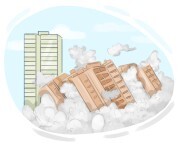
to collapse
to collapse
[sloveso]

(of a construction) to fall down suddenly, particularly due to being damaged or weak

zřítit se, zbortit se

zřítit se, zbortit se

Ex: The old building collapsed after years of neglect and structural decay. 
to poison
to poison
[sloveso]

to have a seriously harmful or damaging effect on someone or something

otrávit, zkazit

otrávit, zkazit

Ex: Misinformation had poisoned the public debate. 
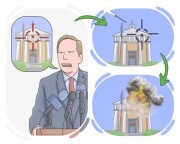
emission
emission
[Podstatné jméno]

a substance, gas, particle, or form of energy that has been released from a source

emise,  vypouštění
emise, vypouštění

Ex: Researchers analyzed the chemical composition of the emissions from the plant. 
to persist
to persist
[sloveso]

to continue doing something firmly despite difficulty, opposition, or discouragement

vytrvat,  neustupovat
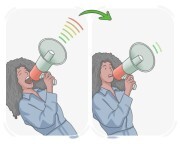
vytrvat, neustupovat

Ex: The researchers are persisting despite repeated setbacks. 
to minimize
to minimize
[sloveso]

to reduce something to the lowest possible degree or amount, particularly something unpleasant

minimalizovat, snížit na minimum

minimalizovat, snížit na minimum

Ex: While implementing safety measures, they were minimizing risks in the workplace. 

Při zavádění bezpečnostních opatření minimalizovali rizika na pracovišti.
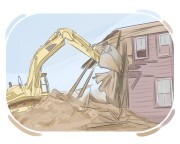
to demolish
to demolish
[sloveso]

to completely destroy or to knock down a building or another structure

zbořit, zničit

zbořit, zničit

Ex: The construction crew will demolish the existing walls before rebuilding. 

Stavební tým zboří stávající zdi před přestavbou.

to schedule
to schedule
[sloveso]

to set a specific time to do something or make an event happen

naplánovat, zarezervovat

naplánovat, zarezervovat

Ex: He scheduled his doctor's appointment for next week. 
trench
trench
[Podstatné jméno]

any long, narrow excavation or ditch in the ground, regardless of purpose

příkop, zákop

příkop, zákop

Ex: The trench marked the boundary of the property. 

Příkop označoval hranici nemovitosti.

timber
timber
[Podstatné jméno]

a substantial piece of wood used upright as a post, support, or structural member

Ex: Each timber was positioned carefully before the frame was completed. 
beam
beam
[Podstatné jméno]

a long, thick piece of wood, metal, or concrete used to support weight in a building or structure
Ex: The bridge rests on several massive concrete beams. 
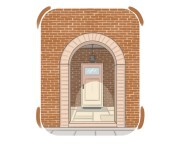
arch
arch
[Podstatné jméno]

a curved structure supported at both sides that spans an opening and often supports weight above it

oblouk,  klenba

oblouk, klenba

Ex: The church has tall Gothic arches along its central aisle. 
operation
operation
[Podstatné jméno]

the state of being in effect or being operative

provoz, operace

provoz, operace

Ex: The agreement will come into operation next week. 
extension
extension
[Podstatné jméno]

an addition that increases the size of a building

přístavba, rozšíření
přístavba, rozšíření

Ex: They built a rear extension to enlarge the kitchen. 
to authorize
to authorize
[sloveso]

to officially give permission for a specific action, process, etc.

povolit, schválit

povolit, schválit

Ex: Banks often require customers to authorize certain transactions through a signature or other verification methods. 

Banky často vyžadují, aby zákazníci autorizovali určité transakce podpisem nebo jinými ověřovacími metodami.

steam locomotive
steam locomotive
[Podstatné jméno]

a locomotive powered by a steam engine

parní lokomotiva, parní stroj

parní lokomotiva, parní stroj

firebrick
firebrick
[Podstatné jméno]

brick made of fire clay; used for lining e.g. furnaces and chimneys

žáruvzdorná cihla, ohnivzdorná cihla

žáruvzdorná cihla, ohnivzdorná cihla

boiler
boiler
[Podstatné jméno]

a closed vessel in which water is heated to create steam or hot water, used for heating buildings, producing electricity, or powering machines

kotel, parogenerátor

kotel, parogenerátor

Ex: Boilers in power plants convert water into steam to drive turbines. 

Kotle v elektrárnách přeměňují vodu na páru, aby poháněly turbíny.

tank
tank
[Podstatné jméno]

a large, typically metallic container designed for storing gases or liquids

nádrž, rezervoár

nádrž, rezervoár

Ex: The fuel tank was refilled before the long journey. 
to condense
to condense
[sloveso]

to cause a substance to change from a gas or vapor to a liquid state

kondenzovat

kondenzovat

Ex: In a chemistry lab, a condenser is used to cool and condense volatile substances into liquid form. 

V chemické laboratoři se kondenzátor používá k ochlazování a kondenzaci těkavých látek do kapalné formy.
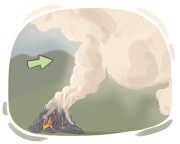
fume
fume
[Podstatné jméno]

smoke or gas that has a sharp smell or is harmful if inhaled

kouř, pára

kouř, pára

Ex: Workers were advised to wear masks to avoid inhaling harmful fumes in the laboratory. 

Pracovníkům bylo doporučeno nosit masky, aby se vyhnuli vdechování škodlivých výparů v laboratoři.

ventilation shaft
ventilation shaft
[Podstatné jméno]

a shaft in a building; serves as an air passage for ventilation

ventilační šachta, ventilační potrubí

ventilační šachta, ventilační potrubí

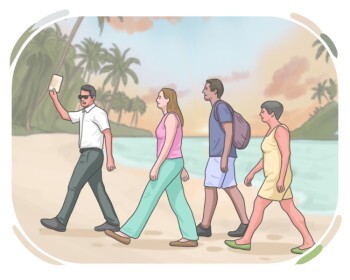
extension
extension
[Podstatné jméno]

the act of expanding in scope, range, or availability

rozšíření, prodloužení
rozšíření, prodloužení

Ex: The company planned an extension of its product line. 
circuit
circuit
[Podstatné jméno]

a route or journey that goes all the way around a particular place or area

okruh, kolo
okruh, kolo

Ex: He ran a circuit around the park every morning. 
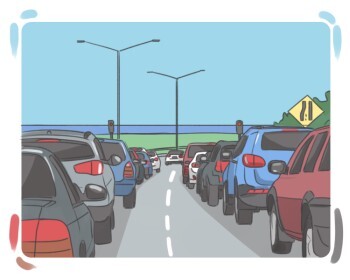
congestion
congestion
[Podstatné jméno]

a state of being overcrowded or blocked, particularly in a street or road

dopravní zácpa, ucpání

dopravní zácpa, ucpání

Ex: Traffic congestion is a major issue during the holidays. 

Dopravní zácpy jsou během svátků velkým problémem.

to extend
to extend
[sloveso]

to stretch out or expand over a distance

rozšířit, prodloužit

rozšířit, prodloužit

Ex: The road extends for miles through the desert. 
alternative
alternative
[Podstatné jméno]

any of the available possibilities that one can choose from

alternativa,  možnost

alternativa, možnost

Ex: We need to find an alternative if this plan doesn't work. 
confined
confined
[Přídavné jméno]

restricted or limited in space, area, or movement

omezený, uzavřený

omezený, uzavřený

Ex: The plant's growth was confined by the size of its pot. 

Růst rostliny byl omezen velikostí jejího květináče.
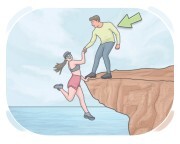
reliable
reliable
[Přídavné jméno]

able to be trusted to perform consistently well and meet expectations

spolehlivý, důvěryhodný

spolehlivý, důvěryhodný

Ex: The reliable product has a reputation for durability and performance. 

Spolehlivý produkt má pověst trvanlivosti a výkonu.

means
means
[Podstatné jméno]

a way, system, object, etc. through which one can achieve a goal or accomplish a task

prostředek, nástroj
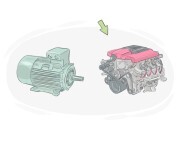
prostředek, nástroj

Ex: Education is a powerful means to improve one's future prospects. 
generator
generator
[Podstatné jméno]

a machine that produces electricity by converting mechanical energy into electrical energy

generátor, alternátor

generátor, alternátor

Ex: Portable generators are useful during camping trips or emergencies to provide temporary electrical power. 

Přenosné generátory jsou užitečné během kempování nebo při mimořádných událostech pro poskytnutí dočasné elektrické energie.

line
line
[Podstatné jméno]

the track or route along which a train travels

linka, kolej

linka, kolej

Ex: The commuter line was delayed by signal problems. 
carriage
carriage
[Podstatné jméno]

one of the sections of a train in which passengers travel

vagón,  vůz
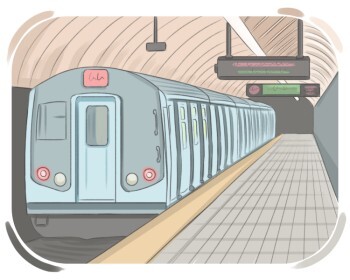
vagón, vůz

Ex: The train has ten passenger carriages. 
Tube
Tube
[Podstatné jméno]

an underground railway system, especially the London Underground

metro,  podzemní dráha

metro, podzemní dráha

Ex: Which Tube line goes to King's Cross? 
housing
housing
[Podstatné jméno]

buildings in which people live, including their condition, prices, or types

bydlení, ubytování

bydlení, ubytování

Ex: The government is working on affordable housing. 
initially
initially
[Příslovce]

at the starting point of a process or situation

zpočátku, na začátku

zpočátku, na začátku

Ex: The treaty was initially signed by only three nations, though others later joined. 

Smlouvu zpočátku podepsaly pouze tři národy, ačkoli později se připojily další.

to pull down
to pull down
[sloveso]

to demolish a structure or building, typically by pulling it apart or taking it down piece by piece

zbourat budovu nebo konstrukci, rozebrat konstrukci po částech a zbourat ji

zbourat budovu nebo konstrukci, rozebrat konstrukci po částech a zbourat ji

Ex: The stadium, once a symbol of pride, was now so old they had no choice but to pull it down. 

Stadión, kdysi symbol hrdosti, byl nyní tak starý, že neměli jinou možnost než ho zbořit.

royal commission
royal commission
[Podstatné jméno]

an official group created by a government to deeply study a serious issue and give advice or suggestions for solving it

královská komise, královské vyšetřování

královská komise, královské vyšetřování

Ex: A royal commission was formed to look into police conduct. 

Byla vytvořena královská komise k prošetření chování policie.

LanGeek
Stáhnout aplikaci LanGeek
