
Vocabulario Avanzado para el GRE - Éxito y Fracaso
Aquí aprenderás algunas palabras en inglés sobre éxito y fracaso, como "skeptic", "halcyon", "kudos", etc. que se necesitan para el examen GRE.
Revisión
Tarjetas de memoria
formas
Ortografía
Cuestionario

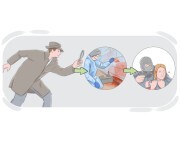
to determine something with certainty by careful examination or investigation

establecer
El médico determinó el diagnóstico realizando varias pruebas médicas.

a thing that is essential or desired
desiderátum
El acceso al agua limpia sigue siendo un desideratum vital para muchos países en desarrollo.
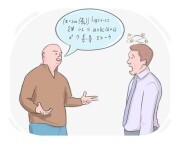
to completely confuse someone
despistar
Las instrucciones complicadas para armar los muebles desconcertaron a los nuevos dueños de casa, lo que les hizo buscar ayuda.
a certain stage or point in an activity, a process, or a series of events, particularly important
coyuntura
El proyecto está en un punto donde necesitamos finalizar el diseño antes de seguir adelante.

a state of uncertainty about what decision to make in a challenging situation
dilema
Se encontraron en un dilema sobre qué camino tomar.
an individual who regularly questions and doubts the validity of ideas, beliefs, or information, particularly those that are commonly accepted
escéptico
El filósofo era conocido por su reputación de escéptico, desafiando creencias e ideologías establecidas.
having reasons that are acceptable and valid
justificado
El retraso en el proyecto estaba justificado debido a dificultades técnicas imprevistas.
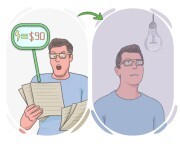
to fail to fulfill a legal or financial obligation, especially to make a required payment
no pagar
bad in a noticeable and extreme way
atroz
Su flagrante desprecio por las normas de seguridad puso en peligro la vida de sus compañeros de trabajo.
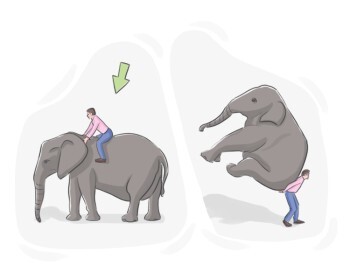
having the potential of being done successfully
factible
El ingeniero presentó una solución factible al problema, teniendo en cuenta las limitaciones técnicas y presupuestarias.
full of calmness, happiness, and prosperity
feliz
Durante los años halcyon de la compañía, los beneficios se dispararon y los empleados estaban muy satisfechos.
a period in which someone or something was at its height of success, fame, or strength
apogeo
En su auge, el parque de atracciones atraía visitantes de todo el país.

highly distinguished, admired, or well-known due to exceptional and outstanding characteristics or features
ilustre
La ilustre escritora Jane Austen obtuvo gran reconocimiento por sus notables obras.
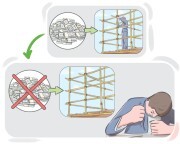
to create difficulty or obstacles that make it hard for something to happen or progress
impedir
La barrera del idioma puede impedir una comunicación efectiva en un equipo multicultural.
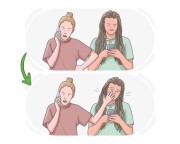
occurring unintentionally or without deliberate thought or planning
involuntario
El conductor hizo un giro involuntario y terminó en un vecindario desconocido.
something that encourages or motivates someone to do something, often by offering a reward or benefit
incentivo
cannot be endured due to being extremely annoying, uncomfortable, or unpleasant
insufrible
complex and difficult to understand due to many connected parts
complicado
Se encontró perdida en el lenguaje legal complicado del contrato.

the admiration, praise, and recognition someone receives for their achievements, deeds, or social standing
prestigio
Su investigación innovadora le valió elogios generalizados en la comunidad científica.
difficult and needing a lot of energy and effort
oneroso
La tarea de organizar el evento cayó sobre sus hombros, y pronto se dio cuenta de que era más onerosa de lo que había anticipado.
a small excusable offense or mistake
pecadillo
Coquetear en una fiesta fue descartado como un pecadillo inesencial en lugar de una ruptura de fe.
the state in which a person or thing is of the highest importance, rank, or power
primacía
La primacía de las preocupaciones ambientales impulsó las nuevas iniciativas políticas en el gobierno.
to experience or express the feeling of fear
temblar
Podía ver que ella temblaba de aprensión mientras las nubes oscuras se acumulaban sobre ellos.

to gain something, particularly something beneficial, as the result of one's actions
cosechar
Invertir sabiamente en el mercado de valores puede permitirte cosechar ganancias financieras con el tiempo.
intending to correct or improve a thing that is unsuccessful or wrong
correctivo
El libro ofreció una guía correctiva para comprender los conceptos complejos introducidos en los capítulos anteriores.

failing to give the needed amount of attention and care toward fulfilling one's obligations
negligente
La empresa fue negligente en el mantenimiento de los estándares de seguridad en el lugar de trabajo, lo que provocó varios accidentes.
to make a decision with determination
decidir
a delightful feeling gained from other people's misfortunes or troubles
alegría por la desgracia ajena
Su schadenfreude era evidente cuando se rió del tropiezo de su competidor durante la competición.
the fact of accidentally experiencing or discovering something that is pleasant or valuable
serendipia
Su serendipia al encontrar una moneda rara en el ático de su abuelo lo convirtió en un coleccionista adinerado.
possessing a lot of physical strength
fornido
El leñador robusto balanceó su hacha con precisión, cortando el grueso tronco del árbol en minutos.
to stop or limit something undesirable from growing, spreading, or becoming more serious
detener
the use of deceptive methods or devices to achieve something
subterfugio
Su elaborado subterfugio involucraba documentos falsos y declaraciones engañosas para obtener lo que quería.
(of circumstances) unlikely to result in success
no propicio
El clima económico era desfavorable para iniciar un nuevo negocio.
cannot do what it is intended to successfully
inviable
El sitio de construcción fue considerado inviable debido a problemas ambientales y logísticos.
(of biological organisms) capable of living or growing, often in a particular environment or under specific conditions
viable
not sufficient in amount, quality, or degree
deficiente
El borrador inicial de la propuesta era insuficiente y requería revisiones significativas.
to prevent the occurrence or achievement of something
obstaculizar
Los obstáculos legales frustraron los planes de la empresa para expandirse a nuevos mercados.
| Vocabulario Avanzado para el GRE | |||
|---|---|---|---|
| ¡Más allá de toda Medida! | Salud | Éxito y Fracaso | ¡Experimenta, Aprende y Repite! |
| ¡Mantenerse Seguro! | de Pobre a Rico | ||
