
El libro Solutions - Intermedio Alto - Unidad 5 - 5A
Aquí encontrarás el vocabulario de la Unidad 5 - 5A del libro de curso Solutions Upper-Intermediate, como "verbal", "flatter", "nag", etc.
Revisión
Tarjetas de memoria
formas
Ortografía
Cuestionario


to admire someone because of their achievements, qualities, etc.

respetar
Ella respeta a su mentor y admira su dedicación e integridad.

to believe that someone is sincere, reliable, or competent
confiar en
Ayer, él confió en su amigo para manejar un proyecto importante.

relating to or expressed using spoken language
verbal
El acuerdo verbal entre las dos partes se selló con un apretón de manos.
the act of communicating or working together with someone or something
interacción
Tenía poca interacción con sus colegas en el trabajo.
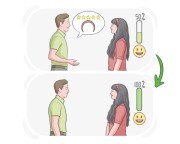
to tell a person that one admires something about them such as achievements, appearance, etc.
felicitar, halagar
Durante la entrevista, el reclutador felicitó al candidato por su impresionante currículum y habilidades relevantes.

to highly praise someone in an exaggerated or insincere way, especially for one's own interest
halagar, adulador
Ella halagó la cocina de su amiga, aunque la comida no cumplió con sus expectativas, para evitar herir sus sentimientos.

to intentionally say or do something that disrespects or humiliates someone
insultar
Ofrecer un cumplido ambiguo puede insultar sin querer a la persona que intentas elogiar.

to give a formal talk or presentation to teach someone or a group
dar una conferencia, impartir una clase
Al autor se le pidió que diera una conferencia en el festival literario, discutiendo el proceso creativo detrás de la escritura de una novela.
to annoy others constantly with endless complaints
molestar, fastidiar
Él molesta constantemente a sus colegas sobre su desempeño laboral.
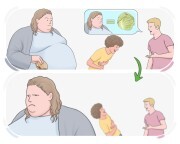
to cause someone to feel disrespected, upset, etc.
ofender
Compartir comentarios insensibles sobre los antecedentes de alguien puede fácilmente ofender y crear tensión.
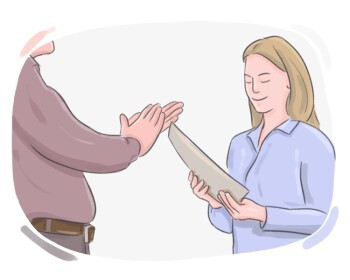
to express admiration or approval toward something or someone
elogiar, alabar
El gerente elogió al equipo por su arduo trabajo y dedicación, lo que llevó a un proyecto exitoso.
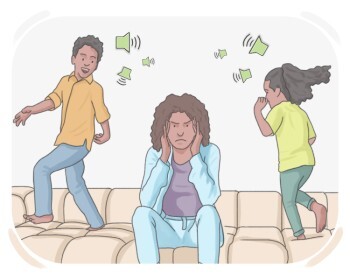
to playfully annoy someone by making jokes or sarcastic remarks
bromear, molestar juguetonamente
Los colegas en la oficina les gusta bromear para crear un ambiente relajado y amigable.

to express sharp disapproval or criticism of someone's behavior or actions
regañar, reprender
Fue regañado por su gerente por perder el plazo.

to tell someone in advance about a possible danger, problem, or unfavorable situation
advertir
El detective advirtió al testigo sobre las posibles amenazas a su seguridad.

a man that you love and are in a relationship with
novio
Sarah presentó a su nuevo novio, Alex, a sus amigos en la fiesta, y les cayó bien al instante.

someone with whom one works
colega
Durante el retiro anual de la empresa, tuve la oportunidad de estrechar lazos con colegas de diferentes departamentos, lo que ayudó a fortalecer nuestra red profesional.
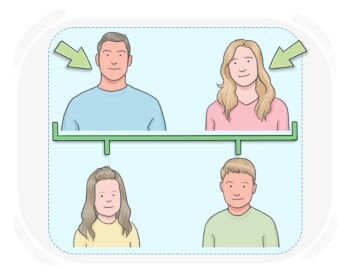
our mother or our father
padre o madre
Mi padre, una figura cariñosa y solidaria, siempre me animó a perseguir mis sueños.

someone whose job is to protect people, catch criminals, and make sure that laws are obeyed
policía
El oficial de policía arrestó al ladrón y recuperó los objetos robados.
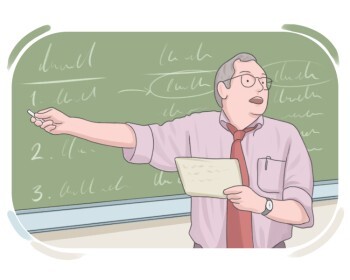
someone who teaches things to people, particularly in a school
profesor
El maestro corrigió mi error y explicó la solución correcta.
to express respect toward someone or something often due to qualities, achievements, etc.
admirar
Los colegas a menudo admiran a su líder de equipo por sus habilidades de liderazgo y dedicación.

to love and respect someone very much
adorar
Los niños adoran a su maestra por su paciencia y aliento.
used to say that one person has the same ideas, opinions, or mentality as another person
en la misma onda, pensar igual
Me gusta trabajar con ella porque solemos estar en la misma onda.

used when naming, or giving description or information about people, things, or situations
ser, estar, tener
La película era entretenida.

sharing a strong and intimate bond
cercano, íntimo
La pareja tenía una asociación estrecha, basada en la confianza y el respeto mutuo.
feeling or showing caution and attentiveness regarding possible dangers or problems
cauteloso, precavido
La empresa era cautelosa al entrar en asociaciones sin una investigación exhaustiva.

to feel unhappy or irritated because someone else has something that one desires
envidiar
Envidian la popularidad de sus compañeros de clase y desearían ser tan queridos.
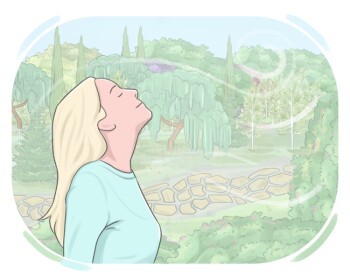
to experience a particular emotion
sentir
Ella se sintió avergonzada cuando se dio cuenta de su error.

feeling ashamed or apologetic about something that one has or has not done
arrepentido
Realmente lo siento por el error que cometí antes.
used to express that something is shared or has similarities with someone or something else
en común con, compartido con
El hotel tiene muchas características en común con otros resorts de cinco estrellas.

to regard someone or something as inferior or unworthy of respect or consideration
menospreciar, mirar por encima del hombro
El político arrogante menospreciaba a sus oponentes, descartando sus ideas como insignificantes.
to have a great deal of respect, admiration, or esteem for someone
admirar, tener respeto por
Él admira a su mentor para obtener orientación en su carrera.
to completely agree with someone and understand their point of view
estar totalmente de acuerdo, ver las cosas igual
