pattern

Książka Solutions - Średnio zaawansowany wyższy - Jednostka 5 - 5A

Tutaj znajdziesz słownictwo z Unit 5 - 5A w podręczniku Solutions Upper-Intermediate, takie jak "verbal", "flatter", "nag" itp.

Przegląd

Fiszki

formy

Pisownia

Test

Zacznij naukę
Solutions - Upper-Intermediate
to respect
to respect
[Czasownik]

to admire someone because of their achievements, qualities, etc.

szanować, podziwiać

szanować, podziwiać

Ex: I respect my grandfather for his wisdom and life experiences. 
to trust
to trust
[Czasownik]

to believe that someone is sincere, reliable, or competent

ufać, wierzyć

ufać, wierzyć

Ex: She regularly trusts her colleagues to complete tasks efficiently. 
verbal
verbal
[przymiotnik]

spoken rather than written

słowny, ustny

słowny, ustny

Ex: Police asked Emma for a verbal description of the man she had seen. 
interaction
interaction
[Rzeczownik]

the act of communicating or working together with someone or something

interakcja
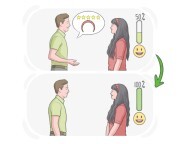
interakcja

Ex: Their interaction during the meeting led to a fruitful collaboration. 
to compliment
to compliment
[Czasownik]

to tell a person that one admires something about them such as achievements, appearance, etc.

komplementować, składać komplement

komplementować, składać komplement

Ex: During the interview, the recruiter complimented the candidate on their impressive resume and relevant skills. 

Podczas rozmowy rekruter pochwalił kandydata za imponujące CV i odpowiednie umiejętności.
to flatter
to flatter
[Czasownik]

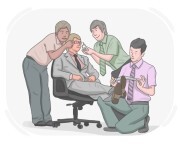
to highly praise someone in an exaggerated or insincere way, especially for one's own interest

schlebiać, pochlebiać

schlebiać, pochlebiać

Ex: The politician flattered the voters by making promises that were too good to be true, aiming to secure their support. 

Polityk pochlebiał wyborcom, składając obietnice, które były zbyt piękne, aby były prawdziwe, aby zapewnić sobie ich poparcie.

to insult
to insult
[Czasownik]

to intentionally say or do something that disrespects or humiliates someone

obrażać, upokarzać

obrażać, upokarzać

Ex: Offering a backhanded compliment can unintentionally insult the person you're trying to praise. 

Dwuznaczny komplement może niechcący obrazić osobę, którą próbujesz pochwalić.

to lecture
to lecture
[Czasownik]

to give a formal talk or presentation to teach someone or a group

wygłaszać wykład, uczyć

wygłaszać wykład, uczyć

Ex: The expert was invited to lecture at the conference, sharing insights on the latest advancements in technology. 
to nag
to nag
[Czasownik]

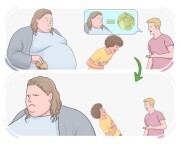
to annoy others constantly with endless complaints

marudzić, dociskać
marudzić, dociskać

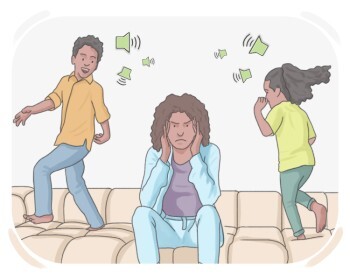
Ex: She nags her brother every morning to clean his room. 
to offend
to offend
[Czasownik]

to cause someone to feel disrespected, upset, etc.

obrażać, ranić

obrażać, ranić

Ex: Sharing insensitive comments about someone's background can easily offend them and create tension. 

Dzielenie się niewrażliwymi komentarzami na czyjś temat może łatwo obrazić i stworzyć napięcie.
to praise
to praise
[Czasownik]

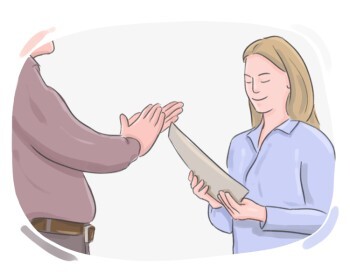
to express approval or admiration for someone or something

chwalić
chwalić

Ex: Her manager has repeatedly praised her attention to detail. 
to tease
to tease
[Czasownik]

to playfully annoy someone by making jokes or sarcastic remarks

dokuczać, prześmiewać

dokuczać, prześmiewać

Ex: Colleagues at the office like to tease each other to create a relaxed and friendly atmosphere. 

Koledzy w biurze lubią dokuczać sobie nawzajem, aby stworzyć zrelaksowaną i przyjazną atmosferę.
to tell off
to tell off
[Czasownik]

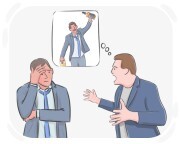
to express sharp disapproval or criticism of someone's behavior or actions

ostro skarcić, ostro skrytykować czyjeś zachowanie

ostro skarcić, ostro skrytykować czyjeś zachowanie

Ex: I didn’t mean to tell him off, but I was really frustrated. 

Nie chciałem go zbesztać, ale byłem naprawdę sfrustrowany.
to warn
to warn
[Czasownik]

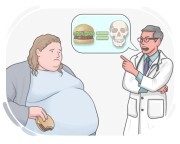
to tell someone in advance about a possible danger, problem, or unfavorable situation

ostrzegać, upominać

ostrzegać, upominać

Ex: The weather forecast warned residents of an approaching storm. 
boyfriend
boyfriend
[Rzeczownik]

a man or boy with whom someone is having a romantic relationship

chłopak, partner

chłopak, partner

Ex: Lisa met her boyfriend while they were both in college. 
colleague
colleague
[Rzeczownik]

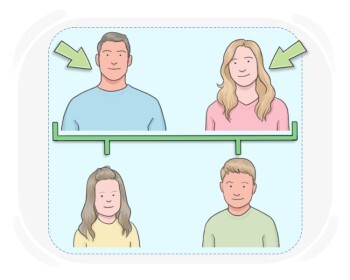
someone with whom one works

kolega, współpracownik
kolega, współpracownik

Ex: My colleague and I collaborated on a project that received high praise from our manager for its innovative approach. 
parent
parent
[Rzeczownik]

our mother or our father

rodzic, matka lub ojciec
rodzic, matka lub ojciec

Ex: As a single parent, she worked tirelessly to provide for her family and ensure their well-being. 
police officer
police officer
[Rzeczownik]

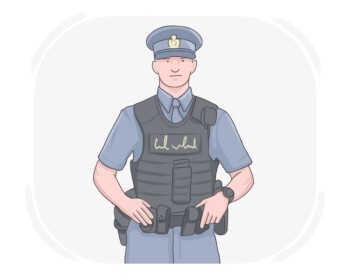
someone whose job is to protect people, catch criminals, and make sure that laws are obeyed

funkcjonariusz policji, policjant
funkcjonariusz policji, policjant

Ex: The police officer wears a uniform and a badge. 
teacher
teacher
[Rzeczownik]

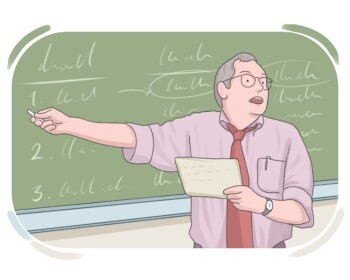
someone who teaches things to people, particularly in a school

nauczyciel, wykładowca

nauczyciel, wykładowca

Ex: I raised my hand to give an answer when the teacher asked a question. 
to admire
to admire
[Czasownik]

to respect and approve of someone or something because of their qualities, achievements, or actions

podziwiać, szanować

podziwiać, szanować

Ex: We admired the courage shown by the rescue workers. 
to adore
to adore
[Czasownik]

to love and respect someone very much

uwielbiać, czcić

uwielbiać, czcić

Ex: I adore my dog for his loyalty and companionship. 

Uwielbiam mojego psa za jego lojalność i towarzystwo.

on the same wavelength

used to say that one person has the same ideas, opinions, or mentality as another person

na tej samej fali, nadawać na tych samych falach

na tej samej fali, nadawać na tych samych falach

Ex: They are both quiet, thoughtful people, so they are on the same wavelength. 

Oboje są spokojni i refleksyjni, więc są na tej samej fali.

to be
to be
[Czasownik]

used when naming, or giving description or information about people, things, or situations

być, znajdować się

być, znajdować się

Ex: This plant is a sunflower. 
close
close
[przymiotnik]

sharing a strong and intimate bond

bliski,  intymny

bliski, intymny

Ex: They have a close friendship that has lasted for years. 
wary
wary
[przymiotnik]

feeling or showing caution and attentiveness regarding possible dangers or problems

ostrożny, podejrzliwy

ostrożny, podejrzliwy

Ex: She was wary of giving out personal information to unknown callers. 

Była ostrożna, jeśli chodzi o podawanie danych osobowych nieznajomym dzwoniącym.
to envy
to envy
[Czasownik]

to feel unhappy or irritated because someone else has something that one desires

zazdrościć

zazdrościć

Ex: I envy my sister's natural talent for music and wish I could play an instrument as well as she does. 

Zazdroszczę mojej siostrze naturalnego talentu do muzyki i chciałbym móc grać na instrumencie tak dobrze jak ona.
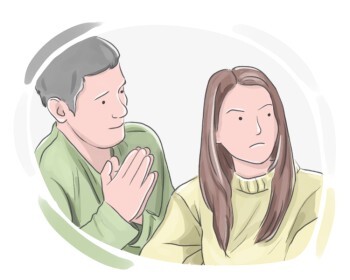
to feel
to feel
[Czasownik]

to experience a particular emotion

czuć, doznawać
czuć, doznawać

Ex: After watching the emotional movie, he felt sad for hours. 
sorry
sorry
[przymiotnik]

feeling ashamed or apologetic about something that one has or has not done

przepraszający, żałujący

przepraszający, żałujący

Ex: He felt sorry for forgetting his friend's birthday and apologized immediately. 
in common with
in common with
[przysłówek]

used to express that something is shared or has similarities with someone or something else

wspólne z, dzielone z

wspólne z, dzielone z

Ex: The artist’s style is in common with other painters from the same era. 

Styl artysty jest wspólny z innymi malarzami z tego samego okresu.
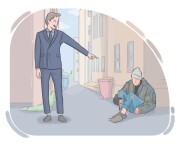
to look down on
to look down on
[Czasownik]

to regard someone or something as inferior or unworthy of respect or consideration

uważać kogoś lub coś za gorsze lub niegodne szacunku, patrzeć na kogoś z góry

uważać kogoś lub coś za gorsze lub niegodne szacunku, patrzeć na kogoś z góry

Ex: The overconfident athlete looked down on his competitors, believing he was superior in every way. 

Zbyt pewny siebie sportowiec patrzył z góry na swoich rywali, wierząc, że jest pod każdym względem lepszy.

to look up to
to look up to
[Czasownik]

to have a great deal of respect, admiration, or esteem for someone

podziwiać, szanować

podziwiać, szanować

Ex: It’s inspiring to see someone so many people look up to. 

To inspirujące widzieć kogoś, kogo tak wielu ludzi podziwia.

to [see] eye to eye

to completely agree with someone and understand their point of view

w pełni się zgadzać, patrzeć na sprawę tak samo

w pełni się zgadzać, patrzeć na sprawę tak samo

Ex: They rarely see eye to eye on politics. 
LanGeek
Pobierz aplikację LanGeek