pattern

El libro Interchange - Principiante - Unidad 15

Aquí encontrarás el vocabulario de la Unidad 15 del libro de curso Interchange Beginner, como "levantar", "afortunado", "cultura", etc.

Revisión

Tarjetas de memoria

formas

Ortografía

Cuestionario

Empezar a aprender
Interchange - Beginner
rice
rice
[Sustantivo]

a small and short grain that is white or brown and usually grown and eaten a lot in Asia

arroz

arroz

Ex: Rice is a staple food in many Asian countries. 

El arroz es un alimento básico en muchos países asiáticos.

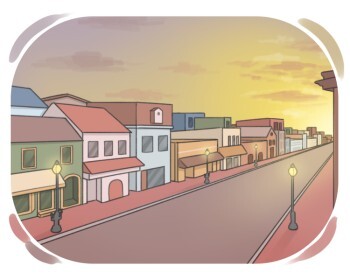
town
town
[Sustantivo]

an area with human population that is smaller than a city and larger than a village

pueblo

pueblo

Ex: She volunteers at the town library to help with organizing books. 

Ella es voluntaria en la biblioteca municipal para ayudar con la organización de los libros.

colorful
colorful
[Adjetivo]

having a lot of different and often bright colors

colorido

colorido

Ex: The butterfly's wings were strikingly colorful with intricate patterns. 

Las alas de la mariposa eran llamativamente coloridas con patrones intrincados.
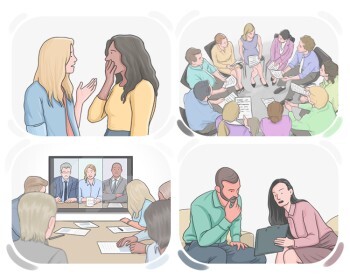
to communicate

to exchange information, news, ideas, etc. with someone

comunicarse

comunicarse

Ex: He is communicating with colleagues through instant messaging. 

Él se comunica con sus colegas a través de mensajería instantánea.

to raise
to raise
[Verbo]

to put something or someone in a higher place or lift them to a higher position

levantar
levantar

Ex: She raised both arms above her head. 

Ella levantó ambos brazos por encima de su cabeza.

lucky
lucky
[Adjetivo]

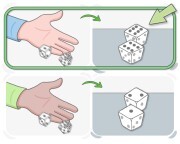
having or bringing good luck

afortunado
afortunado

Ex: He's a lucky guy to have such an understanding partner. 

Es un afortunado por tener una pareja tan comprensiva.

charity
charity
[Sustantivo]

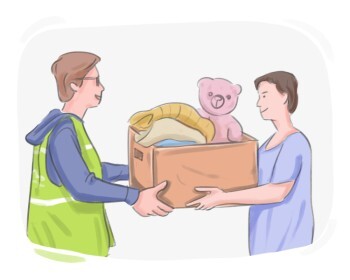
an organization that helps those in need by giving them money, food, etc.

organización benéfica
organización benéfica

Ex: The charity event raised enough money to help hundreds of families in need. 

El evento de caridad recaudó suficiente dinero para ayudar a cientos de familias necesitadas.

where
where
[Adverbio]

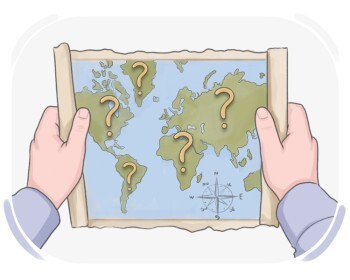
in what place, situation, or position

dónde
dónde

Ex: The kids are playing; do you know where they are? 

Los niños están jugando; ¿sabes dónde están?

born
born
[Adjetivo]

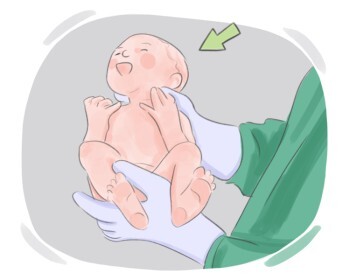
brought to this world through birth

nacido

nacido

Ex: Emily's love for music was evident from the day she was born, as she would calm down immediately upon hearing melodies. 

El amor de Emily por la música era evidente desde el día en que nació, ya que se calmaba de inmediato al escuchar melodías.

japan
japan
[Sustantivo]

a country that is in East Asia and made up of many islands

Japón

Japón

Ex: Japan has a rich culinary heritage, famous for sushi, ramen, and tempura. 

Japón tiene una rica herencia culinaria, famosa por el sushi, el ramen y el tempura.
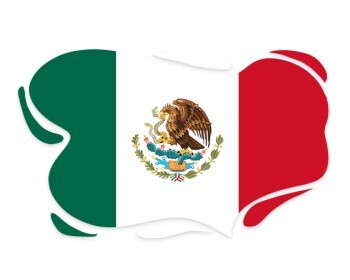
Mexico
Mexico
[Sustantivo]

a country located in North America that is bordered by the United States to the north

México

México

Ex: Mexico City, the capital, is one of the largest cities in the world and boasts numerous museums, parks, and historical sites. 

México, la capital, es una de las ciudades más grandes del mundo y cuenta con numerosos museos, parques y sitios históricos.

South Korea
South Korea
[Sustantivo]

a country located in East Asia, sharing a border with North Korea to the north, and China and Japan to the east and west respectively

Corea del Sur

Corea del Sur

Ex: The cherry blossoms in South Korea attract visitors every spring. 

Los cerezos en flor en Corea del Sur atraen visitantes cada primavera.

bilingual
bilingual
[Adjetivo]

able to speak, understand, or use two languages fluently

bilingüe

bilingüe

Ex: The company prefers to hire bilingual employees to cater to a diverse customer base. 

La empresa prefiere contratar empleados bilingües para atender a una base de clientes diversa.

to grow up
to grow up
[Verbo]

to change from being a child into an adult little by little

crecer

crecer

Ex: She grew up with her cousins in the same house. 

Ella creció con sus primos en la misma casa.
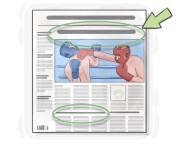
major
major
[Adjetivo]

serious and of great importance

importante

importante

Ex: The major breakthrough in medical research led to the development of a new treatment. 

El avance importante en la investigación médica condujo al desarrollo de un nuevo tratamiento.

photographer
photographer
[Sustantivo]

someone whose hobby or job is taking photographs

fotógrafo

fotógrafo

Ex: He started his career as a photographer for a local newspaper. 

Comenzó su carrera como fotógrafo para un periódico local.

hairstylist
hairstylist
[Sustantivo]

someone whose job is to cut people's hair or arrange it

estilista

estilista

Ex: I have an appointment with my hairstylist on Friday. 

Tengo una cita con mi peluquero el viernes.

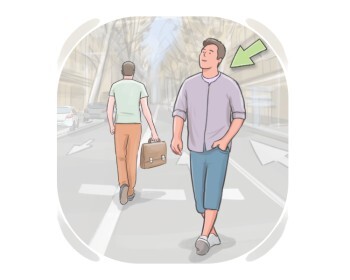
to do
to do
[Verbo]

to perform an action that is not mentioned by name

hacer
hacer

Ex: In times of crisis, people often come together to do whatever is necessary. 

En tiempos de crisis, la gente a menudo se une para hacer lo que sea necesario.

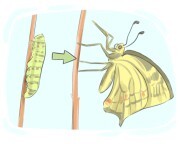
to come
to come
[Verbo]

to move toward a location that the speaker considers to be close or relevant to them

venir
venir

Ex: Please come to the front of the classroom to present your project. 

Por favor, ven al frente del aula para presentar tu proyecto.

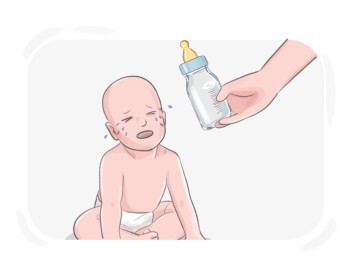
to become
to become
[Verbo]

to start or grow to be

convertirse en, volverse, hacerse, llegar a ser
convertirse en, volverse, hacerse, llegar a ser

Ex: I became interested in photography after attending a workshop. 

Me volví interesado en la fotografía después de asistir a un taller.

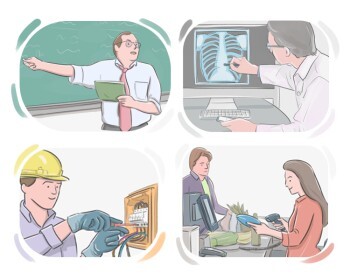
to need
to need
[Verbo]

to want something or someone that we must have if we want to do or be something

necesitar
necesitar

Ex: She needs a ride to the airport tomorrow. 

Ella necesita un viaje al aeropuerto mañana.

to work
to work
[Verbo]

to do certain physical or mental activities in order to achieve a result or as a part of our job

trabajar

trabajar

Ex: They can't work if the internet is down. 

No pueden trabajar si Internet no funciona.

auditorium
auditorium
[Sustantivo]

the part of a theater, concert hall, or other venue where the audience sits to watch a performance

auditorio

auditorio

Ex: The school assembly was held in the auditorium, where students gathered to listen to announcements and performances. 

La asamblea escolar se llevó a cabo en el auditorio, donde los estudiantes se reunieron para escuchar anuncios y actuaciones.
cafeteria
cafeteria
[Sustantivo]

a restaurant, typically in colleges, hospitals, etc. where you choose and pay for your meal before carrying it to a table

cafetería

cafetería

Ex: The cafeteria offers a variety of delicious sandwiches and salads. 

La cafetería ofrece una variedad de deliciosos sándwiches y ensaladas.
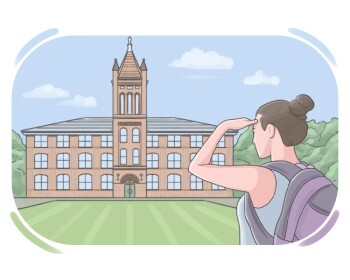
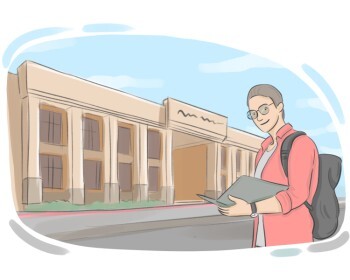
college
college
[Sustantivo]

an institution that offers higher education or specialized trainings for different professions

universidad

universidad

Ex: They are preparing for their final exams at college. 

Se están preparando para sus exámenes finales en la universidad.

computer
computer
[Sustantivo]

an electronic device that stores and processes data

computadora, ordenador
computadora, ordenador

Ex: She customized the desktop wallpaper on her computer. 

Ella personalizó el fondo de pantalla del escritorio en su computadora.

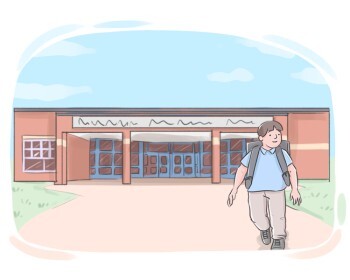
elementary school
elementary school
[Sustantivo]

a primary school for the first six or eight grades

escuela primaria

escuela primaria

Ex: In the United States, children attend elementary school before moving on to middle school. 

En los Estados Unidos, los niños asisten a la escuela primaria antes de pasar a la escuela secundaria.

geography
geography
[Sustantivo]

the scientific study of the physical features of the Earth and its atmosphere, divisions, products, population, etc.

geografía

geografía

Ex: She used maps and atlases to study the geography of different regions. 

Ella usó mapas y atlas para estudiar la geografía de diferentes regiones.

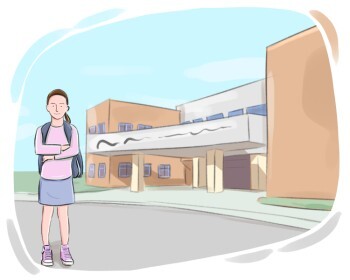
high school
high school
[Sustantivo]

a secondary school typically including grades 9 through 12

escuela secundaria

escuela secundaria

Ex: Extracurricular activities, such as sports teams, drama clubs, and student government, play an important role in high school, helping students build friendships and develop leadership skills. 

Las actividades extracurriculares, como los equipos deportivos, los clubes de teatro y el gobierno estudiantil, desempeñan un papel importante en la escuela secundaria, ayudando a los estudiantes a construir amistades y desarrollar habilidades de liderazgo.
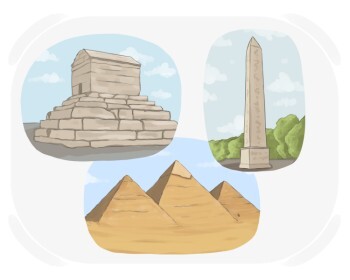
history
history
[Sustantivo]

the study of past events, especially as a subject in school or university

historia
historia

Ex: She wants to pursue a degree in history and become a historian. 

Ella quiere obtener un título en historia y convertirse en historiadora.

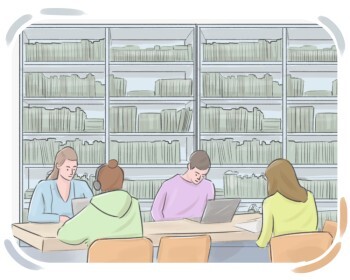
library
library
[Sustantivo]

a place in which collections of books and sometimes newspapers, movies, music, etc. are kept for people to read or borrow

biblioteca
biblioteca

Ex: The university library has an extensive collection of academic journals. 

La biblioteca universitaria tiene una extensa colección de revistas académicas.

middle school
middle school
[Sustantivo]

(in the US and Canada) a junior high school; a school for children between the ages of about 11 and 14

escuela secundaria

escuela secundaria

Ex: He made many new friends during his first year of middle school. 

Hizo muchos amigos nuevos durante su primer año de escuela secundaria.

physical education
physical education
[Sustantivo]

sport, physical exercise, and games that are taught as a subject in schools

educación física

educación física

Ex: The school invested in new equipment to enhance their physical education program. 

La escuela invirtió en nuevos equipos para mejorar su programa de educación física.

science
science
[Sustantivo]

knowledge about the structure and behavior of the natural and physical world, especially based on testing and proving facts

ciencia
ciencia

Ex: She learns about the laws of physics and the properties of matter in her science lessons. 

Ella aprende sobre las leyes de la física y las propiedades de la materia en sus clases de ciencia.

culture
culture
[Sustantivo]

the general beliefs, customs, and lifestyles of a specific society

cultura

cultura

Ex: Our school promotes a culture of respect and kindness. 

Nuestra escuela promueve una cultura de respeto y amabilidad.

island
island
[Sustantivo]

a piece of land surrounded by water

isla
isla

Ex: The island had stunning sunsets that painted the sky with vibrant hues. 

La isla tenía atardeceres impresionantes que pintaban el cielo con tonos vibrantes.

busy
busy
[Adjetivo]

having so many things to do in a way that leaves not much free time

ocupado

ocupado

Ex: In the bustling city, people are constantly busy with work, errands, and social commitments. 

En la bulliciosa ciudad, la gente está constantemente ocupada con el trabajo, los recados y los compromisos sociales.

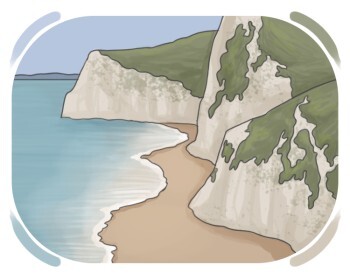
sight
sight
[Sustantivo]

an instance or act of seeing something through visual perception

vista,  visión
vista, visión

Ex: The sight of her old friends at the reunion filled her with joy. 

La vista de sus viejos amigos en la reunión la llenó de alegría.

beach
beach
[Sustantivo]

an area of sand or small stones next to a sea or a lake

playa

playa

Ex: The beach is a great place to relax and unwind during vacation. 

La playa es un lugar excelente para relajarse y desconectar durante las vacaciones.

neighborhood
neighborhood
[Sustantivo]

the area around someone, somewhere, or something

barrio

barrio

Ex: Apartments in the neighborhood of downtown New York City come with a premium price tag. 

Los apartamentos en el vecindario del centro de la ciudad de Nueva York tienen un precio premium.

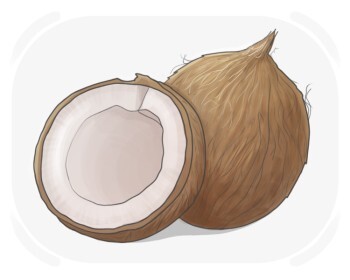
coconut
coconut
[Sustantivo]

a large fruit with a hard shell and edible white flesh inside containing a milky liquid

coco

coco

Ex: He used shredded coconut as a topping for his morning oatmeal, adding a hint of sweetness and texture. 

Usó coco rallado como topping para su avena matutina, añadiendo un toque de dulzura y textura.

laboratory
laboratory
[Sustantivo]

a place where people do scientific experiments, manufacture drugs, etc.

laboratorio

laboratorio

Ex: Forensic laboratories analyze evidence collected from crime scenes to aid in investigations. 

Los laboratorios forenses analizan pruebas recolectadas en escenas del crimen para ayudar en las investigaciones.

the United States
the United States
[Sustantivo]

a country in North America that has 50 states

Estados Unidos

Estados Unidos

Ex: The history of the United States includes significant events like the Civil War. 

La historia de los Estados Unidos incluye eventos significativos como la Guerra Civil.

United Kingdom
United Kingdom
[Sustantivo]

a country in northwest Europe, consisting of England, Scotland, Wales, and Northern Ireland

Reino Unido

Reino Unido

Ex: London is the capital city of the United Kingdom and a major cultural and economic hub. 

Londres es la capital del Reino Unido y un importante centro cultural y económico.

LanGeek
Descargar la aplicación LanGeek