pattern

本 Interchange - 初級 - ユニット15

ここでは、Interchange Beginnerコースブックのユニット15からの語彙を見つけることができます。例えば、「上げる」、「幸運」、「文化」などです。

復習

フラッシュカード

綴り

クイズ
学習を開始
Interchange - Beginner
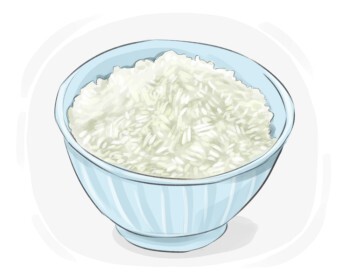
rice
rice
[名詞]

the small edible grains of a cereal plant that are cooked and eaten as food

米
米

Ex: Emma cooked rice to serve with the chicken. 
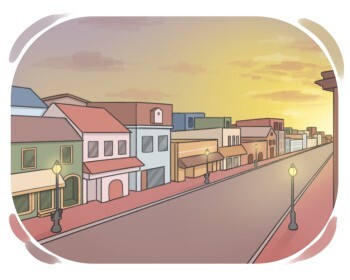
town
town
[名詞]

an area with human population that is smaller than a city and larger than a village

町,街

町,街

Ex: They decorate the town square for holidays and special occasions. 

彼らは休日や特別な機会のために町を飾ります。

colorful
colorful
[形容詞]

having a lot of different and often bright colors

カラフルな,多彩な

カラフルな,多彩な

Ex: The art gallery displayed a collection of colorful paintings and sculptures. 

美術館はカラフルな絵画や彫刻のコレクションを展示しました。

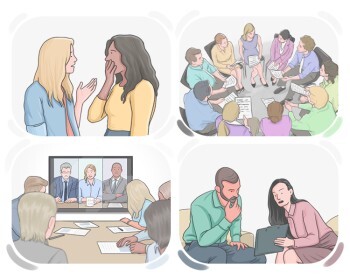
to communicate

to exchange information, ideas, or feelings with another person or group

コミュニケーションをとる, 連絡する
コミュニケーションをとる, 連絡する

Ex: Emma communicates with her parents by video call every weekend. 
to raise
to raise
[動詞]

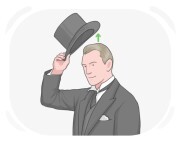
to lift or move someone or something to a higher position
Ex: She raised her hand to ask a question. 
lucky
lucky
[形容詞]

having or bringing good luck

幸運な,縁起の良い

幸運な,縁起の良い

Ex: We were lucky that the rain stopped just as the event started. 

イベントが始まったちょうどその時に雨が止んで、私たちは運が良かった。

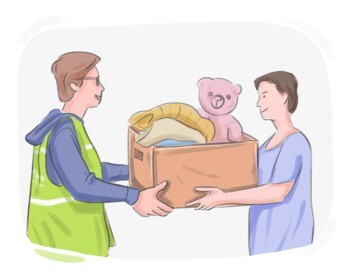
charity
charity
[名詞]

an organization that helps those in need by giving them money, food, etc.

慈善,慈善団体

慈善,慈善団体

Ex: He volunteers at a local charity that distributes food to the needy. 

彼は、貧しい人々に食料を配布する地元の慈善団体でボランティアをしています。

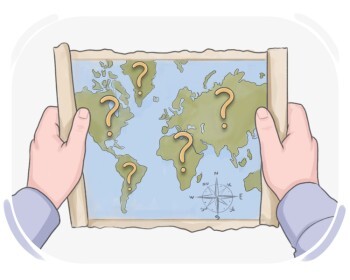
where
where
[副詞]

in what place, situation, or position

どこ,どのような状況で

どこ,どのような状況で

Ex: Do you know where I can find a good restaurant? 

いいレストランがどこにあるか知っていますか?

born
born
[形容詞]

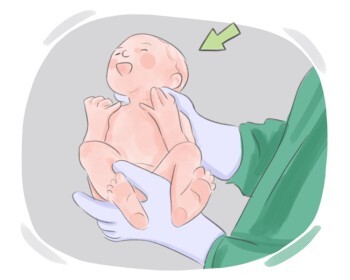
brought to this world through birth

生まれた,出生した

生まれた,出生した

Ex: Sarah was born on a warm summer morning, bringing joy and happiness to her family. 

サラは暖かい夏の朝に生まれ、家族に喜びと幸福をもたらしました。

japan
japan
[名詞]

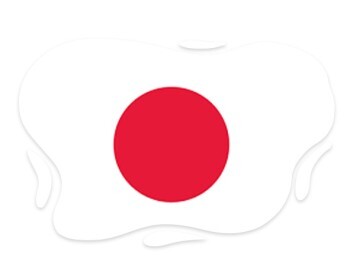
a country that is in East Asia and made up of many islands

日本

日本

Ex: Japan is renowned for its unique blend of traditional culture and modern technology. 

日本は伝統文化と現代技術のユニークな融合で有名です。

Mexico
Mexico
[名詞]

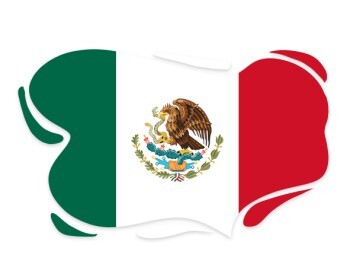
a country in North America south of the United States

メキシコ, メキシコ

メキシコ, メキシコ

Ex: Mexico shares a long border with the United States. 
South Korea
South Korea
[名詞]

a country located in East Asia, sharing a border with North Korea to the north, and China and Japan to the east and west respectively

韓国,韓国

韓国,韓国

Ex: South Korea is famous for its K-pop music and entertainment. 

韓国はK-pop音楽とエンターテインメントで有名です。

bilingual
bilingual
[形容詞]

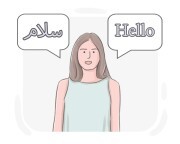
able to speak, understand, or use two languages fluently

二言語を話せる

二言語を話せる

Ex: Growing up in a bilingual household, she effortlessly switched between English and Spanish. 

バイリンガルの家庭で育った彼女は、英語とスペイン語を簡単に切り替えました。

to grow up
to grow up
[動詞]

to change from being a child into an adult little by little

成長する, 大人になる

成長する, 大人になる

Ex: Many children dream of what they want to be when they grow up. 

多くの子供たちは、大人になったら何になりたいか夢見ます。

major
major
[形容詞]

serious and of great importance

重要な,深刻な

重要な,深刻な

Ex: His major contribution to the field of science earned him international recognition. 

科学分野への彼の主要な貢献が、国際的な評価を得ました。

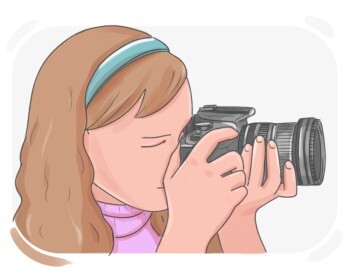
photographer
photographer
[名詞]

a person who takes photographs as a job or hobby

写真家, フォトグラファー

写真家, フォトグラファー

Ex: Emma works as a professional photographer. 
hairstylist
hairstylist
[名詞]

someone whose job is to cut people's hair or arrange it

美容師,ヘアスタイリスト

美容師,ヘアスタイリスト

Ex: After training for a year, she became a certified hairstylist. 

1年間のトレーニングの後、彼女は認定ヘアスタイリストになりました。

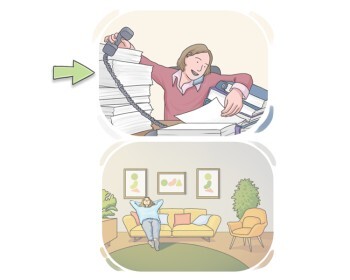
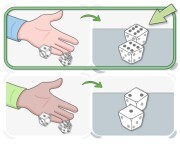
to do
to do
[動詞]

to perform an action that is not mentioned by name

する,行う

する,行う

Ex: What should we do now? 
to come
to come
[動詞]

to move toward a location that the speaker considers to be close or relevant to them

来る,到着する
来る,到着する

Ex: Come over here for a second. 
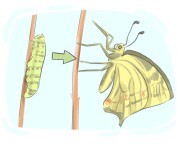
to become
to become
[動詞]

to begin to be something or develop into a particular state, condition, or role
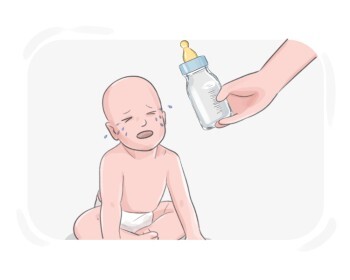
Ex: Daniel became a doctor after completing six years of medical training. 
to need
to need
[動詞]

to want something or someone that we must have if we want to do or be something

必要とする,要する

必要とする,要する

Ex: The car needs a new battery to start. 

車を始動させるには新しいバッテリーが必要です。

to work
to work
[動詞]

to do certain physical or mental activities in order to achieve a result or as a part of our job

働く

働く

Ex: They work hard to meet the deadline. 

彼らは締め切りに間に合わせるために一生懸命働いています。

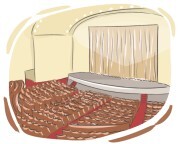
auditorium
auditorium
[名詞]

the part of a theater, concert hall, or other venue where the audience sits to watch a performance

講堂,観客席

講堂,観客席

Ex: The auditorium was filled to capacity with eager spectators awaiting the start of the theatrical production. 

講堂は、演劇の始まりを待ちわびる熱心な観客でいっぱいでした。

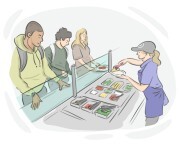
cafeteria
cafeteria
[名詞]

a restaurant, typically in colleges, hospitals, etc. where you choose and pay for your meal before carrying it to a table

カフェテリア,食堂

カフェテリア,食堂

Ex: The cafeteria is a popular place for students to socialize during break time. 

カフェテリアは、休憩時間に学生が交流する人気のある場所です。

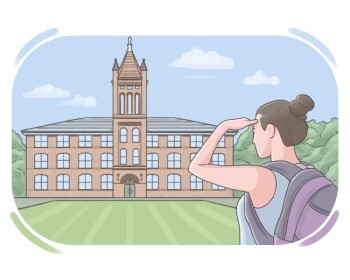
college
college
[名詞]

an institution that offers higher education or specialized trainings for different professions

大学,カレッジ

大学,カレッジ

Ex: We have access to a library with extensive resources at college. 

私たちは大学で広範なリソースを持つ図書館にアクセスできます。

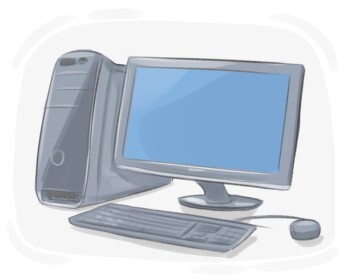
computer
computer
[名詞]

an electronic device that stores and processes data

コンピュータ,計算機

コンピュータ,計算機

Ex: She uses a computer to create digital art. 

彼女はデジタルアートを作成するためにコンピュータを使います。

elementary school

a primary school for the first six or eight grades

小学校,初等学校

小学校,初等学校

Ex: She enrolled her daughter in the nearest elementary school for the first grade. 

彼女は娘を最寄りの小学校の一年生に入学させた。

geography
geography
[名詞]

the study of Earth's physical features, environments, populations, and the ways people and places relate to one another

地理学
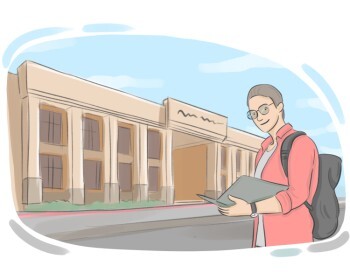
地理学

Ex: Emma studied geography at college before becoming a teacher. 
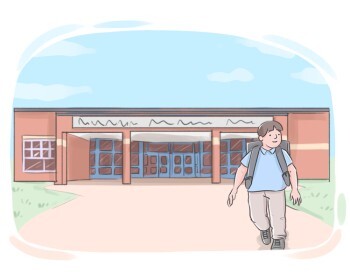
high school
high school
[名詞]

a secondary school typically including grades 9 through 12

高等学校,高校

高等学校,高校

Ex: High school is a pivotal time in a teenager's life, as it not only focuses on academic achievement but also on personal growth and social development. 

高校は、十代の人生において極めて重要な時期であり、学業の達成だけでなく、個人の成長や社会的発展にも焦点を当てています。
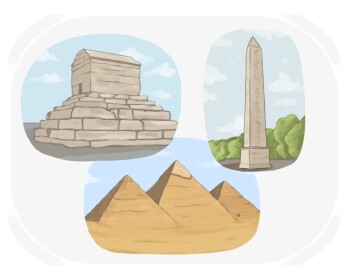
history
history
[名詞]

the study of past events, especially as a subject in school or university

歴史,世界史

歴史,世界史

Ex: We have a history exam next week, so I need to study. 

来週歴史の試験があるので、勉強する必要があります。

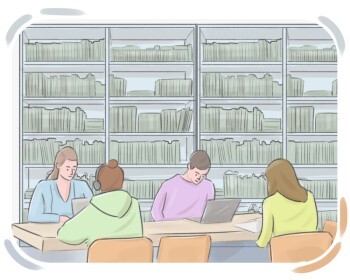
library
library
[名詞]

a place in which collections of books and sometimes newspapers, movies, music, etc. are kept for people to read or borrow

図書館

図書館

Ex: I returned the books I borrowed to the library yesterday. 

私は昨日借りた本を図書館に返しました。

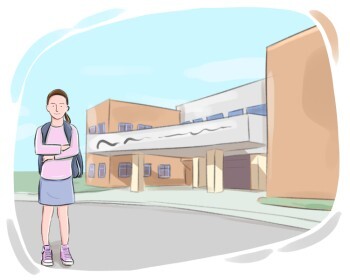
middle school

(in the US and Canada) a junior high school; a school for children between the ages of about 11 and 14

中学校,中等学校

中学校,中等学校

Ex: She started attending middle school at the age of 11. 

彼女は11歳で中学校に通い始めました。

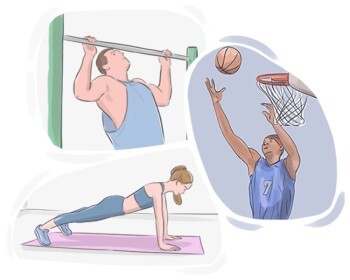
physical education

sport, physical exercise, and games that are taught as a subject in schools

体育,体育教育

体育,体育教育

Ex: Physical education classes are held twice a week to keep students active and healthy. 

生徒を活発で健康に保つために、体育の授業は週に2回行われます。

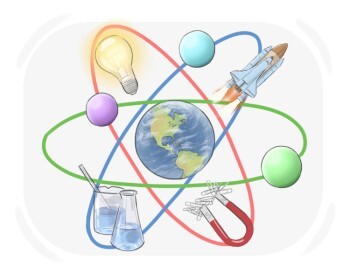
science
science
[名詞]

knowledge about the structure and behavior of the natural and physical world, especially based on testing and proving facts

科学

科学

Ex: We discuss current scientific advancements and discoveries in science class. 

私たちは科学の授業で現在の科学的進歩と発見について議論します。

culture
culture
[名詞]

the general beliefs, customs, and lifestyles of a specific society

文化

文化

Ex: The culture of the native tribes is full of fascinating rituals. 

先住民の文化は魅力的な儀式に満ちています。

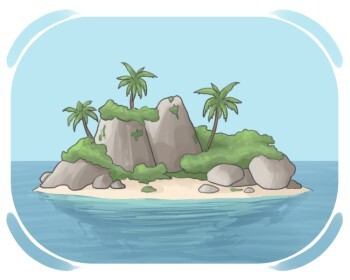
island
island
[名詞]

a piece of land surrounded by water

島,小島

島,小島

Ex: We took a boat to the tropical island and spent the day lounging on the sandy beach. 

私たちはボートで熱帯の島に行き、砂浜でのんびりと一日を過ごしました。

busy
busy
[形容詞]

having so many things to do in a way that leaves not much free time

忙しい,多忙な

忙しい,多忙な

Ex: As a small business owner, Mark is always busy with managing orders, inventory, and customer inquiries. 

小さなビジネスのオーナーとして、マークは注文、在庫、顧客の問い合わせの管理で常に忙しい。

sight
sight
[名詞]

an instance or act of seeing something through visual perception

光景, 視覚

光景, 視覚

Ex: He was awestruck by the sight of the majestic waterfall. 

彼は雄大な滝の光景に畏敬の念を抱いた。

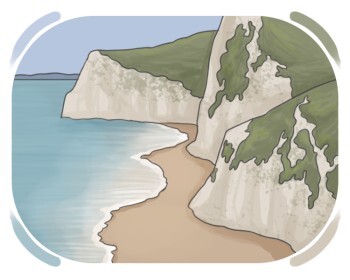
beach
beach
[名詞]

an area of sand or small stones next to a sea or a lake

ビーチ,海岸

ビーチ,海岸

Ex: The beach was crowded with people enjoying the sun and surf. 

ビーチは太陽と波を楽しむ人々で混雑していました。

neighborhood
neighborhood
[名詞]

the area surrounding or near a particular person, place, or thing

近所, 周辺
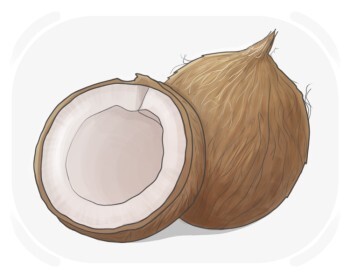
近所, 周辺

Ex: Police searched the neighborhood around the school. 
coconut
coconut
[名詞]

a large fruit with a hard shell and edible white flesh inside containing a milky liquid

ココナッツ,椰子の実

ココナッツ,椰子の実

Ex: She cracked open a coconut to enjoy its refreshing water on a hot day at the beach. 

彼女はビーチで暑い日にそのさわやかな水を楽しむためにココナッツを割りました。
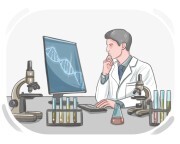
laboratory
laboratory
[名詞]

a room or building equipped for scientific research, experiments, testing, or the production of chemicals or medicines

実験室, ラボ
実験室, ラボ

Ex: Students carried out the experiment in the chemistry laboratory. 
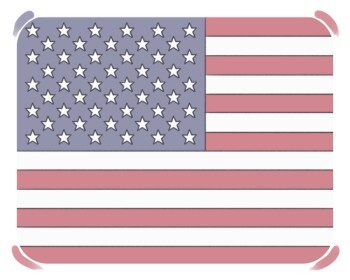
the United States

a country in North America that has 50 states

アメリカ合衆国

アメリカ合衆国

Ex: She plans to visit the United States next summer to see New York and California. 

彼女は次の夏にニューヨークとカリフォルニアを見るためにアメリカ合衆国を訪れる予定です。

United Kingdom

a country in northwest Europe, consisting of England, Scotland, Wales, and Northern Ireland

イギリス

イギリス

Ex: The United Kingdom is known for its music scene, with iconic bands like The Beatles and Queen originating from the country. 

イギリスは、The BeatlesやQueenのような象徴的なバンドが生まれた国として、その音楽シーンで知られています。

LanGeek
LanGeekアプリをダウンロード