
El libro Insight - Avanzado - Unidad 2 - 2C
Aquí encontrarás el vocabulario de la Unidad 2 - 2C del libro de curso Insight Advanced, como "acusado", "poner en peligro", "testimonio", etc.
Revisión
Tarjetas de memoria
formas
Ortografía
Cuestionario


to not let any harm come to someone or something

defender
Los padres defienden instintivamente a sus hijos de las amenazas potenciales.

a person in a law court who is sued by someone else or is accused of committing a crime
acusado
El abogado defensor interrogó al testigo para poner en duda la participación del acusado.
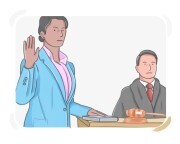
to make a statement as a witness in court saying something is true
testificar, declarar
Se puede llamar a los expertos a testificar respecto a sus opiniones profesionales sobre un caso.
a formal statement saying something is true, particularly made by a witness in court
testimonio, declaración
Su testimonio fue crucial para establecer la culpabilidad del acusado.
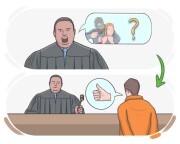
to state in a court of law, in front of the judge and the jury, whether someone is guilty or not guilty of a crime
defender
En el tribunal, el acusado se levantó y declaró firmemente: "Pleiteo inocente, Su Señoría."
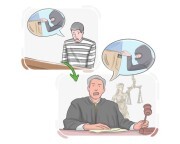
to admit, especially to the police or legal authorities, that one has committed a crime or has done something wrong
confesar
Las fuerzas del orden animan a los individuos a confesar ya que puede contribuir a resolver los casos de manera más eficiente.
an acknowledgment of having committed a wrong, shameful, or embarrassing act
confesión
La confesión de su celos sorprendió a todos.
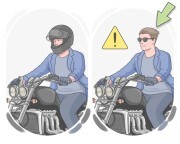
to put something or someone in danger
poner en peligro
Saltarse las comprobaciones de seguridad podría poner en peligro la integridad de todo el proyecto.
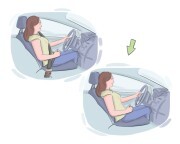
in the risk of being harmed, damaged, or destroyed
peligro
El futuro de la empresa está en peligro después del escándalo financiero.
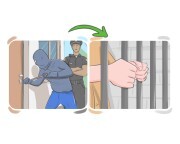
to impose a punishment on someone for a wrongdoing or violation
sancionar, penalizar
Las empresas pueden penalizar a los empleados por incumplir los estándares éticos mediante acciones disciplinarias.
a punishment given for breaking a rule, law, or legal agreement
castigo
La penalización por no asistir a la reunión obligatoria fue una deducción en el pago.
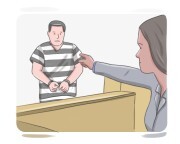
to try to charge someone officially with a crime in a court as the lawyer of the accuser
procesar
La fiscalía optó por no procesar, citando pruebas insuficientes.
the process of bringing someone to court in an attempt to prove their guilt
enjuiciamiento
Tras el arresto, la fiscalía procedió con los cargos.
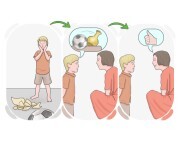
to release someone from blame, guilt, or obligation, clearing them of any wrongdoing
absolver
Después de una investigación exhaustiva, el comité decidió absolver al empleado de cualquier mala conducta.
an official judgment in court of law that declares someone not guilty of the crime they were charged with
absolución, exculpación
El abogado defensor argumentó de manera persuasiva, lo que llevó a la absolución de su cliente a pesar del caso de la fiscalía.
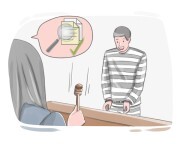
to officially decide and declare in a law court that someone is not guilty of a crime
absolver
El mes pasado, el tribunal absolvió al acusado después de un juicio exhaustivo.
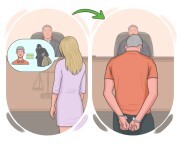
to involve or suggest someone's participation or connection in a crime or wrongdoing
implicar
Las pruebas presentadas en el tribunal buscaban implicar al sospechoso en el robo.
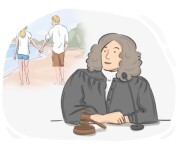
to clear someone from blame or responsibility for a wrongdoing or crime, often through evidence
exonerar
Los esfuerzos diligentes del equipo legal ayudaron a exonerar a la persona inocente del crimen.
to send a case back to a court of lower authority for additional reconsideration or review
remitir
El Tribunal Supremo devolvió el caso al tribunal inferior, citando errores en los procedimientos del juicio original.
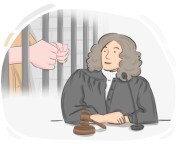
to announce officially that someone is guilty of a crime in a court of law
condenar
El fiscal trabajó diligentemente para construir un caso sólido que condenaría al acusado.
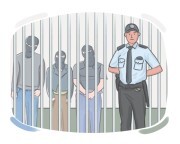
to officially hold someone in a place, such as a jail, and not let them go
detener, arrestar
Durante la investigación, las fuerzas del orden tienen el poder de detener a individuos sospechosos de un delito.
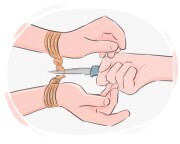
to let someone leave a place in which they have been confined or stuck
liberar
Liberaron al pájaro de la jaula, y voló felizmente.
