pattern

El libro Insight - Avanzado - Perspectiva del Vocabulario 1

Aquí encontrarás las palabras del Vocabulario Insight 1 en el libro de curso Insight Advanced, como "alienación", "corrida", "suplantación", etc.

Revisión

Tarjetas de memoria

formas

Ortografía

Cuestionario

Empezar a aprender
Insight - Advanced
row
row
[Sustantivo]

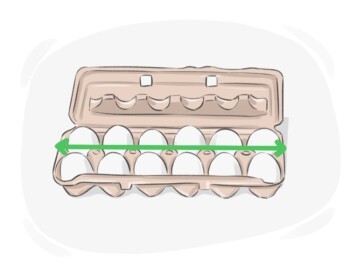
a group of people or objects placed in a line

fila

fila

Ex: At the movie theater, we chose seats in the middle row for the best view of the screen. 

En el cine, elegimos asientos en la fila del medio para la mejor vista de la pantalla.

to row
to row
[Verbo]

‌to have a noisy argument

discutir, pelear

discutir, pelear

Ex: As the family dinner progressed, relatives started to row over differing opinions on various topics. 

A medida que avanzaba la cena familiar, los familiares comenzaron a discutir por opiniones diferentes sobre varios temas.

refuse
refuse
[Sustantivo]

unwanted materials or items that have been discarded

desechos,  basura

desechos, basura

to refuse
to refuse
[Verbo]

to say or show one's unwillingness to do something that someone has asked

rehusar

rehusar

Ex: The employee had to refuse the assignment as it conflicted with their current workload. 

El empleado tuvo que rechazar la asignación porque entraba en conflicto con su carga de trabajo actual.

lead
lead
[Sustantivo]

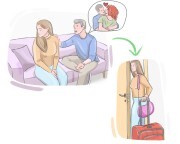
a role or position of guiding or influencing others by taking initiative or setting an example for others to follow

liderazgo, delantera
liderazgo, delantera

Ex: The young activist's actions put her in the lead of the environmental movement. 

Las acciones de la joven activista la pusieron al frente del movimiento ambiental.

to lead
to lead
[Verbo]

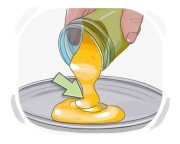
to be the cause of something

conducir, llevar
conducir, llevar

Ex: Poor communication often leads to misunderstandings. 

La mala comunicación a menudo lleva a malentendidos.

content
content
[Sustantivo]

(usually plural) the things that are held, included, or contained within something

contenido

contenido

Ex: The box's contents were carefully wrapped in protective foam. 

El contenido de la caja estaba cuidadosamente envuelto en espuma protectora.

to content
to content
[Verbo]

to feel satisfied or pleased with someone or something

contentarse, conformarse

contentarse, conformarse

Ex: They contented themselves with their modest achievements. 

Se contentaron con sus modestos logros.

tear
tear
[Sustantivo]

a drop of salty liquid produced by the eyes

lágrima

lágrima

Ex: Tears filled her eyes with emotion. 

Las lágrimas llenaron sus ojos de emoción.

to tear
to tear
[Verbo]

to forcibly pull something apart into pieces

romper, rasgar

romper, rasgar

Ex: To reveal the surprise, he asked her to tear the sealed envelope. 

Para revelar la sorpresa, le pidió que rompiera el sobre sellado.

console
console
[Sustantivo]

a piece of furniture designed to hold electronic instruments like radios or televisions

consola, mueble para aparatos electrónicos

consola, mueble para aparatos electrónicos

Ex: A vintage console with built-in speakers stood against the wall. 

Una consola vintage con altavoces incorporados estaba apoyada contra la pared.

to console
to console
[Verbo]

to help a person, who is either disappointed or emotionally suffering, feel better

consolar

consolar

Ex: He consoled his sister when she was feeling upset. 

Él consoló a su hermana cuando ella se sentía molesta.

to progress

to develop into a more advanced or improved stage

progreso

progreso

Ex: The medical field has progressed significantly, with advancements in treatments and technologies. 

El campo médico ha progresado significativamente, con avances en tratamientos y tecnologías.

object
object
[Sustantivo]

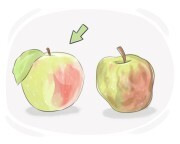
a non-living thing that one can touch or see

objeto
objeto

Ex: The telescope allowed astronomers to observe distant objects in the night sky. 

El telescopio permitió a los astrónomos observar objetos distantes en el cielo nocturno.

perfect
perfect
[Adjetivo]

completely without mistakes or flaws, reaching the best possible standard

perfecto

perfecto

Ex: My dog is perfect, even though he occasionally chews my shoes. 

Mi perro es perfecto, aunque ocasionalmente mastica mis zapatos.

to transfer

to make a person or thing move from a place, situation, or person to another

trasladarse

trasladarse

Ex: As part of the organizational restructuring, the executive team decided to transfer certain functions to a newly established division. 

Como parte de la reestructuración organizacional, el equipo ejecutivo decidió transferir ciertas funciones a una división recién establecida.

run-on
run-on
[Sustantivo]

a continuation of a line of poetry to the next without a pause or punctuation at the end

encabalgamiento, continuación sin pausa

encabalgamiento, continuación sin pausa

Ex: The poet's use of run-on lines creates a sense of urgency in the poem. 

El uso del poeta de versos encabalgados crea una sensación de urgencia en el poema.

unethical
unethical
[Adjetivo]

involving behaviors, actions, or decisions that are morally wrong

poco ético, antiético

poco ético, antiético

Ex: He made an unethical decision by lying to the board of directors. 

Tomó una decisión poco ética al mentirle a la junta directiva.

to marginalize

to treat a person, group, or concept as insignificant or of secondary or minor importance

marginar

marginar

Ex: The company's policies inadvertently marginalized employees with disabilities, making it difficult for them to fully participate in the workplace. 

Las políticas de la empresa marginaron inadvertidamente a los empleados con discapacidades, dificultando su participación plena en el lugar de trabajo.

impersonation
impersonation
[Sustantivo]

the act of pretending to be someone else, often with the intent to deceive or mislead others

imitación, suplantación de identidad

imitación, suplantación de identidad

Ex: The comedian’s impersonations always make the audience laugh. 

Las imitaciones del comediante siempre hacen reír al público.

digitally
digitally
[Adverbio]

with the use of computers or electronic devices

digitalmente, de forma digital

digitalmente, de forma digital

Ex: The movie was distributed digitally, allowing viewers to stream it online. 

La película se distribuyó digitalmente, lo que permitió a los espectadores transmitirla en línea.
alarmingly
alarmingly
[Adverbio]

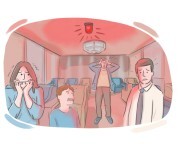
in a manner that causes sudden concern or fear

alarmantemente, de manera alarmante

alarmantemente, de manera alarmante

Ex: The crowd grew alarmingly quiet as the news spread. 

La multitud se volvió alarmantemente silenciosa a medida que se difundía la noticia.

traditionally
traditionally
[Adverbio]

in accordance with methods, beliefs, or customs that have remained unchanged for a long period of time

a la manera tradicional

a la manera tradicional

Ex: The art of storytelling has been traditionally passed down through generations. 

El arte de contar historias se ha transmitido tradicionalmente de generación en generación.

potentially
potentially
[Adverbio]

in a manner expressing the capability or likelihood of something happening or developing in the future

potencialmente

potencialmente

Ex: The team's innovative idea could potentially revolutionize the industry. 

La idea innovadora del equipo podría potencialmente revolucionar la industria.

victimization
victimization
[Sustantivo]

the process or act of subjecting someone to harm, mistreatment, or abuse

victimización, persecución
victimización, persecución

temporarily
temporarily
[Adverbio]

for a limited period of time

temporalmente

temporalmente

Ex: The road closure is temporarily affecting traffic. 

El cierre de la carretera está afectando temporalmente al tráfico.

violation
violation
[Sustantivo]

the act of breaking a legal code

violación

violación

psychologically
psychologically
[Adverbio]

in a way that is related to someone's mind or emotions

psicológicamente

psicológicamente

Ex: The counselor approached the problem psychologically, considering the patient's mental state. 

El consejero abordó el problema psicológicamente, considerando el estado mental del paciente.

financially
financially
[Adverbio]

in a way that is related to money or its management

económicamente

económicamente

Ex: The company struggled financially during the economic downturn. 

La empresa luchó financieramente durante la crisis económica.

skin and bone

used to refer to someone who is extremely thin, often in an unattractive and unhealthy way

piel y huesos, escuálido

piel y huesos, escuálido

Ex: She lost so much weight that she became all skin and bone. 

Perdió tanto peso que se quedó en piel y huesos.

to [go|be] hand in hand

(of two things) to be closely connected to one another, particularly in a way that one of them causes the occurrence of another

Ex: Quality and excellence go hand in hand in this company, ensuring top-notch products. 
to [save] {one's} [skin|neck|hide|bacon]

to help a person get out of a situation that involves danger or difficulty

salvarle el pellejo a alguien, sacar a alguien de un apuro

salvarle el pellejo a alguien, sacar a alguien de un apuro

Ex: He doesn't care what happens to us. All he's worried about is saving his own hide. 

El abogado le salvó el pellejo con una sola prueba.

to [jump|leap] out of {one's} skin

to become extremely scared or surprised, causing a strong physical reaction

pegar un bote del susto, sobresaltarse muchísimo

pegar un bote del susto, sobresaltarse muchísimo

Ex: Don't sneak up on me like that; you made me jump out of my skin. 

No te me acerques así a escondidas; me diste un susto enorme.

bone of contention

a subject over which people disagree

manzana de la discordia, motivo de disputa

manzana de la discordia, motivo de disputa

Ex: The issue of resource distribution has been a long-standing bone of contention between the two neighboring countries. 

En las negociaciones, la fecha de entrega fue la mayor manzana de la discordia.

close at hand

about to happen very soon

Ex: The changing leaves are a clear sign that autumn is close at hand. 
to [make] no bones about {sth}

to not hesitate to do or say what one truly wants

no andarse con rodeos, decirlo claramente

no andarse con rodeos, decirlo claramente

Ex: The manager made no bones about the tough decisions that needed to be made in order to save the company from bankruptcy. 

El director no se anduvo con rodeos al decir que recortaría el presupuesto.

to transform

to change the appearance, character, or nature of a person or object

transformar

transformar

Ex: A positive mindset can transform challenges into opportunities for personal growth. 

Una mentalidad positiva puede transformar los desafíos en oportunidades para el crecimiento personal.

to determine

to learn of and confirm the facts about something through calculation or research

determinar

determinar

Ex: Last month, the investigators determined the cause of the fire in the building. 

El mes pasado, los investigadores determinaron la causa del incendio en el edificio.

to shape
to shape
[Verbo]

to give something a particular form

moldear, dar forma

moldear, dar forma

Ex: The carpenter used a saw to shape the wood into a curve. 

El carpintero usó una sierra para dar forma a la madera en una curva.

to revert
to revert
[Verbo]

to go back to a previous state, condition, or behavior

volver

volver

Ex: Due to budget constraints, the project had to revert to its original scope. 

Debido a las restricciones presupuestarias, el proyecto tuvo que revertir a su alcance original.

to enhance
to enhance
[Verbo]

to better or increase someone or something's quality, strength, value, etc.

mejorar, aumentar

mejorar, aumentar

Ex: The chef used special spices to enhance the flavor of the dish. 

El chef usó especias especiales para mejorar el sabor del plato.

disaffection
disaffection
[Sustantivo]

a sense of discontent, particularly towards a governing system

descontento

descontento

Ex: Growing disaffection among young people regarding traditional beliefs is reshaping cultural norms. 

El descontento creciente entre los jóvenes respecto a las creencias tradicionales está remodelando las normas culturales.

isolation
isolation
[Sustantivo]

the act of to physically or socially separating someone or something from others

aislamiento

aislamiento

Ex: The remote location of the cabin provided complete isolation from the busy city life. 

La ubicación remota de la cabaña proporcionaba un aislamiento completo de la ajetreada vida de la ciudad.

rapport
rapport
[Sustantivo]

a close relationship in which there is a good understanding and communication between people

relación, entendimiento

relación, entendimiento

Ex: Developing rapport with clients is crucial in sales; it helps to establish trust and understanding, ultimately leading to successful transactions. 

Desarrollar un rapport con los clientes es crucial en las ventas; ayuda a establecer confianza y comprensión, lo que finalmente conduce a transacciones exitosas.

association
association
[Sustantivo]

an organization of people who have a common purpose

asociación

asociación

Ex: The students formed an association to advocate for environmental issues. 

Los estudiantes formaron una asociación para abogar por temas ambientales.

belonging
belonging
[Sustantivo]

the feeling of being happy or comfortable in a specific situation or group

pertenencia

pertenencia

Ex: Being part of a supportive team at work gave him a deep sense of belonging and motivation. 

Ser parte de un equipo de apoyo en el trabajo le dio un profundo sentido de pertenencia y motivación.

alienation
alienation
[Sustantivo]

‌the feeling that one is different from others and therefore not part of a particular group

alienación

alienación

Ex: The protagonist's journey in the novel reflects his alienation from society. 

El viaje del protagonista en la novela refleja su alienación de la sociedad.

repetition
repetition
[Sustantivo]

the act of repeating a word or phrase in a passage as a rhetorical device

repetición

repetición

personification
personification
[Sustantivo]

a literary device where human qualities or characteristics are attributed to non-human entities, objects, or ideas

personificación

personificación

Ex: The author used personification to describe the trees whispering in the forest. 

El autor utilizó la personificación para describir los árboles susurrando en el bosque.

oxymoron
oxymoron
[Sustantivo]

a figure of speech that combines two contradictory or contrasting terms to create a unique expression

oxímoron

oxímoron

Ex: The term "jumbo shrimp" is a classic example of an oxymoron, combining contradictory ideas of size and smallness. 

El término "gamba gigante" es un ejemplo clásico de un oxímoron, que combina ideas contradictorias de tamaño y pequeñez.

rhetorical question

a question that is not meant to be answered, but is instead used to make a point or to create emphasis or effect

pregunta retórica, interrogación retórica

pregunta retórica, interrogación retórica

Ex: Asking a rhetorical question can make a speech more persuasive. 

Hacer una pregunta retórica puede hacer que un discurso sea más persuasivo.

imagery
imagery
[Sustantivo]

the figurative language in literature by which the audience can form vivid mental images

imaginería, imagen

imaginería, imagen

LanGeek
Descargar la aplicación LanGeek