
Lista de palabras SAT 4 - Lección 7
Revisión
Tarjetas de memoria
formas
Ortografía
Cuestionario

the process or act of making a person or thing ready for use, an event, act, situation, etc.

preparación
the quality of being greater in number or quantity
preponderancia
La preponderancia de las pruebas presentadas en el tribunal no dejó ninguna duda sobre la culpabilidad del acusado.
to positively impact someone’s opinion
causar buena impresión
Una sonrisa cálida y genuina predispondrá positivamente a tus entrevistadores durante el proceso de contratación.
absurd and contrary to common sense
absurdo
Su afirmación de que había viajado en el tiempo hasta la Edad Media fue considerada absurda por los historiadores.
a follower or student who adheres to the teachings and practices of a particular leader, teacher, or philosophy
discípulo
Se convirtió en una discípula de la atención plena, practicando diariamente la meditación y las técnicas de atención plena.
related to a specific branch of knowledge or academic field
disciplinario
Su experiencia disciplinaria se encuentra en la historia antigua y la arqueología.
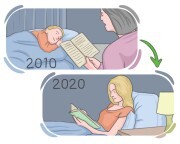
to train a person or animal by instruction and exercise, usually with the aim of improving or correcting behavior
disciplinar
to formally request someone’s presence in court to answer for a serious crime
procesar
El tribunal la acusará formalmente la próxima semana por su presunta participación en el esquema.
complete and utter, typically used to describe something negative or undesirable
puro
Sus afirmaciones fueron consideradas exageraciones completas, sin base en la realidad.
a usually dry watercourse that after a heavy rain temporarily fills and flows with water
rambla
El estrecho arroyo atravesaba el desierto, un recordatorio de las lluvias ocasionales intensas.
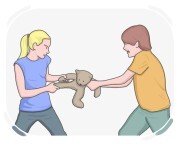
to noisily argue over an unimportant matter
reñir, pelear
Los colegas discutieron por los arreglos de asientos de la oficina, causando una perturbación en el lugar de trabajo.
someone who occupies an empty building or land illegally
ocupante ilegal
Los residentes locales se quejaron del ruido y el desorden causados por los okupas en el área.
easily sickened by unpleasant things
quisquilloso
Ella era remilgosa para comer mariscos, ya que le hacía sentir náuseas.
to cover or obscure something with fog or smoke, making it hard to see
nublar
El humo de la chimenea empañó la habitación, llenándola de una neblina.
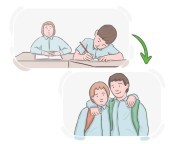
to make friends with someone
hacerse amigo de
En un país extranjero, los viajeros a menudo buscan hacer amistad con los locales para una experiencia más auténtica.
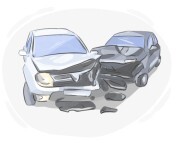
to come into sudden and forceful contact with another object or person
chocar
La bicicleta chocó con un peatón en la calle concurrida.
(physics) the act of two or more moving items crashing into each other
colisión
La colisión de las dos partículas produjo una explosión de energía y nuevas partículas subatómicas.
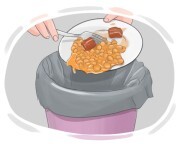
to waste or misuse something valuable, such as money, time, or opportunities
malgastar
El gobierno fue acusado de malgastar el dinero de los contribuyentes en proyectos innecesarios.
to experience a sudden and complete failure
fracasar
