
pattern

SAT 語彙スキル 4 - レッスン7

レビュー

フラッシュカード

語形

綴り

クイズ

学習を開始
SAT Word Skills 4
preparation
preparation
[名詞]

the process or act of making a person or thing ready for use, an event, act, situation, etc.

準備

準備

Ex: The team's preparation helped them win the championship. 
preponderance

the quality of being greater in number or quantity

優勢, 数的優位

優勢, 数的優位

Ex: The preponderance of complaints suggests that the service quality has declined. 

苦情の優勢は、サービスの質が低下したことを示唆しています。

to prepossess

to positively impact someone’s opinion

好印象を与える, 良い影響を与える

好印象を与える, 良い影響を与える

Ex: Her confident and friendly demeanor always prepossesses those she meets. 

彼女の自信に満ちた友好的な態度は、出会う人々に常に 好印象を与えます。

preposterous
preposterous
[形容詞]

absurd and contrary to common sense

ばかげた, 不合理な

ばかげた, 不合理な

Ex: The notion that the moon landing was staged on a Hollywood soundstage is preposterous and lacks any evidence. 

月面着陸がハリウッドのサウンドステージで演出されたという考えはばかげており、何の証拠もありません。

disciple
disciple
[名詞]

a follower or student who adheres to the teachings and practices of a particular leader, teacher, or philosophy

弟子,  信奉者

弟子, 信奉者

Ex: Jesus Christ had many disciples who followed him and spread his teachings. 

イエス・キリストには、彼に従い、その教えを広めた多くの弟子がいました。

disciplinary
disciplinary
[形容詞]

related to a specific branch of knowledge or academic field

規律的な, 専門的な

規律的な, 専門的な

Ex: She completed a disciplinary study in the field of cognitive psychology. 

彼女は認知心理学の分野で学問的な研究を完了しました。

to discipline

to train a person or animal by instruction and exercise, usually with the aim of improving or correcting behavior

しつける, 教育する

しつける, 教育する

Ex: Over the years, he has successfully disciplined many athletes to reach their full potential. 
to arraign
to arraign
[動詞]

to formally request someone’s presence in court to answer for a serious crime

起訴する, 告発する

起訴する, 告発する

Ex: They are currently arraigning him for charges related to organized crime activities. 

彼らは現在、組織犯罪活動に関連する容疑で彼を起訴しています。

arrant
arrant
[形容詞]

complete and utter, typically used to describe something negative or undesirable

完全な, 全くの

完全な, 全くの

Ex: He was accused of being an arrant fool for making such a reckless decision. 

彼はそのような無謀な決断をしたことで、全くの愚か者だと非難されました。

arroyo
arroyo
[名詞]

a usually dry watercourse that after a heavy rain temporarily fills and flows with water

大雨の後、一時的に水で満たされ流れる、通常は乾いた水路, 乾いた河床

大雨の後、一時的に水で満たされ流れる、通常は乾いた水路, 乾いた河床

Ex: Wildlife in the area depended on the arroyo’s temporary waters for survival after the rains. 

その地域の野生生物は、雨の後に生存するためにアロヨの一時的な水に依存していました。
to squabble
to squabble
[動詞]

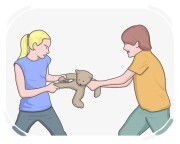
to noisily argue over an unimportant matter

口論する, 言い争う

口論する, 言い争う

Ex: The children began to squabble over the last piece of cake, each insisting it was rightfully theirs. 

子供たちは最後の一切れのケーキをめぐって口論し始め、それぞれがそれは自分のものだと主張した。

squatter
squatter
[名詞]

someone who occupies an empty building or land illegally

不法占拠者, スクワッター

不法占拠者, スクワッター

Ex: The authorities evicted the squatter who had been living in the abandoned warehouse for months. 

当局は、廃墟の倉庫に数ヶ月間住んでいた不法占拠者を退去させた。

squeamish
squeamish
[形容詞]

easily sickened by unpleasant things

敏感な, 繊細な

敏感な, 繊細な

Ex: She felt squeamish when she saw the blood on the floor after the accident. 

事故の後、床の血を見て彼女はむかむかした。

to befog
to befog
[動詞]

to cover or obscure something with fog or smoke, making it hard to see

霧で覆う, ぼんやりさせる

霧で覆う, ぼんやりさせる

Ex: The thick mist befogged the view of the mountains. 

濃い霧が山の眺めをぼやけさせた。

to befriend
to befriend
[動詞]

to make friends with someone

友達になる, 親しくなる

友達になる, 親しくなる

Ex: During the school orientation, she made an effort to befriend her classmates. 

学校のオリエンテーション中、彼女はクラスメートと友達になるように努力しました。
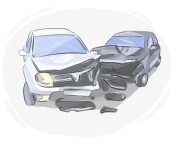
to collide
to collide
[動詞]

to come into sudden and forceful contact with another object or person

衝突する, ぶつかる

衝突する, ぶつかる

Ex: The two cars collided at the intersection, resulting in a minor accident. 

2台の車が交差点で衝突し、軽微な事故が発生しました。

collision
collision
[名詞]

(physics) the act of two or more moving items crashing into each other

衝突, 衝突

衝突, 衝突

Ex: Astronomers predicted a future collision between two galaxies billions of years from now. 

天文学者たちは、数十億年後に2つの銀河の間で起こる将来的な衝突を予測しました。
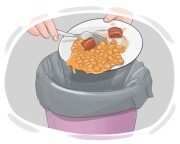
to squander
to squander
[動詞]

to waste or misuse something valuable, such as money, time, or opportunities

浪費する, 無駄にする

浪費する, 無駄にする

Ex: Instead of investing wisely, he chose to squander his inheritance on extravagant vacations. 

賢く投資する代わりに、彼は相続財産を贅沢な休暇に浪費することを選んだ。

to collapse
to collapse
[動詞]

to experience a sudden and complete failure

崩壊する, 倒れる

崩壊する, 倒れる

Ex: The political party collapsed after a major scandal involving its leaders. 
LanGeek
LanGeekアプリをダウンロード