
El libro Total English - Intermedio - Unidad 1 - Vocabulario
Aquí encontrarás las palabras de la Unidad 1 - Vocabulario en el libro de curso Total English Intermediate, como "ver rojo", "eventualmente", "regañar", etc.
Revisión
Tarjetas de memoria
formas
Ortografía
Cuestionario

![[see] red](https://cdn.langeek.co/photo/52143/thumb/anger/350?type=jpeg "[see] red")
to suddenly become enraged and uncontrollably angry

perder el control de la ira, enfurecerse de repente
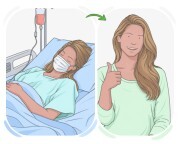
to recover from an unpleasant or unhappy experience, particularly an illness
recuperarse de una enfermedad o experiencia desagradable, volver a estar bien después de una enfermedad o disgusto
Las sesiones de terapia la ayudaron a superar el trauma del accidente.
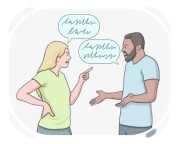
a discussion, typically a serious one, between two or more people with different views
argumento
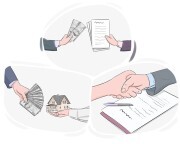
the activity of providing services or products in exchange for money
negocios

a familiar or humorous name given to someone that is connected with their real name, appearance, or with something they have done
sobrenombre
Le apodaron "Oso" debido a su gran tamaño y su naturaleza gentil.
a person who designs, makes, or repairs shoes
zapatero, calzatero
El zapatero reparó mis botas gastadas.
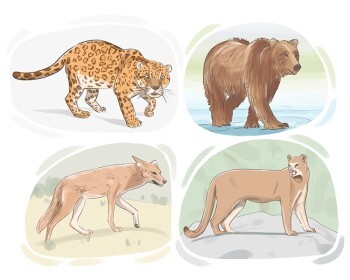
(of an animal or plant) living or growing in a natural state, without any human interference
salvaje
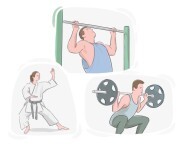
related to athletes or their career
atlético
La comunidad atlética se unió para apoyar al atleta lesionado durante su recuperación.
a type of athletic shoe that has pointed protrusions on the sole, designed to provide better traction and grip on surfaces such as grass, dirt, or track
zapatillas con clavos, tacos
Sus tacos proporcionaban un excelente agarre en la superficie mojada.
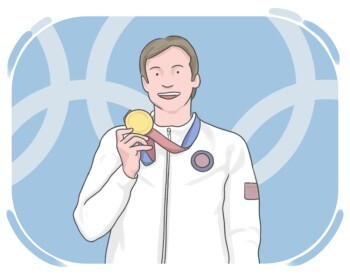
a person who is good at sports and physical exercise, and often competes in sports competitions
deportista
A pesar de su edad, el atleta continuó dominando en el tenis.
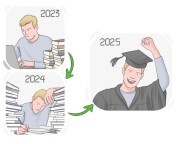
after or at the end of a series of events or an extended period
finalmente
Enfrentaron muchos obstáculos, pero finalmente, superaron todas las dificultades y alcanzaron su meta.
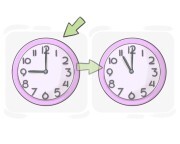
used to refer to a time in the past, showing how much time has passed before the present moment
hace
Terminé de leer ese libro hace un mes.
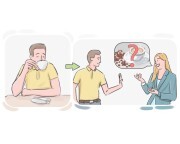
before the present or specified time
ya
Ya sabía la respuesta antes de que él la explicara.
used to indicate a time duration
durante, por
Estudió en el extranjero durante un semestre y obtuvo una valiosa experiencia en una cultura diferente.
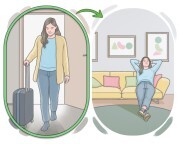
only a short time ago
justo, ahora mismo
Acabo justo de terminar de leer el libro.
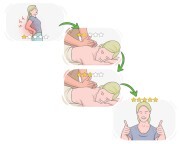
used to express a period from a specific past time up to now or another specified point
desde
He vivido en esta ciudad desde que me mudé aquí por mi trabajo.
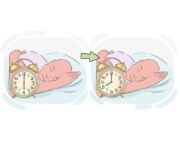
up until the current or given time
aún
Solicitó el trabajo el mes pasado y aún no ha recibido una respuesta todavía.
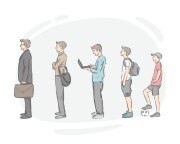
to change from being a child into an adult little by little
crecer, hacerse adulto
Ella creció con sus primos en la misma casa.
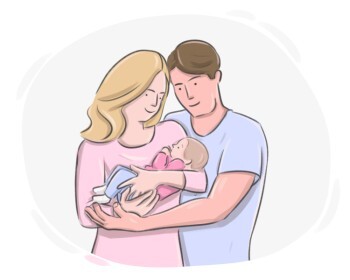
to look after a child until they reach maturity
criar, educar
Como madre soltera, trabajó duro para criar a su hijo.
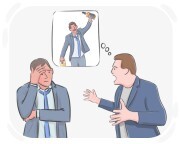
to express sharp disapproval or criticism of someone's behavior or actions
reprender duramente, criticar duramente la conducta de alguien
Fue regañado por su gerente por perder el plazo.
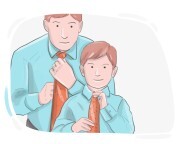
to look or act like an older member of the family, especially one's parents
salir a, parecerse a
Ambas hermanas se parecen a su madre en términos de amabilidad.
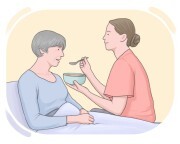
to take care of someone or something and attend to their needs, well-being, or safety
cuidar
El jardinero cuida del jardín deshierbando, regando y podando las plantas.
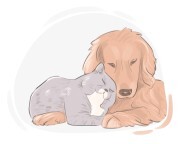
to have a good, friendly, or smooth relationship with a person, group, or animal
llevarse bien con alguien, tener una relación armoniosa con una persona grupo o animal
Él se lleva muy bien con sus vecinos y los ayuda con diversas tareas.
to have a great deal of respect, admiration, or esteem for someone
admirar, tener respeto por
Él admira a su mentor para obtener orientación en su carrera.
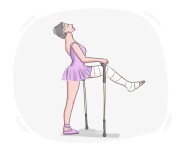
to choose to continue an ongoing activity
continuar una actividad, reanudar después de una pausa
El equipo eligió seguir practicando a pesar del cansancio.
