
Aklat Total English - Intermediate - Yunit 1 - Bokabularyo
Dito mo makikita ang mga salita mula sa Unit 1 - Bokabularyo sa Total English Intermediate coursebook, tulad ng "makita ang pula", "kalaunan", "sabihan", atbp.
Repasuhin
Flashcards
mga anyo
Pagbaybay
Pagsusulit


to suddenly become enraged and uncontrollably angry

mawalan ng kontrol sa sobrang galit, biglang magngitngit sa galit

to recover from an unpleasant or unhappy experience, particularly an illness
gumaling mula sa sakit o makabawi mula sa hindi magandang karanasan, muling bumuti ang pakiramdam pagkatapos ng sakit o problema
Inabot siya ng ilang linggo para tuluyang gumaling sa trangkaso.
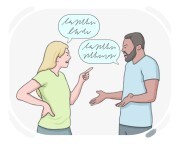
a discussion, typically a serious one, between two or more people with different views
argumento, debate

the activity of providing services or products in exchange for money
negosyo, propesyon

a familiar or humorous name given to someone that is connected with their real name, appearance, or with something they have done
palayaw, taguri
Tinatawag siyang "Speedy" ng kanyang mga kaibigan dahil sa bilis niyang tumakbo. Palayaw
a person who designs, makes, or repairs shoes
sapatero, manggagawa ng sapatos
Ang mga tradisyonal na sapatero ay gumagamit pa rin ng mga pamamaraang gawang-kamay.
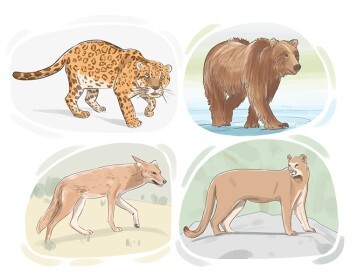
(of an animal or plant) living or growing in a natural state, without any human interference
ligaw, natural
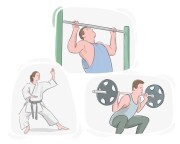
related to athletes or their career
atletiko, pang-sports
Ang kompetisyong atletiko ay nakakuha ng mga atleta mula sa buong bansa upang makipagkumpetensya sa iba't ibang mga kaganapan.
a type of athletic shoe that has pointed protrusions on the sole, designed to provide better traction and grip on surfaces such as grass, dirt, or track
sapatos na may spike, spike
Bumili siya ng bagong mga spike para sa track meet.

a person who is good at sports and physical exercise, and often competes in sports competitions
atleta, manlalaro
Bilang isang propesyonal na atleta, nagpatupad siya ng mahigpit na diyeta at routine ng ehersisyo.
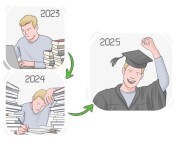
after or at the end of a series of events or an extended period
sa huli, kalaunan
Sa huli siya ay naging manager ng kumpanya.
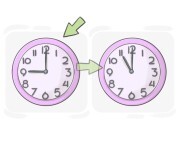
used to refer to a time in the past, showing how much time has passed before the present moment
nakaraan, dati
Lumipat siya sa lungsod na ito tatlong taon ang nakalipas.

before the present or specified time
na, dati
Na umalis na siya nang dumating ako.
used to indicate a time duration
para sa, sa loob ng
Siya ay nanirahan sa lungsod ng mahigit sa sampung taon at alam ang lahat ng pinakamahusay na lugar.

only a short time ago
kanina lang, kakadating lang
Kakarating lang niya sa party.
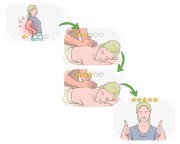
used to express a period from a specific past time up to now or another specified point
mula noong, simula noong
Mas maganda ang pakiramdam ko mula nang ako'y narito.
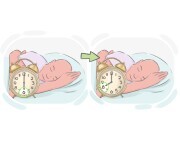
up until the current or given time
pa, hanggang ngayon
Ilang oras na siyang nag-aaral at hindi pa siya tapos.

to change from being a child into an adult little by little
lumaki, maging ganap na adulto
Maraming bata ang nangangarap kung ano ang gusto nilang maging kapag tumanda sila.

to look after a child until they reach maturity
palakihin, alagaan hanggang lumaki
Ang mga lolo at lola ay gumampan ng isang mahalagang papel sa pagpapalaki ng kanilang mga apo.

to express sharp disapproval or criticism of someone's behavior or actions
pagsabihan nang mahigpit, matinding punahin ang asal ng isang tao
Sinabunan niya ang kanyang kaibigan dahil sa pagkalat ng mga tsismis tungkol sa kanya.

to look or act like an older member of the family, especially one's parents
kamukha, humanga
Ang maliit na batang babae ay hugis na hugis sa kanyang ina.

to take care of someone or something and attend to their needs, well-being, or safety
alagaan, asikasuhin
Ang nars ay nag-aalaga ng maysakit na pasyente sa pamamagitan ng pagsubaybay sa kanilang kalagayan at pagbibigay ng gamot.

to have a good, friendly, or smooth relationship with a person, group, or animal
magkaroon ng magandang relasyon sa isang tao, makisama nang maayos sa tao grupo o hayop
Siya ay nagkakasundo nang mabuti sa kanyang mga katrabaho at madalas silang nagso-sosyalize sa labas ng trabaho.
to have a great deal of respect, admiration, or esteem for someone
humanga, igalang
Lagi niyang hinangaan ang kanyang kuya dahil sa kanyang karunungan.

to choose to continue an ongoing activity
ipagpatuloy ang isang gawain, magpatuloy muli pagkatapos ng pahinga
Pagkatapos ng maikling pahinga, nagpatuloy sila sa pulong.
