
El libro Total English - Intermedio - Unidad 10 - Referencia
Aquí encontrarás el vocabulario de la Unidad 10 - Referencia en el libro de curso Total English Intermediate, como "conmemorar", "recuerdo", "nostálgico", etc.
Revisión
Tarjetas de memoria
formas
Ortografía
Cuestionario
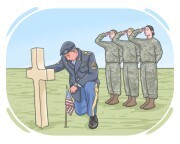
to recall and show respect for an important person, event, etc. from the past with an action or in a ceremony

conmemorar
Las familias a menudo visitan los cementerios para conmemorar a sus seres queridos en el Día de los Caídos.
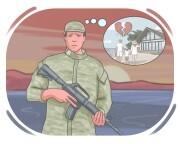
feeling sad because of being away from one's home
nostálgico
Después de meses en el extranjero, se volvió profundamente nostálgico y quiso regresar.

an object that is kept as a reminder of a person, place, or event
recuerdo
El museo exhibió recuerdos de eventos históricos.

a structure or monument built to preserve the memory of a person or event
monumento conmemorativo, memorial
a warm and wistful emotion of longing or missing past experiences and cherished memories
nostalgia
Sintió una profunda nostalgia mientras hojeaba las fotografías descoloridas de sus años universitarios.
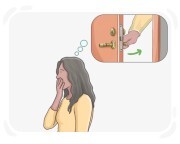
to bring a type of information from the past to our mind again
recordar, acordarse de
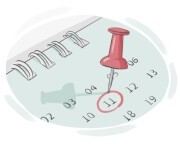
to make a person remember an obligation, task, etc. so that they do not forget to do it
recordar
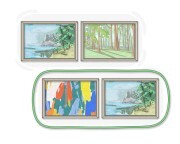
to a great extent or amount, especially when emphasizing significant variation or diversity
mucho
Los dos hombres tienen opiniones ampliamente diferentes sobre la cuestión.
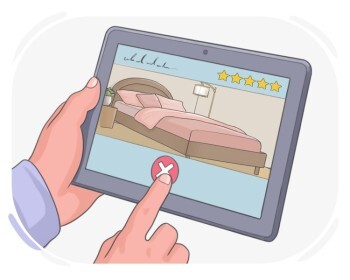
to cancel what has been planned
cancelar, cancelar algo planeado
El entrenador canceló la sesión de práctica debido a la fuerte lluvia.
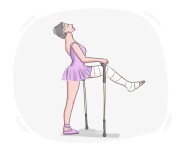
to choose to continue an ongoing activity
continuar una actividad, reanudar después de una pausa
El equipo eligió seguir practicando a pesar del cansancio.

to return to a previous state or condition, often after a period of decline or loss
volver
El paciente tuvo una recuperación notable y volvió a gozar de plena salud.

to create something, usually an idea, a solution, or a plan, through one's own efforts or thinking
idear
Estoy intentando elaborar una nueva estrategia de marketing para la empresa.
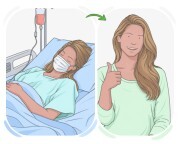
to recover from an unpleasant or unhappy experience, particularly an illness
recuperarse de una enfermedad o experiencia desagradable, volver a estar bien después de una enfermedad o disgusto
Las sesiones de terapia la ayudaron a superar el trauma del accidente.
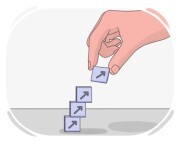
to continue without stopping
continuar sin parar, seguir adelante
El profesor animó a los estudiantes a seguir con su lectura, incluso si se encontraban con palabras difíciles.
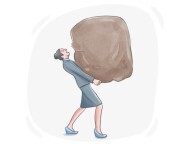
to experience or endure something, particularly a difficult or challenging situation
atravesar, padecer
Muchas personas pasan por una fase de duda e incertidumbre durante sus años de adolescencia.
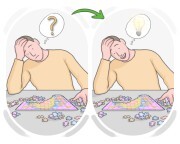
to get information about something after actively trying to do so
averiguar, obtener información investigando
Vamos a averiguar los resultados de la prueba después de que sea calificada.
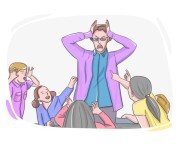
to tolerate something or someone unpleasant, often without complaining
aguantar, soportar
Los amigos soportan las peculiaridades y diferencias de los demás para mantener relaciones sólidas.
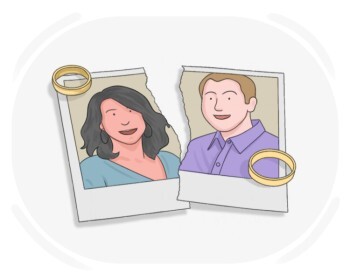
to end a romantic relationship or marriage
rompiendo (pareja)
Después de las sesiones de consejería, se dieron cuenta de que era más saludable separarse que permanecer en una relación tóxica.
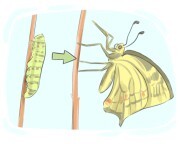
to change and become something else
convertirse en
La plántula eventualmente se convertirá en un alto roble.
to arrive at a location or event, often unexpectedly and without prior notice
aparecer, llegar
El invitado inesperado apareció en la reunión familiar.
to give one a certain impression or sensation
sentirse
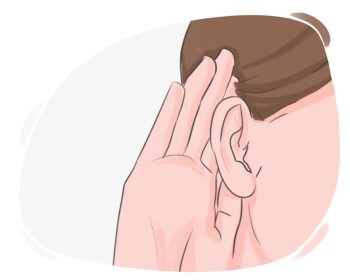
to notice the sound a person or thing is making
oír
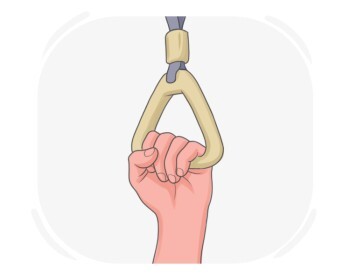
to have in your hands or arms
agarrar, coger
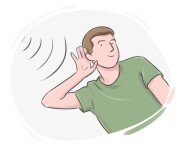
to give our attention to the sound a person or thing is making
escuchar
to be likely to occur or to appear to be the case
parecer
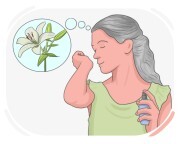
to release a particular scent
oler, despedir

to convey or make a specific impression when read about or when heard
sonar, parecer
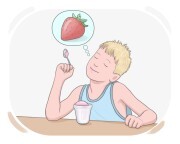
to have a specific flavor
saber
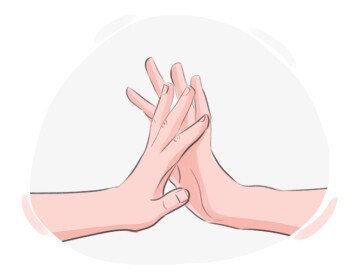
to put our hand or body part on a thing or person
tocar, rozar

to look at a thing or person and pay attention to it for some time
mirar
| El libro Total English - Intermedio | |||
|---|---|---|---|
| Unidad 9 - Lección 3 | Unidad 9 - Vocabulario | Unidad 9 - Referencia | Unidad 10 - Vocabulario |
| Unidad 10 - Lección 2 | Unidad 10 - Referencia | ||
