pattern

El libro Interchange - Pre-intermedio - Unidad 2 - Parte 3

Aquí encontrarás el vocabulario de la Unidad 2 - Parte 3 del libro de curso Interchange Pre-Intermediate, como 'pista', 'tela', 'confundido', etc.

Revisión

Tarjetas de memoria

formas

Ortografía

Cuestionario

Empezar a aprender
Interchange - Pre-intermediate
to understand

to know something's meaning, particularly something that someone says

entender
entender

Ex: Can you help me understand this equation? 
funny
funny
[Adjetivo]

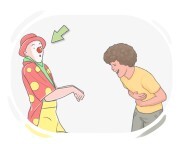
able to make people laugh

gracioso

gracioso

Ex: He's a funny character, always coming up with quirky ideas. 
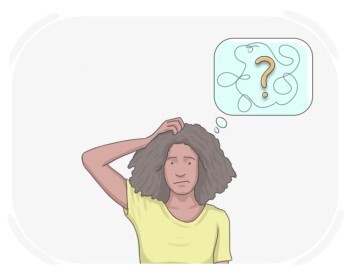
confused
confused
[Adjetivo]

feeling uncertain or not confident about something because it is not clear or easy to understand

confundido

confundido

Ex: She felt confused after reading the complicated instructions. 
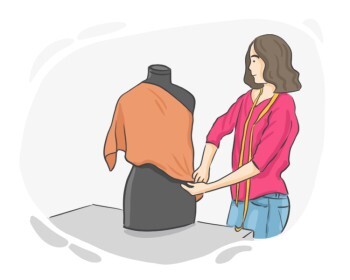
fashion designer
fashion designer
[Sustantivo]

a person who designs stylish clothes

diseñador de modas

diseñador de modas

Ex: At the workshop, the fashion designer taught students about sustainable materials. 
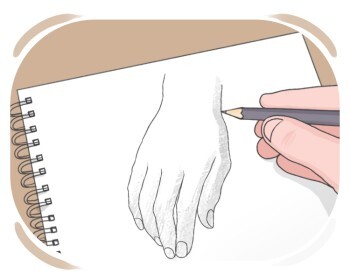
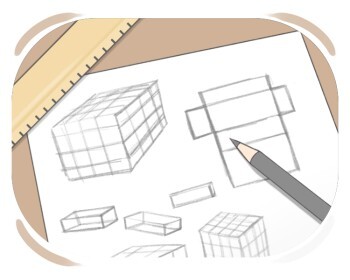
to draw
to draw
[Verbo]

to make a picture of something using a pencil, pen, etc. without coloring it

dibujar

dibujar

Ex: He drew a cute cat on the paper for his little sister. 
fabric
fabric
[Sustantivo]

cloth that is made by weaving cotton yarn, silk, etc., which is used in making clothes

tela

tela

Ex: The dress was made from a luxurious silk fabric that shimmered in the light. 
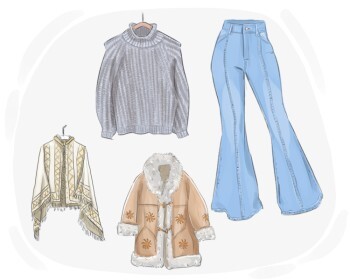
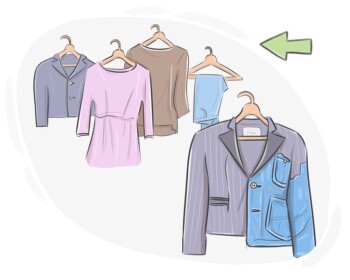
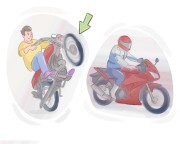
clothes
clothes
[Sustantivo]

the things we wear to cover our body, such as pants, shirts, and jackets

ropa
ropa

Ex: He always wears comfortable clothes when he goes for a run. 
crazy
crazy
[Adjetivo]

extremely foolish or absurd in a way that seems insane

loco

loco

Ex: He does crazy things like swimming in the lake in the middle of winter. 
store
store
[Sustantivo]

a shop of any size or kind that sells goods

tienda

tienda

Ex: He always forgets something at the grocery store. 
to buy
to buy
[Verbo]

to get something in exchange for paying money

comprar
comprar

Ex: I need to buy groceries for dinner tonight. 
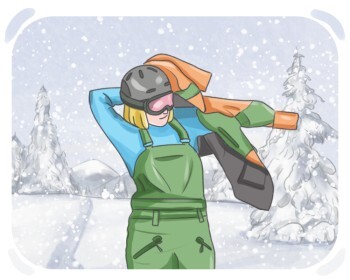
to wear
to wear
[Verbo]

to have something such as clothes, shoes, etc. on your body

llevar

llevar

Ex: She decided to wear a beautiful dress to the party. 
stuff
stuff
[Sustantivo]

things that we cannot or do not need to name when we are talking about them

cosas

cosas

Ex: She packed all her stuff into boxes before moving to her new apartment. 
to know
to know
[Verbo]

to have some information about something

saber
saber

Ex: Do you know where the nearest gas station is? 
to design
to design
[Verbo]

to make drawings according to which something will be constructed or produced

diseñar

diseñar

Ex: The architect often designs modern homes with sustainable features. 
sociologist
sociologist
[Sustantivo]

a person who studies human society, social behavior, and how people interact with each other in groups

sociólogo, especialista en sociología

sociólogo, especialista en sociología

Ex: The sociologist conducted research on urban communities. 
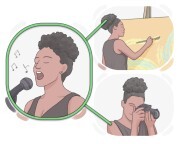
to behave
to behave
[Verbo]

to act in a particular way

comportarse, portarse
comportarse, portarse

Ex: Despite the challenging situation, he continued to behave calmly. 
also
also
[Adverbio]

used to add another item, fact, or action to what has already been mentioned

también

también

Ex: She teaches full-time and also runs her own business. 
normal
normal
[Adjetivo]

conforming to a standard or expected condition

normal

normal

Ex: It's normal to feel nervous before a big presentation. 
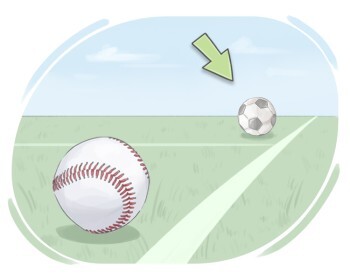
to agree
to agree
[Verbo]

to hold the same opinion as another person about something

estar de acuerdo, concordar
estar de acuerdo, concordar

Ex: She agreed with the teacher's comment about her essay. 
there
there
[Adverbio]

at a place that is not where the speaker is

ahí

ahí

Ex: Your keys are there on the counter. 
reason
reason
[Sustantivo]

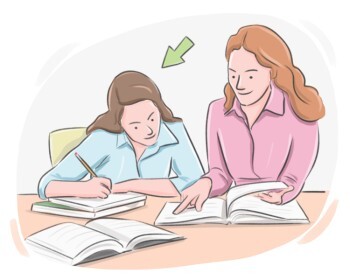
something that explains an action or event

razón
razón

Ex: She provided a valid reason for being late to the meeting. 
to learn
to learn
[Verbo]

to become knowledgeable or skilled in something by doing it, studying, or being taught

aprender

aprender

Ex: He learned valuable negotiation skills by watching experienced negotiators in action 
engineer
engineer
[Sustantivo]

a person who designs, fixes, or builds roads, machines, bridges, etc.

ingeniero
ingeniero

Ex: An engineer's job is to apply scientific principles to solve engineering challenges. 
to mean
to mean
[Verbo]

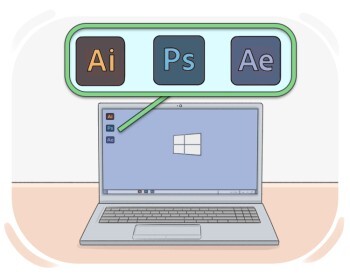
to have a particular meaning or represent something

significar
significar

Ex: His silence meant that he was not interested in the conversation. 
software
software
[Sustantivo]

the programs that a computer uses to perform specific tasks

software

software

Ex: She installed new software to help design her website. 
technology
technology
[Sustantivo]

the application of scientific knowledge for practical purposes, especially in industry

tecnología

tecnología

Ex: The technology used in modern smartphones has advanced rapidly. 
inside
inside
[Adverbio]

in or into a room, building, etc.

dentro
dentro

Ex: The children gathered inside the classroom for the lesson. 
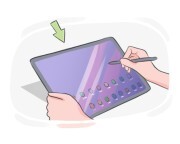
tablet
tablet
[Sustantivo]

a flat, small, portable computer that one controls and uses by touching its screen

tableta, ordenador tablet

tableta, ordenador tablet

Ex: She uses her tablet to take notes during lectures, finding it more convenient than a laptop. 
to help
to help
[Verbo]

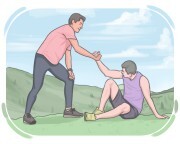
to give someone what they need

ayudar
ayudar

Ex: She helped him carry the boxes upstairs. 
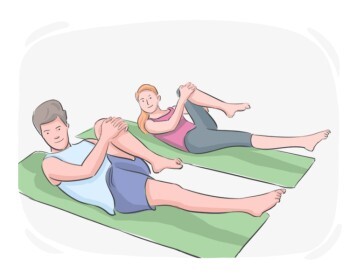
to exercise

to do physical activities or sports to stay healthy and become stronger

hacer ejercicio
hacer ejercicio

Ex: He doesn't exercise as much as he should. 
more
more
[Determinante]

used to refer to a number, amount, or degree that is bigger or larger

más

más

Ex: They've promised to donate more food to the shelter. 
to track
to track
[Verbo]

to follow someone or something by examining the marks they leave behind in order to catch them or know what they are doing

rastrear,  seguir el rastro
rastrear, seguir el rastro

Ex: The hunters used dogs to track the deer through the forest. 
during
during
[Preposición]

used to express that something happens continuously from the beginning to the end of a period of time

durante

durante

Ex: I like to listen to music during my morning commute to work. 
to put
to put
[Verbo]

to move something or someone from one place or position to another

poner
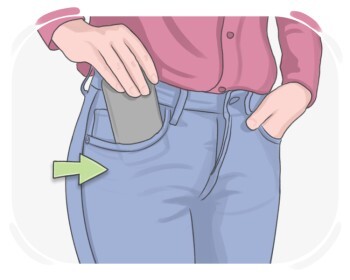
poner

Ex: Did she put the flowers in the vase? 
pocket
pocket
[Sustantivo]

a type of small bag in or on clothing, used for carrying small things such as money, keys, etc.

bolsillo, bolsa
bolsillo, bolsa

Ex: He kept his keys in the pocket of his jeans. 
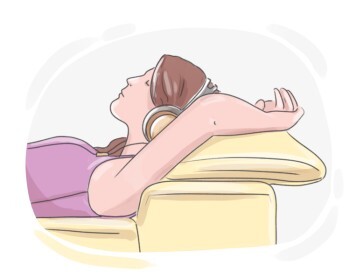
rest
rest
[Sustantivo]

a period of relaxing, sleeping or doing nothing, especially after a period of activity

descanso
descanso

Ex: He usually takes a rest after coming home from work. 
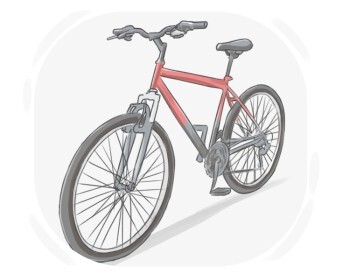
bike
bike
[Sustantivo]

a vehicle that has two wheels and moves when we push its pedals with our feet

bicicleta,  bici

bicicleta, bici

Ex: He rides his bike to work every morning. 
to ride
to ride
[Verbo]

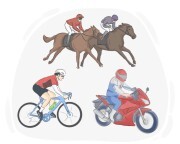
to sit on open-spaced vehicles like motorcycles or bicycles and be in control of their movements

montar, conducir

montar, conducir

Ex: She rides her bike to work every day. 
LanGeek
Descargar la aplicación LanGeek