
Das Buch Interchange - Untere Mittelstufe - Einheit 2 - Teil 3

Hier finden Sie den Wortschatz aus Unit 2 - Teil 3 im Interchange Pre-Intermediate Lehrbuch, wie 'Spur', 'Stoff', 'verwirrt', usw.

review-disable

Überprüfen

flashcard-disable

Lernkarten

spelling-disable

Rechtschreibung

quiz-disable

Quiz

Lernen beginnen
Das Buch Interchange - Untere Mittelstufe

to know something's meaning, particularly something that someone says

اجرا کردن

verstehen

Ex: Can you help me understand this equation ?

Kannst du mir helfen, diese Gleichung zu verstehen?

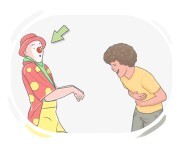
funny [Adjektiv]

able to make people laugh

اجرا کردن

komisch

Ex: He 's a funny character , always coming up with quirky ideas .

Er ist ein lustiger Charakter, der immer auf skurrile Ideen kommt.

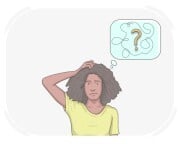
confused [Adjektiv]

feeling uncertain or not confident about something because it is not clear or easy to understand

اجرا کردن

verwirrt

Ex: She felt confused after reading the complicated instructions .

Sie fühlte sich verwirrt, nachdem sie die komplizierten Anweisungen gelesen hatte.

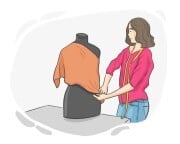
a person who designs stylish clothes

اجرا کردن

Modedesigner(in)

Ex: At the workshop , the fashion designer taught students about sustainable materials .

Im Workshop unterrichtete der Modedesigner die Schüler über nachhaltige Materialien.

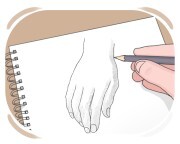
to draw [Verb]

to make a picture of something using a pencil, pen, etc. without coloring it

اجرا کردن

zeichnen

Ex: He drew a cute cat on the paper for his little sister .

Er zeichnete eine süße Katze auf das Papier für seine kleine Schwester.

fabric [Nomen]

cloth that is made by weaving cotton yarn, silk, etc., which is used in making clothes

اجرا کردن

Stoff

Ex: The dress was made from a luxurious silk fabric that shimmered in the light .

Das Kleid war aus einem luxuriösen Seidenstoff gemacht, der im Licht schimmerte.

clothes [Nomen]

the things we wear to cover our body, such as pants, shirts, and jackets

اجرا کردن

Kleider (pl)

Ex: He always wears comfortable clothes when he goes for a run .

Er trägt immer bequeme Kleidung, wenn er zum Laufen geht.

crazy [Adjektiv]

extremely foolish or absurd in a way that seems insane

اجرا کردن

verrückt

Ex: He does crazy things like swimming in the lake in the middle of winter .

Er macht verrückte Dinge wie im Winter mitten im See zu schwimmen.

store [Nomen]

a shop of any size or kind that sells goods

اجرا کردن

Geschäft

Ex: He always forgets something at the grocery store.

Er vergisst immer etwas im Laden.

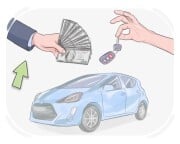
to buy [Verb]

to get something in exchange for paying money

اجرا کردن

kaufen

Ex: I need to buy groceries for dinner tonight .

Ich muss Lebensmittel für das Abendessen heute Abend kaufen.

to wear [Verb]

to have something such as clothes, shoes, etc. on your body

اجرا کردن

tragen

Ex: She decided to wear a beautiful dress to the party .

Sie entschied sich, ein schönes Kleid zur Party zu tragen.

stuff [Nomen]

things that we cannot or do not need to name when we are talking about them

اجرا کردن

Sachen

Ex: She packed all her stuff into boxes before moving to her new apartment .

Sie packte all ihre Sachen in Kartons, bevor sie in ihre neue Wohnung zog.

to know [Verb]

to have some information about something

اجرا کردن

wissen

Ex: Do you know where the nearest gas station is ?

Wissen Sie, wo die nächste Tankstelle ist?

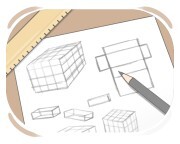
to make drawings according to which something will be constructed or produced

اجرا کردن

entwerfen

Ex: The architect often designs modern homes with sustainable features .

Der Architekt entwirft oft moderne Häuser mit nachhaltigen Merkmalen.

a person who studies human society, social behavior, and how people interact with each other in groups

اجرا کردن

Soziologe

Ex: The sociologist conducted research on urban communities .

Der Soziologe führte Forschungen über städtische Gemeinschaften durch.

to act in a particular way

اجرا کردن

sich verhalten

Ex: Despite the challenging situation , he continued to behave calmly .

Trotz der schwierigen Situation verhielt er sich weiterhin ruhig.

also [Adverb]

used to add another item, fact, or action to what has already been mentioned

اجرا کردن

auch

Ex: She teaches full-time and also runs her own business .

Sie unterrichtet Vollzeit und auch führt ihr eigenes Geschäft.

normal [Adjektiv]

conforming to a standard or expected condition

اجرا کردن

normal

Ex: It 's normal to feel nervous before a big presentation .

Es ist normal, vor einer großen Präsentation nervös zu sein.

to agree [Verb]

to hold the same opinion as another person about something

اجرا کردن

zustimmen

Ex: She agreed with the teacher's comment about her essay.

Sie stimmte dem Kommentar des Lehrers über ihren Aufsatz zu.

there [Adverb]

at a place that is not where the speaker is

اجرا کردن

dort

Ex: Your keys are there on the counter .

Ihre Schlüssel sind dort auf der Theke.

reason [Nomen]

something that explains an action or event

اجرا کردن

Grund

Ex: She provided a valid reason for being late to the meeting .

Sie nannte einen triftigen Grund für ihre Verspätung zum Meeting.

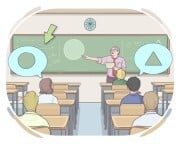
to learn [Verb]

to become knowledgeable or skilled in something by doing it, studying, or being taught

اجرا کردن

lernen

Ex: He learned valuable negotiation skills by watching experienced negotiators in action

Er lernte wertvolle Verhandlungsfähigkeiten, indem er erfahrene Verhandler in Aktion beobachtete.

engineer [Nomen]

a person who designs, fixes, or builds roads, machines, bridges, etc.

اجرا کردن

Ingenieur(in)

Ex: An engineer 's job is to apply scientific principles to solve engineering challenges .

Die Aufgabe eines Ingenieurs ist es, wissenschaftliche Prinzipien anzuwenden, um ingenieurwissenschaftliche Herausforderungen zu lösen.

to mean [Verb]

to have a particular meaning or represent something

اجرا کردن

bedeuten

Ex: His silence meant that he was not interested in the conversation .

Sein Schweigen bedeutete, dass er nicht an dem Gespräch interessiert war.

software [Nomen]

the programs that a computer uses to perform specific tasks

اجرا کردن

Software

Ex: She installed new software to help design her website .

Sie hat neue Software installiert, um bei der Gestaltung ihrer Website zu helfen.

technology [Nomen]

the application of scientific knowledge for practical purposes, especially in industry

اجرا کردن

Technologie

Ex: The technology used in modern smartphones has advanced rapidly .

Die in modernen Smartphones verwendete Technologie hat sich schnell weiterentwickelt.

inside [Adverb]

in or into a room, building, etc.

اجرا کردن

innen

Ex: The children gathered inside the classroom for the lesson.

Die Kinder versammelten sich im Klassenzimmer für den Unterricht.

tablet [Nomen]

a flat, small, portable computer that one controls and uses by touching its screen

اجرا کردن

Tablet

Ex: She uses her tablet to take notes during lectures , finding it more convenient than a laptop .

Sie benutzt ihr Tablet, um während der Vorlesungen Notizen zu machen, und findet es bequemer als einen Laptop.

to help [Verb]

to give someone what they need

اجرا کردن

helfen

Ex: She helped him carry the boxes upstairs .

Sie half ihm, die Kisten nach oben zu tragen.

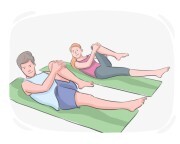
to do physical activities or sports to stay healthy and become stronger

اجرا کردن

trainieren

Ex: He does n't exercise as much as he should .

Er treibt nicht so viel Sport, wie er sollte.

more [Bestimmungswort]

used to refer to a number, amount, or degree that is bigger or larger

اجرا کردن

mehr

Ex: They 've promised to donate more food to the shelter .

Sie haben versprochen, mehr Essen an das Obdach zu spenden.

to track [Verb]

to follow someone or something by examining the marks they leave behind in order to catch them or know what they are doing

اجرا کردن

verfolgen

Ex: The hunters used dogs to track the deer through the forest .

Die Jäger benutzten Hunde, um das Reh durch den Wald zu verfolgen.

during [Präposition]

used to express that something happens continuously from the beginning to the end of a period of time

اجرا کردن

während

Ex: I like to listen to music during my morning commute to work .

Ich höre gerne Musik während meiner morgendlichen Fahrt zur Arbeit.

to put [Verb]

to move something or someone from one place or position to another

اجرا کردن

legen

Ex: Did she put the flowers in the vase ?

Hat sie die Blumen in die Vase gestellt?

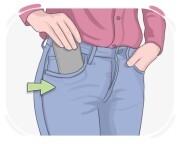
pocket [Nomen]

a type of small bag in or on clothing, used for carrying small things such as money, keys, etc.

اجرا کردن

Tasche

Ex: He kept his keys in the pocket of his jeans .

Er behielt seine Schlüssel in der Tasche seiner Jeans.

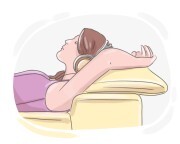
rest [Nomen]

a period of relaxing, sleeping or doing nothing, especially after a period of activity

اجرا کردن

Ruhe

Ex: He usually takes a rest after coming home from work .

Er ruht sich normalerweise (Ruhe) aus, nachdem er von der Arbeit nach Hause kommt.

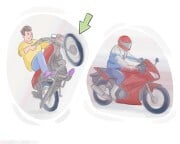
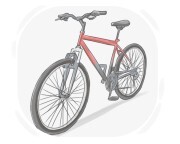
bike [Nomen]

a vehicle that has two wheels and moves when we push its pedals with our feet

اجرا کردن

Fahrrad

Ex: He rides his bike to work every morning .

Er fährt jeden Morgen mit seinem Fahrrad zur Arbeit.

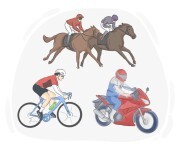
to ride [Verb]

to sit on open-spaced vehicles like motorcycles or bicycles and be in control of their movements

اجرا کردن

fahren

Ex: She rides her bike to work every day .

Sie fährt jeden Tag mit dem Fahrrad zur Arbeit.