pattern

Sustantivos Básicos - Animales

Aquí aprenderás sustantivos en inglés relacionados con animales, como "zorro," "ciervo," y "langosta."

Revisión

Tarjetas de memoria

Ortografía

Cuestionario
Empezar a aprender
Categorized Basic English Nouns
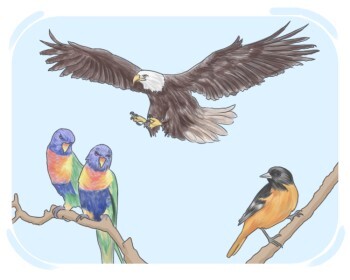
bird
bird
[Sustantivo]

an animal with a beak, wings, and feathers that is usually capable of flying

pájaro
pájaro

Ex: The bird had bright feathers and a long beak. 

El pájaro tenía plumas brillantes y un pico largo.

fish
fish
[Sustantivo]

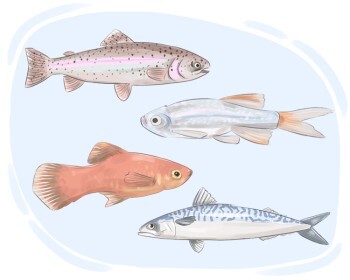
an animal with a tail, gills and fins that lives in water

pez
pez

Ex: The colorful fish in the aquarium captured my attention. 

El pez colorido en el acuario captó mi atención.

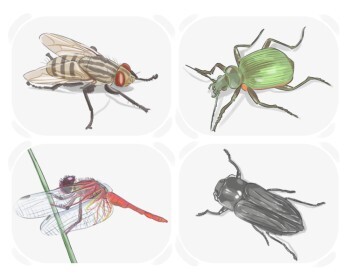
insect
insect
[Sustantivo]

a small creature such as a bee or ant that has six legs, and generally one or two pairs of wings

insecto, bicho

insecto, bicho

Ex: Mark used a magnifying glass to examine the intricate details of the insect. 

Mark usó una lupa para examinar los intrincados detalles del insecto.

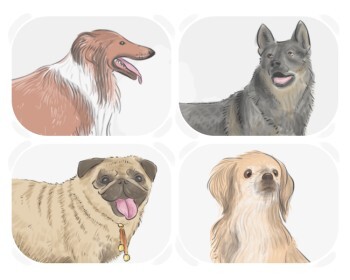
dog
dog
[Sustantivo]

an animal with a tail and four legs that we keep as a pet and is famous for its sense of loyalty

perro
perro

Ex: My neighbor has a big black dog named Max. 

Mi vecino tiene un gran perro negro llamado Max.

cat
cat
[Sustantivo]

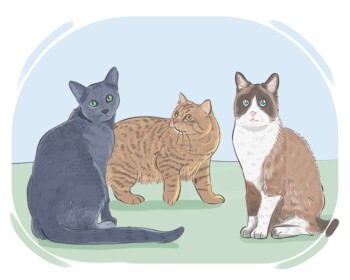
a small animal that has soft fur, a tail, and four legs and we often keep it as a pet

gato

gato

Ex: My friend's cat is playing with a toy mouse. 

El gato de mi amigo está jugando con un ratón de juguete.

horse
horse
[Sustantivo]

an animal that is large, has a tail and four legs, and we use for racing, pulling carriages, riding, etc.

caballo
caballo

Ex: My dream is to one day own a beautiful horse. 

Mi sueño es algún día tener un hermoso caballo.

elephant
elephant
[Sustantivo]

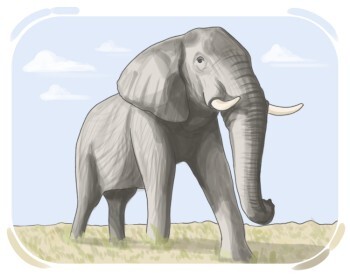
an animal that is very large, has thick gray skin, four legs, a very long nose that is called a trunk, and mostly lives in Asia and Africa

elefante
elefante

Ex: The baby elephant clumsily followed its mother, learning to navigate the world. 

El bebé elefante seguía torpemente a su madre, aprendiendo a navegar por el mundo.

lion
lion
[Sustantivo]

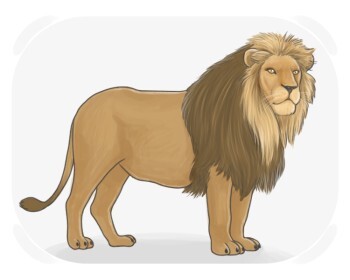
a powerful and large animal that is from the cat family and mostly found in Africa, with the male having a large mane

león
león

Ex: The lion's roar can be heard from miles away, establishing its dominance. 

El rugido del león puede escucharse a millas de distancia, estableciendo su dominio.

tiger
tiger
[Sustantivo]

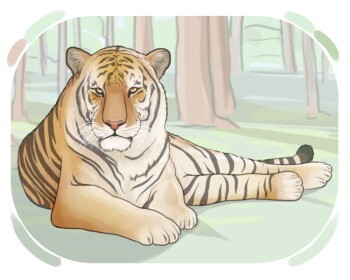
a type of large and wild animal that is from the cat family, has orange fur and black stripes, and is mostly found in Asia

tigre
tigre

Ex: The tiger is a majestic and powerful wild animal. 

El tigre es un animal salvaje majestuoso y poderoso.

bear
bear
[Sustantivo]

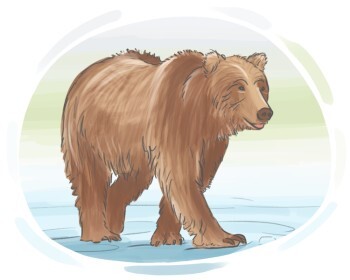
a large animal with sharp claws and thick fur, which eats meat, honey, insects, and fruits

oso
oso

Ex: The bear is a symbol of strength and courage in many cultures. 

El oso es un símbolo de fuerza y valentía en muchas culturas.

rabbit
rabbit
[Sustantivo]

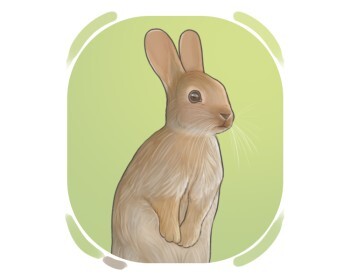
an animal that is small, eats plants, has a short tail, long ears, and soft fur

conejo
conejo

Ex: Rabbits are known for their ability to hop and jump. 

Los conejos son conocidos por su capacidad para saltar y brincar.

deer
deer
[Sustantivo]

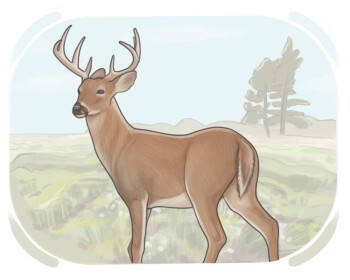
a large, wild animal with long legs which eats grass and can run very fast, typically the males have horns

ciervo
ciervo

Ex: The deer cautiously approached the watering hole to quench its thirst. 

El ciervo se acercó con cautela al abrevadero para saciar su sed.

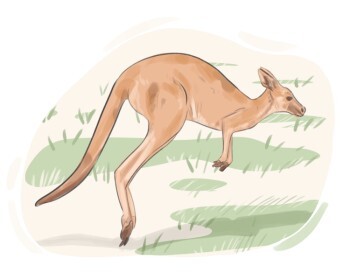
kangaroo
kangaroo
[Sustantivo]

a large Australian animal with a long tail and two strong legs that moves by leaping, female of which can carry its babies in its stomach pocket which is called a pouch

canguro
canguro

Ex: Kangaroos use their muscular tails for balance while hopping and as a powerful counterbalance when moving slowly or standing upright. 

Los canguros usan sus colas musculosas para equilibrarse al saltar y como un poderoso contrapeso al moverse lentamente o pararse erguidos.

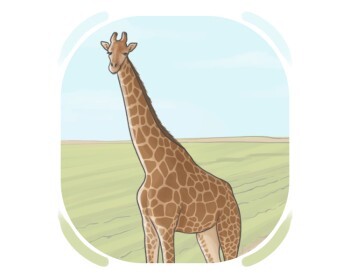
giraffe
giraffe
[Sustantivo]

a tall animal with a very long neck and long legs that has brown spots on its yellow fur

jirafa
jirafa

Ex: Tourists marveled at the sight of a herd of giraffes roaming the vast grasslands, their towering silhouettes against the horizon. 

Los turistas se maravillaron ante la vista de una manada de jirafas recorriendo las vastas praderas, sus imponentes siluetas contra el horizonte.

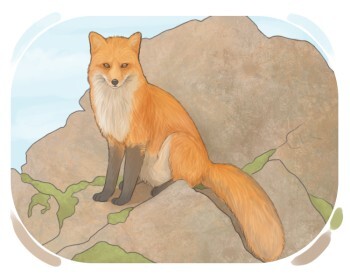
fox
fox
[Sustantivo]

a small to medium-sized carnivorous mammal with a pointed muzzle and bushy tail, often have reddish-brown fur and are known for being clever and adaptable

zorro
zorro

Ex: Sarah learned that foxes are clever and resourceful animals. 

Sarah aprendió que los zorros son animales inteligentes y ingeniosos.

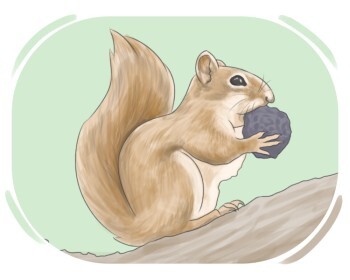
squirrel
squirrel
[Sustantivo]

a furry animal with a thick tail that lives in trees and feeds on nuts and seeds

ardilla
ardilla

Ex: In the park, children giggled as they watched a squirrel burying a nut in the ground. 

En el parque, los niños se rieron mientras observaban a una ardilla enterrar una nuez en el suelo.

crocodile
crocodile
[Sustantivo]

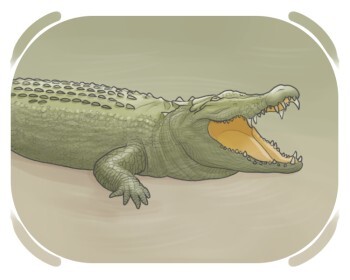
a large reptile with very big jaws, sharp teeth, short legs, and a hard skin and long tail that lives in rivers and lakes in warmer regions

cocodrilo

cocodrilo

Ex: Mark saw a crocodile basking in the sun near the riverbank. 

Mark vio un cocodrilo tomando el sol cerca de la orilla del río.
gorilla
gorilla
[Sustantivo]

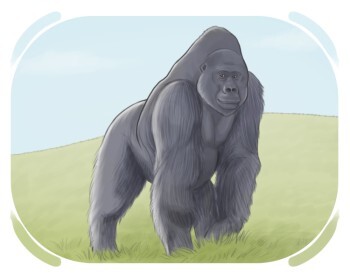
an African ape which has a large head and short neck that looks like a monkey with no tail

gorila
gorila

Ex: Visitors to the zoo watched in awe as the gorillas interacted with each other, playing and grooming in their lush enclosure. 

Los visitantes del zoológico observaron con asombro cómo los gorilas interactuaban entre sí, jugando y acicalándose en su frondoso recinto.

koala
koala
[Sustantivo]

a tree-dwelling Australian mammal with gray fur and large ears that feeds on eucalyptus leaves

koala
koala

sheep
sheep
[Sustantivo]

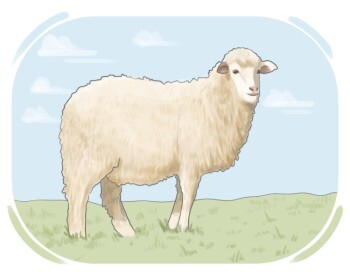
a farm animal that we keep to use its meat or wool

oveja
oveja

Ex: I visited a farm and saw a mother sheep nursing her newborn lambs. 

Visité una granja y vi una oveja amamantando a sus corderos recién nacidos.

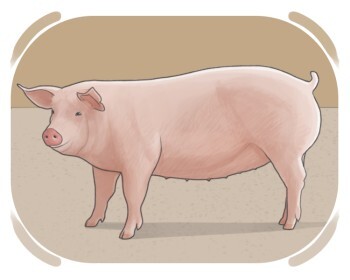
pig
pig
[Sustantivo]

a farm animal that has short legs, a curly tail, and a fat body, typically raised for its meat

cerdo
cerdo

Ex: The pig's nose is sensitive and sniffes the air for food. 

La nariz del cerdo es sensible y huele el aire en busca de comida.

snake
snake
[Sustantivo]

a legless, long, and thin animal whose bite may be dangerous

serpiente

serpiente

Ex: Snakes are cold-blooded animals, relying on external sources to regulate their body temperature. 

Las serpientes son animales de sangre fría, que dependen de fuentes externas para regular su temperatura corporal.

worm
worm
[Sustantivo]

a small soft-bodied animal with an elongated body that lacks limbs and eyes

gusano

gusano

Ex: The fisherman used a worm as bait to catch the fish. 

El pescador usó un gusano como cebo para atrapar el pez.

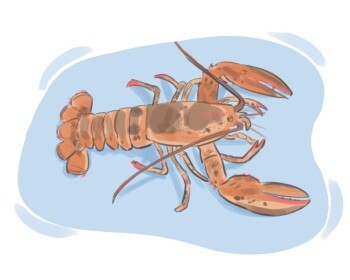
lobster
lobster
[Sustantivo]

a sea animal with a shell, a pair of strong, large claws and eight legs

langosta

langosta

Ex: Lobsters are territorial creatures, defending their sheltered burrows from intruders with aggressive displays. 

Las langostas son criaturas territoriales, defendiendo sus madrigueras protegidas de los intrusos con despliegues agresivos.
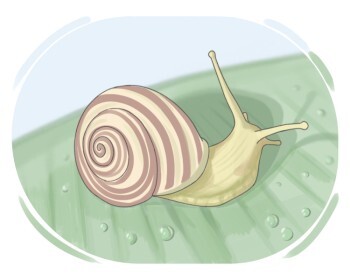
snail
snail
[Sustantivo]

a small, soft creature which carries a hard shell on its back and moves very slowly

caracol

caracol

Ex: Snails withdraw into their shells when threatened, retracting their sensitive tentacles for protection. 

Los caracoles se retraen en sus conchas cuando se sienten amenazados, retrayendo sus tentáculos sensibles para protegerse.
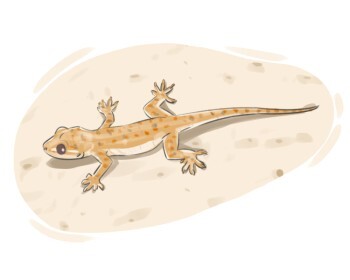
lizard
lizard
[Sustantivo]

a group of animals with a long body and tail, a rough skin and two pairs of short legs

lagarto

lagarto

Ex: Some species of lizards, like chameleons, can change color to blend into their surroundings or communicate with other lizards. 

Algunas especies de lagartos, como los camaleones, pueden cambiar de color para mezclarse con su entorno o comunicarse con otros lagartos.
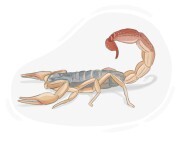
scorpion
scorpion
[Sustantivo]

a venomous arachnid with two pincers and a curved tail that inhabits hot countries

escorpión

escorpión

Ex: The scorpion curled its tail, preparing to strike. 

El escorpión enrolló su cola, preparándose para atacar.
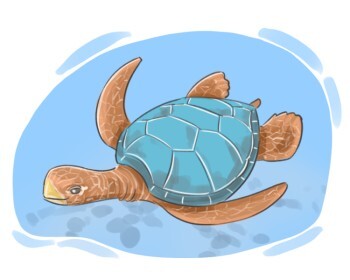
turtle
turtle
[Sustantivo]

an animal that has a hard shell around its body and lives mainly in water

tortuga

tortuga

Ex: Despite their slow pace, turtles are skilled predators, capable of ambushing prey with lightning-fast strikes. 

A pesar de su ritmo lento, las tortugas son depredadores hábiles, capaces de emboscar a sus presas con ataques relámpago.
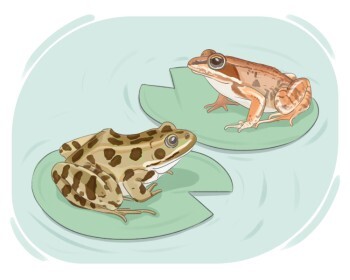
frog
frog
[Sustantivo]

a small green animal with smooth skin, long legs for jumping and no tail, that lives both in water and on land

rana

rana

Ex: Frogs are commonly found in wetlands and near water sources. 

Las ranas se encuentran comúnmente en humedales y cerca de fuentes de agua.
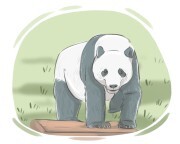
panda
panda
[Sustantivo]

a large mammal that looks like a bear with black and white fur and eats bamboos, usually found in China

panda
panda

camel
camel
[Sustantivo]

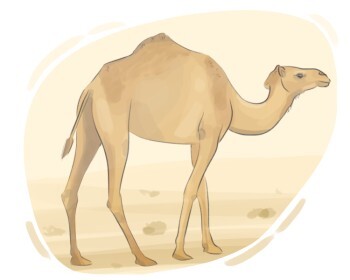
a large desert animal with a long neck and one or two humps on its back

camello
camello

Ex: John read about camels' ability to go long periods without water. 

John leyó sobre la capacidad de los camellos para pasar largos períodos sin agua.

cow
cow
[Sustantivo]

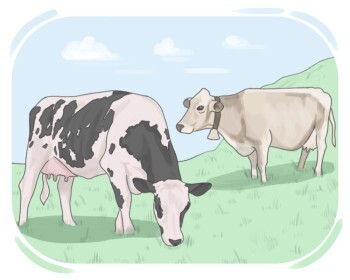
a large farm animal that we keep to use its milk or its meat

vaca

vaca

Ex: The cow's horns were impressive and curved outward. 

Los cuernos de la vaca eran impresionantes y curvados hacia afuera.

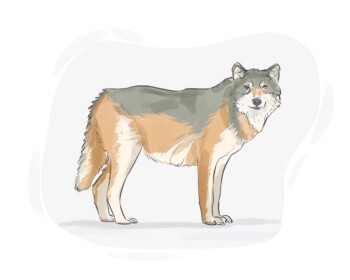
wolf
wolf
[Sustantivo]

a big and wild animal from the same family as dogs that hunts for food in groups

lobo

lobo

Ex: The lone wolf prowled through the dense forest, hunting for prey. 

El lobo solitario merodeaba por el denso bosque, cazando presas.

jaguar
jaguar
[Sustantivo]

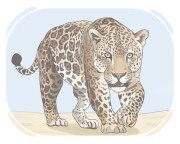
a large wild animal belonging to the cat family with a yellow fur covered with black spots, native to Central and South America

jaguar
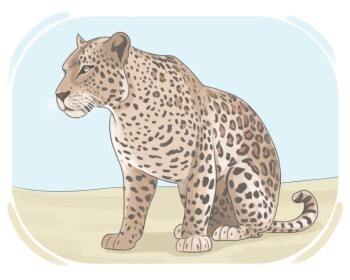
jaguar

Ex: Camouflaged among the foliage, the jaguar blended seamlessly into its lush surroundings. 

Camuflado entre el follaje, el jaguar se mezclaba perfectamente con su exuberante entorno.

leopard
leopard
[Sustantivo]

a large wild animal from the cat family with yellow fur and hollow black spots

leopardo
leopardo

Ex: Leopards are known for their incredible agility and strength, making them formidable hunters. 

Los leopardos son conocidos por su increíble agilidad y fuerza, lo que los convierte en cazadores formidables.

monkey
monkey
[Sustantivo]

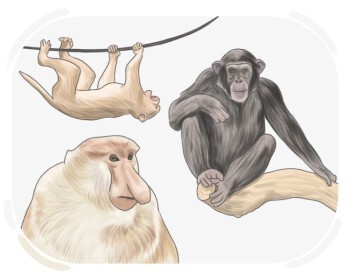
a playful and intelligent animal that has a long tail and usually lives in trees and warm countries

mono
mono

Ex: My sister showed me the monkey eating a banana with delight. 

Mi hermana me mostró el mono comiendo un plátano con deleite.

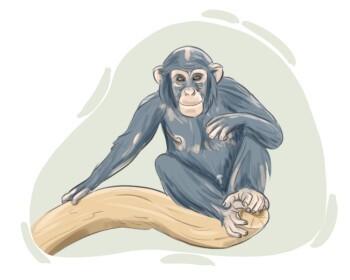
chimpanzee
chimpanzee
[Sustantivo]

an intelligent ape, with mainly black fur, which has no tail and is native to the forests of western and central Africa

chimpancé
chimpancé

Ex: Chimpanzees communicate through a variety of vocalizations, gestures, and facial expressions, forming close bonds within their social groups. 

Los chimpancés se comunican a través de una variedad de vocalizaciones, gestos y expresiones faciales, formando vínculos estrechos dentro de sus grupos sociales.

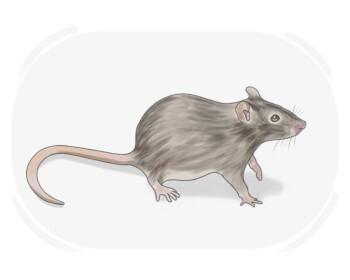
rat
rat
[Sustantivo]

a large mouse-like animal with a long tail, which spreads diseases

rata

rata

Ex: Rats are highly adaptable creatures, able to survive in diverse habitats ranging from sewers to forests. 

Las ratas son criaturas altamente adaptables, capaces de sobrevivir en diversos hábitats que van desde alcantarillas hasta bosques.

beaver
beaver
[Sustantivo]

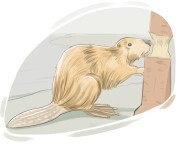
a semiaquatic rodent with a wide tail and strong teeth that builds dams across streams and is mainly found in the Northern hemisphere

castor
castor

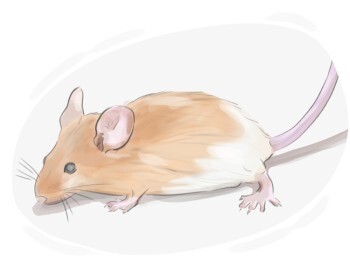
mouse
mouse
[Sustantivo]

a small animal that lives in fields or houses, and often has fur, a long furless thin tail, and a pointed nose

ratón
ratón

Ex: The scientist conducted experiments using a genetically modified mouse model. 

El científico realizó experimentos utilizando un modelo de ratón modificado genéticamente.

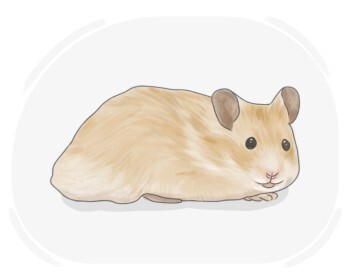
hamster
hamster
[Sustantivo]

a small animal of the rodent family, similar to a mouse, with a short tail and large cheeks for storing food

hámster
hámster

Ex: My little son learned that hamsters are nocturnal animals. 

Mi hijo pequeño aprendió que los hámsteres son animales nocturnos.

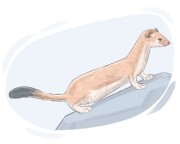
weasel
weasel
[Sustantivo]

a small carnivorous mammal with red-brown fur and a long slender body

comadreja
comadreja

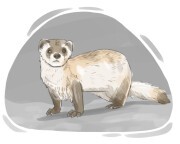
ferret
ferret
[Sustantivo]

a slim furry animal with a long tail that is domesticated and is used for catching rabbits, rats, etc.

hurón
hurón

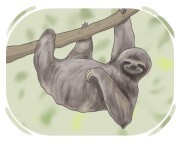
sloth
sloth
[Sustantivo]

a herbivorous mammal that is known for moving very slowly, which hangs from the trees and lives in tropical rainforests of South and Central America

perezoso
perezoso

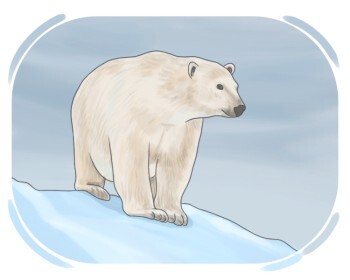
polar bear
polar bear
[Sustantivo]

a large white bear which lives in the North Pole and is well-adapted to its icy environment

oso polar
oso polar

Ex: The polar bear is the largest land carnivore and has no natural predators except for humans. 

El oso polar es el carnívoro terrestre más grande y no tiene depredadores naturales excepto los humanos.

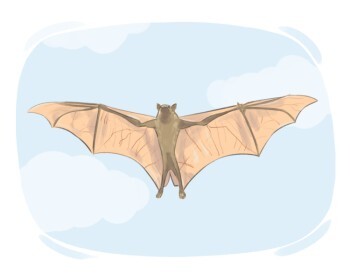
bat
bat
[Sustantivo]

a small flying creature that comes out at night

murciélago
murciélago

Ex: Vampire bats feed on the blood of other animals, using their sharp incisors to make tiny incisions. 

Los murciélagos vampiros se alimentan de la sangre de otros animales, utilizando sus afilados incisivos para hacer pequeñas incisiones.

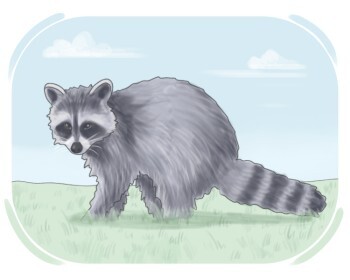
raccoon
raccoon
[Sustantivo]

a small animal with a thick tail, gray-brown fur and black marks on its face

mapache
mapache

Ex: Raccoons have nimble hands with dexterous fingers, allowing them to manipulate objects and open containers. 

Los mapaches tienen manos ágiles con dedos diestros, lo que les permite manipular objetos y abrir contenedores.

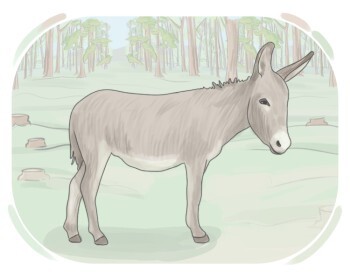
donkey
donkey
[Sustantivo]

an animal that is like a horse but has shorter legs and longer ears, and is used for carrying things and riding

burro
burro

Ex: The stubborn donkey refused to move, making the journey through the narrow path challenging. 

El burro terco se negó a moverse, haciendo que el viaje por el camino estrecho fuera desafiante.

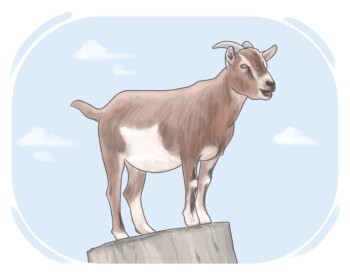
goat
goat
[Sustantivo]

‌an animal with horns and a coat of hair that lives wild in the mountains or is kept on farms for its milk or meat

cabra
cabra

Ex: The children were excited to see the goat at the petting zoo, eagerly feeding it fresh grass. 

Los niños estaban emocionados de ver la cabra en el zoológico de mascotas, alimentándola ansiosamente con hierba fresca.

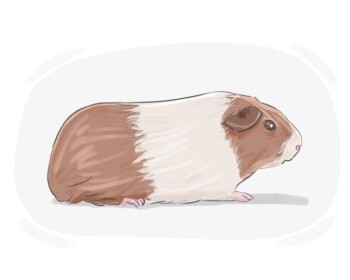
guinea pig
guinea pig
[Sustantivo]

a small furry animal with rounded ears, short legs and no tail, which is often kept as a pet or for research

conejillo de indias

conejillo de indias

Ex: Guinea pigs are herbivores, enjoying a diet of fresh vegetables, hay, and pellets. 

Los conejillos de Indias son herbívoros, disfrutando de una dieta de vegetales frescos, heno y pellets.

LanGeek
Descargar la aplicación LanGeek