
Noms de Base - Animaux
Ici, vous apprendrez des noms anglais relatifs aux animaux, tels que "renard," "cerf," et "homard."
Réviser
Flashcards
Orthographe
Quiz
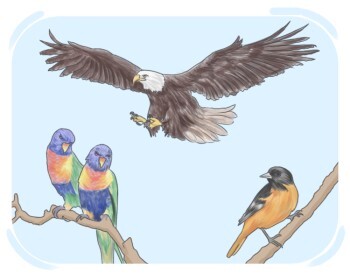
an animal with a beak, wings, and feathers that is usually capable of flying

oiseau
L'oiseau a construit un nid douillet dans l'arbre pour pondre ses œufs.
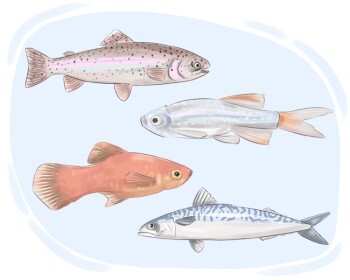
an animal with a tail, gills and fins that lives in water
poisson
Mon oncle et moi sommes allés faire de la plongée avec tuba et avons vu de magnifiques poissons tropicaux sous l'eau.
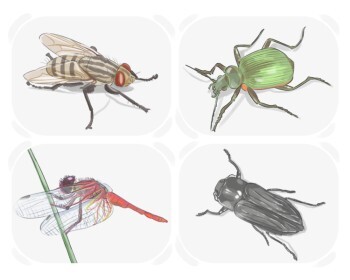
a small arthropod with six legs and a body divided into three parts, often also having wings
insecte
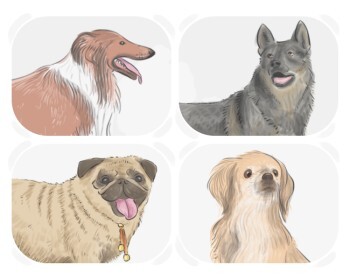
an animal with a tail and four legs that we keep as a pet and is famous for its sense of loyalty
chien
J'aime faire des câlins au ventre de mon chien, cela le rend si heureux.
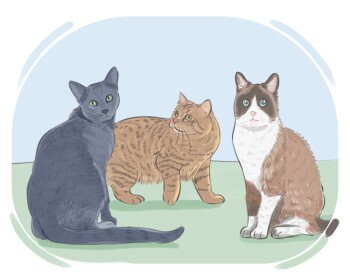
a small animal that has soft fur, a tail, and four legs and we often keep it as a pet
chat
Mon chat a sauté sur le comptoir de la cuisine.

an animal that is large, has a tail and four legs, and we use for racing, pulling carriages, riding, etc.
cheval
J'ai regardé une course de chevaux sur la piste et j'ai encouragé mon favori.
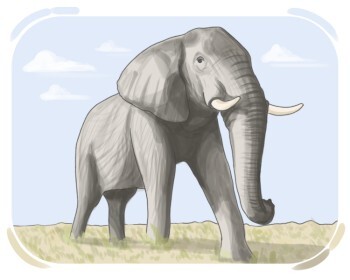
an animal that is very large, has thick gray skin, four legs, a very long nose that is called a trunk, and mostly lives in Asia and Africa
éléphant
Des gens du monde entier viennent voir les majestueux éléphants dans le sanctuaire de la faune.
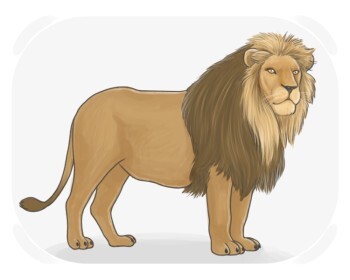
a powerful and large animal that is from the cat family and mostly found in Africa, with the male having a large mane
lion
Les mâchoires puissantes du lion lui ont permis de déchirer sa proie.
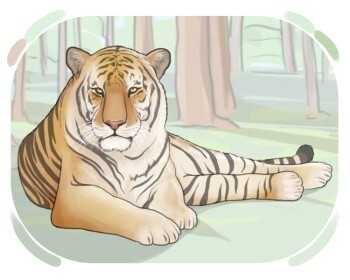
a type of large and wild animal that is from the cat family, has orange fur and black stripes, and is mostly found in Asia
tigre
Mark était étonné de voir un tigre au zoo.
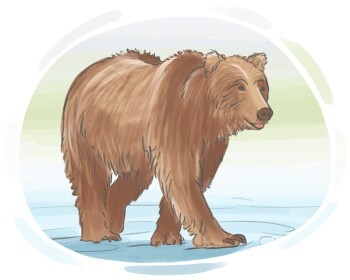
a large animal with sharp claws and thick fur, which eats meat, honey, insects, and fruits
ours
J'avais vraiment peur quand j'ai rencontré un ours dans la nature.
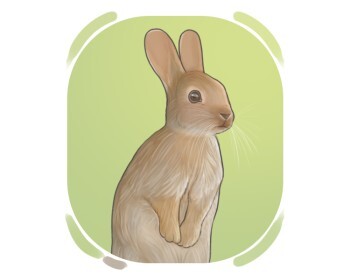
an animal that is small, eats plants, has a short tail, long ears, and soft fur
lapin
J'ai vu un lapin blanc et duveteux dans notre jardin.
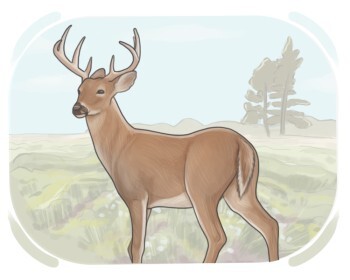
a large, wild animal with long legs which eats grass and can run very fast, typically the males have horns
cerf
Tôt le matin, j'ai vu un groupe de cerfs bondissant à travers les champs.
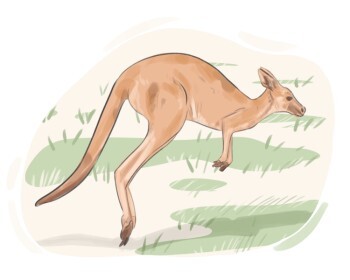
a large Australian animal with a long tail and two strong legs that moves by leaping, female of which can carry its babies in its stomach pocket which is called a pouch
kangourou
Les touristes étaient ravis d'apercevoir des kangourous paissant dans les prairies, leurs mouvements agiles captivant les observateurs.
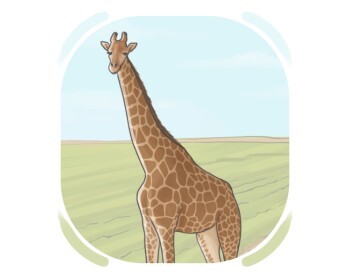
a tall animal with a very long neck and long legs that has brown spots on its yellow fur
giraffe
Les girafes utilisent leur langue puissante pour arracher les feuilles des branches, profitant de leur avantage de hauteur dans la savane.
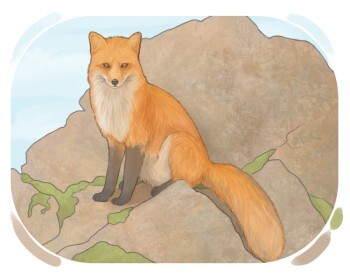
a small to medium-sized carnivorous mammal with a pointed muzzle and bushy tail, often have reddish-brown fur and are known for being clever and adaptable
renard
L'animal sauvage préféré de Mark au zoo est le renard arctique.
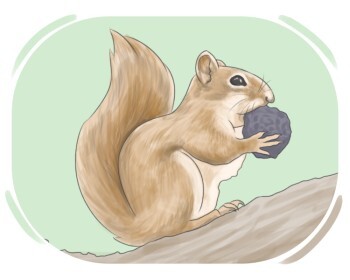
a furry animal with a thick tail that lives in trees and feeds on nuts and seeds
écureuil
L'écureuil agile a bondi de branche en branche, sa queue touffue lui assurant l'équilibre.
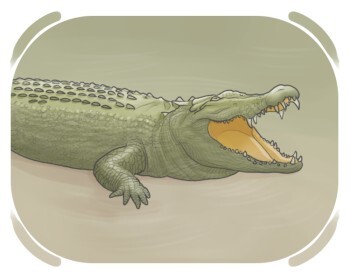
a large reptile with very big jaws, sharp teeth, short legs, and a hard skin and long tail that lives in rivers and lakes in warmer regions
crocodile
J'ai regardé un documentaire sur la vie des crocodiles dans la nature.
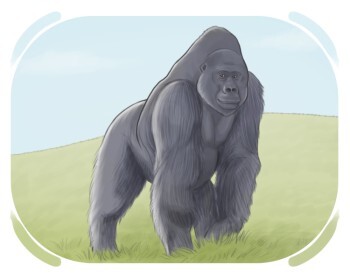
an African ape which has a large head and short neck that looks like a monkey with no tail
gorille
Les gorilles vivent en groupes familiaux très soudés dirigés par un mâle dominant à dos argenté, qui protège et guide le groupe.
a tree-dwelling Australian mammal with gray fur and large ears that feeds on eucalyptus leaves
koala
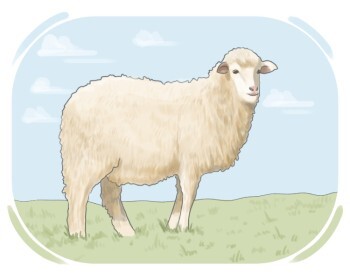
a farm animal that we keep to use its meat or wool
mouton
J'ai vu un groupe de moutons guidés par un berger et son chien.
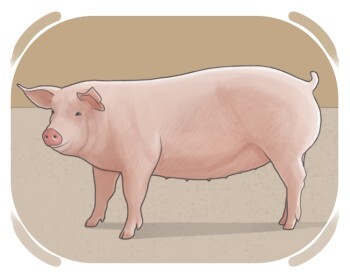
a farm animal that has short legs, a curly tail, and a fat body, typically raised for its meat
cochon
Le cochon m'a salué avec curiosité et s'est approché de la clôture.
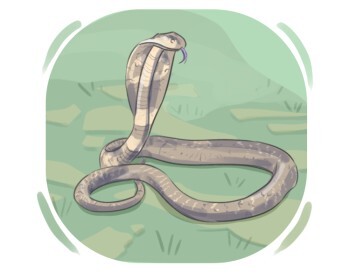
a long, legless reptile with a narrow body covered in scales
serpent
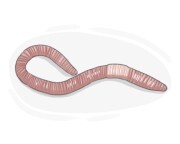
a small invertebrate with a long, narrow, soft body and no legs
ver
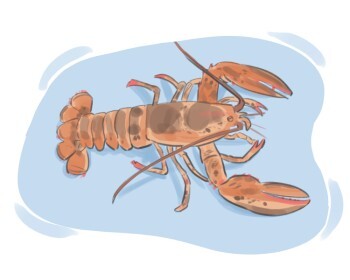
a sea animal with a shell, a pair of strong, large claws and eight legs
homard
Les homards sont connus pour leur capacité à régénérer les membres perdus, une adaptation remarquable pour la survie.
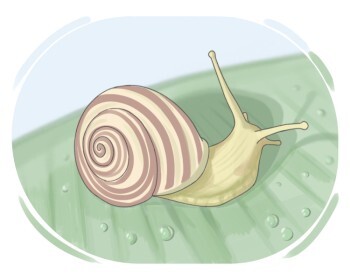
a small, soft creature which carries a hard shell on its back and moves very slowly
escargot
Les jardiniers rencontrent souvent des escargots en train de grignoter leurs plantes, leur lenteur les rendant faciles à repérer.
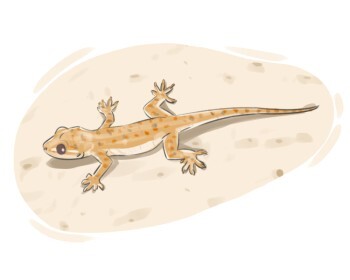
a group of animals with a long body and tail, a rough skin and two pairs of short legs
lézard
Les randonneurs rencontrent souvent des lézards se faufilant parmi les roches et la végétation à la recherche d'insectes.
a venomous arachnid with two pincers and a curved tail that inhabits hot countries
scorpion
Nous avons vu un grand scorpion en camping dans le désert.
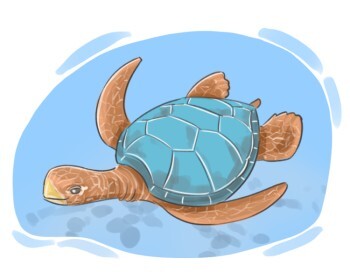
an animal that has a hard shell around its body and lives mainly in water
tortue marine
Les tortues sont connues pour leur longévité, certaines espèces vivant plus de cent ans.
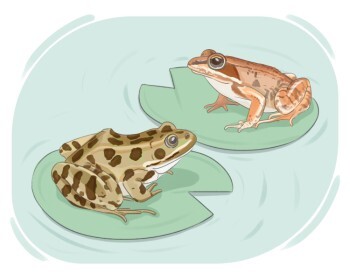
a small green animal with smooth skin, long legs for jumping and no tail, that lives both in water and on land
grenouille
Elle a vu une grenouille près de l'étang en se promenant dans le parc.
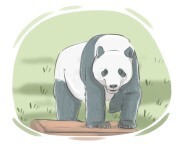
a large mammal that looks like a bear with black and white fur and eats bamboos, usually found in China
panda
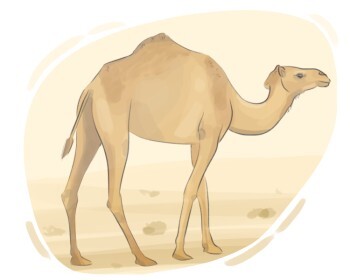
a large desert animal with a long neck and one or two humps on its back
chameau, chamelle
Dans le désert, les chameaux sont souvent utilisés comme moyen de transport.
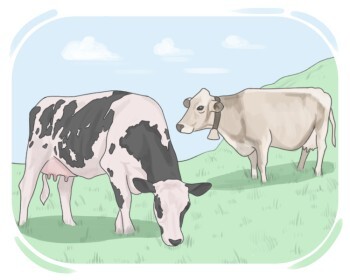
an adult female of domestic cattle, especially one kept for milk or breeding
bœuf, vache
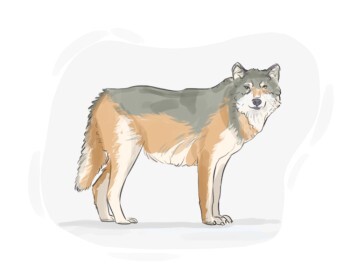
a large wild animal of the dog family that typically lives and hunts in packs
loup
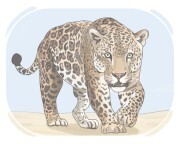
a large wild animal belonging to the cat family with a yellow fur covered with black spots, native to Central and South America
jaguar
Les yeux ambrés du jaguar brillaient avec intensité alors qu'il se préparait à bondir sur sa cible insoupçonnée.
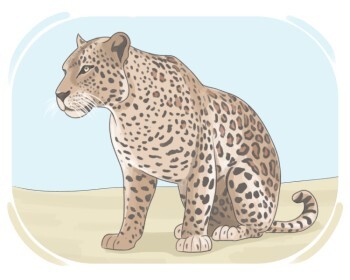
a large wild animal from the cat family with yellow fur and hollow black spots
léopard
Pendant le safari, nous avons eu la chance de repérer un léopard se reposant sur une branche d'arbre.
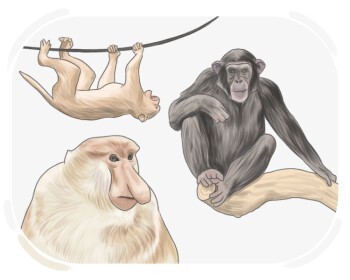
a playful and intelligent animal that has a long tail and usually lives in trees and warm countries
singe
J'ai regardé le singe interagir avec les autres membres de sa troupe.
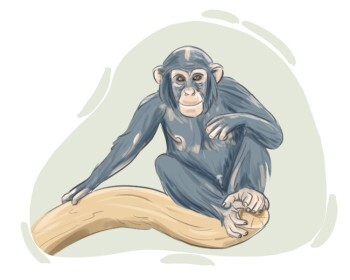
an intelligent ape, with mainly black fur, which has no tail and is native to the forests of western and central Africa
chimpanzé
Les chimpanzés utilisent des outils comme des bâtons et des pierres pour chercher de la nourriture et résoudre des problèmes, démontrant ainsi leur intelligence remarquable.
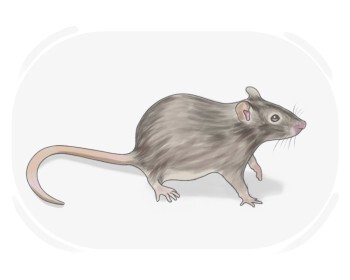
a long-tailed rodent resembling a large mouse, often regarded as a pest
rat
a semiaquatic rodent with a wide tail and strong teeth that builds dams across streams and is mainly found in the Northern hemisphere
castor
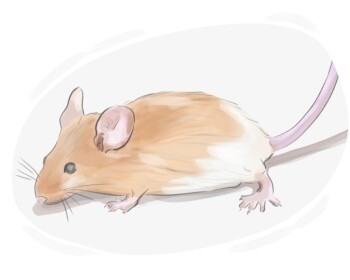
a small animal that lives in fields or houses, and often has fur, a long furless thin tail, and a pointed nose
souris
J'ai entendu le petit grincement d'une souris dans les murs.
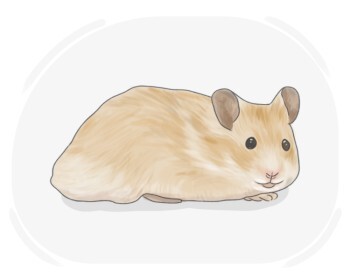
a small animal of the rodent family, similar to a mouse, with a short tail and large cheeks for storing food
hamster
Mon hamster a l'habitude de remplir ses joues de nourriture.
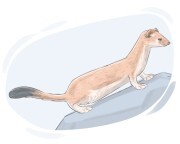
a small carnivorous mammal with red-brown fur and a long slender body
belette
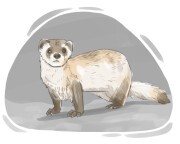
a slim furry animal with a long tail that is domesticated and is used for catching rabbits, rats, etc.
furet
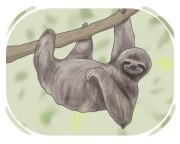
a herbivorous mammal that is known for moving very slowly, which hangs from the trees and lives in tropical rainforests of South and Central America
paresseux
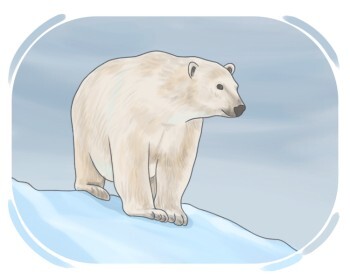
a large white bear which lives in the North Pole and is well-adapted to its icy environment
ours polaire
Le changement climatique menace l'habitat de l'ours polaire car la fonte de la banquise réduit ses terrains de chasse.
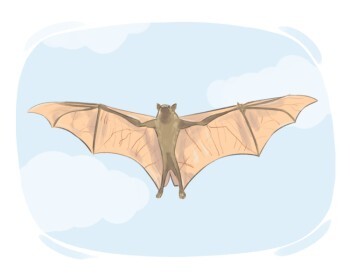
a small flying creature that comes out at night
chauve-souris
Les compétences d'écholocalisation de la chauve-souris lui ont permis de naviguer dans l'obscurité avec précision.
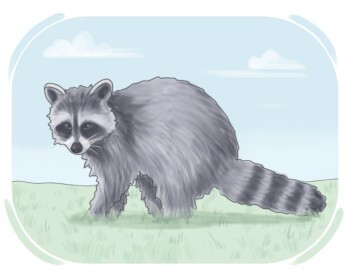
a small animal with a thick tail, gray-brown fur and black marks on its face
raton laveur
Les résidents ont sécurisé leurs poubelles pour empêcher les ratons laveurs de faire des dégâts dans leur quartier.
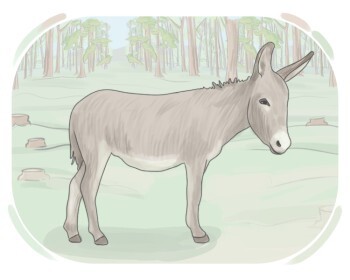
an animal that is like a horse but has shorter legs and longer ears, and is used for carrying things and riding
âne
Dans le zoo pour enfants, les enfants ont ri en donnant des carottes à l'âne doux.
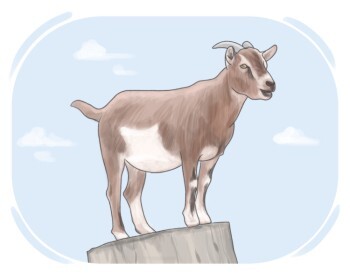
an animal with horns and a coat of hair that lives wild in the mountains or is kept on farms for its milk or meat
chèvre
De nombreux agriculteurs élèvent des chèvres pour leur lait, qui peut être utilisé pour faire du fromage et du yaourt.
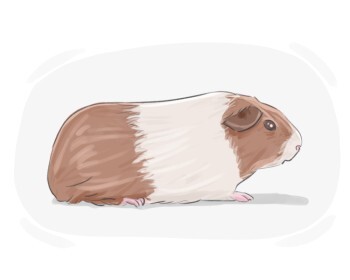
a small furry animal with rounded ears, short legs and no tail, which is often kept as a pet or for research
cochon d'Inde
Les enfants adorent câliner et caresser leurs cochons d'Inde, appréciant leur comportement doux et sociable.
