
Ciencias Naturales SAT - Movimiento Humano
Aquí aprenderás algunas palabras en inglés relacionadas con el movimiento humano, como "tambalearse", "contornearse", "vagar", etc., que necesitarás para superar tus SATs.
Revisión
Tarjetas de memoria
formas
Ortografía
Cuestionario
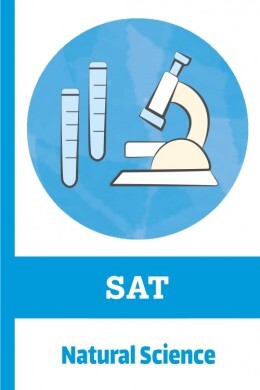

the act or process of entering or gaining access to a place, typically a building, area, or location

entrada, acceso
Durante el evento, los organizadores gestionaron el ingreso de los asistentes para garantizar un flujo fluido.
the act or process of exiting or leaving a place, typically a building, area, or location
salida, egreso
Los simulacros de incendio en la oficina aseguran que los empleados conozcan los procedimientos para un egreso seguro durante emergencias.
the act or process of moving upward
ascenso
El ascenso lento del globo hacia el cielo era fascinante de ver.
a movement or action of coming or going downward
descenso
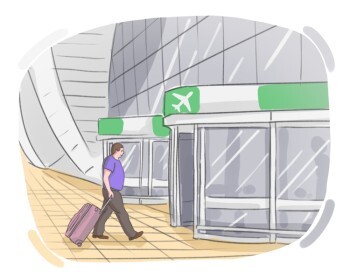
the act of leaving a place, especially to begin a journey
salida
the process or activity of planning and controlling the movement of a vehicle or vessel from one place to another
navegación
La navegación efectiva del dron se logró utilizando coordenadas GPS para trazar su ruta de vuelo.
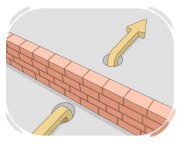
to navigate around or avoid something by taking an alternative route or direction
sortear, evitar
Los excursionistas se vieron obligados a rodear el sendero cerrado y encontrar una forma alternativa de llegar a la cima.
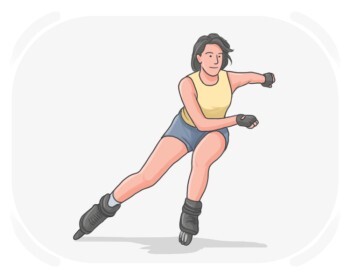
to move smoothly and effortlessly through the air or on a surface with little or no propulsion
deslizarse, planear
El patinador artístico se deslizó con gracia por el lago helado.
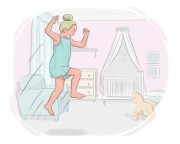
to jump quickly and slightly while walking
saltar, brincar
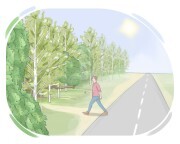
to wander off or deviate from the intended or established path
desviarse, extraviarse
Las ovejas tienden a desviarse si no son cuidadosamente pastoreadas.
to walk with a confident and often arrogant gait
pavonearse
El gallo se pavonea por el patio, hinchando su pecho.

to go for a long walk or journey, particularly in the mountains, forests, etc. as an adventure
caminar
Ellos caminaron por el empinado sendero en la oscuridad de la madrugada.
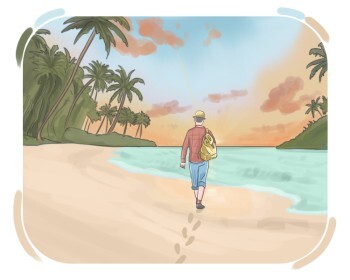
to walk or move somewhere slowly and casually, often taking an indirect route
deambular, vagar
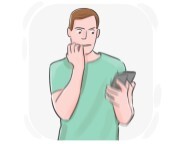
to shake slightly and involuntarily, especially from fear, cold, excitement, weakness, or illness
temblar, estremecerse
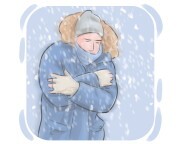
to shake slightly and repeatedly, especially because of cold, fear, excitement, or illness
temblar, estremecerse
to tremble or shake involuntarily, often as a result of fear, cold, or excitement
estremecerse, temblar
La inesperada visión de la figura fantasmal hizo que todos temblaran involuntariamente.
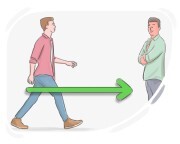
to go close or closer to something or someone
acercarse a
to withdraw or move back from a current position, often in response to a threat or change in conditions
retirarse, retroceder
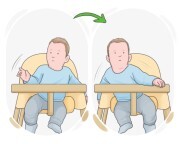
to move in an uncomfortable or restless manner with twisting or contorted motions
retorcerse, moverse inquieto
Durante la tensa reunión, no pudo controlar el impulso de retorcerse en su asiento.
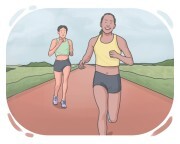
to run at a steady, slow pace, especially for exercise
hacer jogging
Ella decidió trotar un poco para calentar antes de la carrera.
to walk with short, clumsy steps and a swaying motion from side to side, typically as a result of being overweight or having short legs
caminar contoneándose, andar como un pato
El niño pequeño se balanceaba por la habitación, riendo con deleite por su nueva habilidad para caminar.
to go from one place to another with no specific destination or purpose in mind
deambular
En el vasto parque nacional, puedes vagar durante horas sin encontrarte con otra alma.
to move faster in comparison to other things or people
adelantarse a
El conejo rápidamente superó a los animales más lentos en la carrera.
to climb and reach the summit or the peak of a height
escalar, trepar
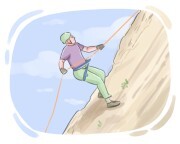
to descend a steep cliff or rock face by sliding down a rope, typically using specialized equipment
rapelar
Aprendió a rapelar correctamente durante su primera clase de escalada en roca.
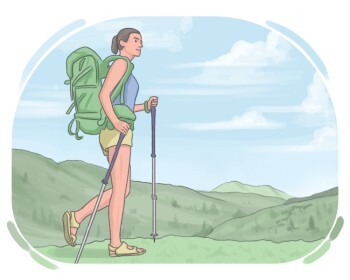
to journey on foot, often covering great distances with a sense of purpose or exploration
caminar, vagar
Con un mapa en la mano, caminaron por la costa escarpada, maravillándose por las olas que chocan y los acantilados imponentes.
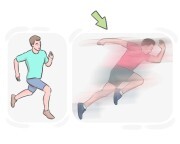
to move quickly and with short, hasty steps
escabullirse
Asustado por el perro que ladraba, la ardilla corrió rápidamente hacia el árbol para ponerse a salvo.
to run very fast for a short distance, typically as a form of exercise
esprintar, correr a toda velocidad
Para alcanzar el autobús, tuvo que esprintar al otro lado de la calle antes de que se marchara.
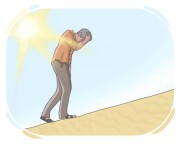
to walk slowly and with heavy steps, especially due to exhaustion, difficulty, or adverse conditions
arrastrarse, caminar con dificultad
Los trabajadores cansados tuvieron que caminar con dificultad a casa bajo la lluvia después de un largo día de construcción.
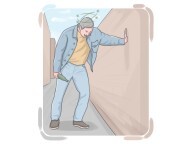
to move unsteadily or with difficulty
tambalearse, vacilar
El atleta lesionado, con un tobillo torcido, tuvo que tambalearse fuera del campo, haciendo muecas con cada paso inestable.
to move heavily or clumsily, often with loud, heavy footsteps
pisar fuerte, caminar pesadamente
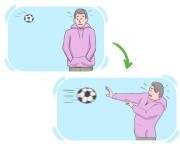
to make a quick and involuntary movement in response to a surprise, pain, or fear
estremecerse
Cuando la puerta se cerró de golpe, él se estremeció de sorpresa.
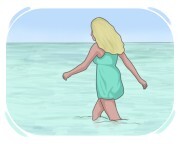
to walk in shallow water
caminar por el agua
Los pescadores vadearon en el estanque, lanzando sus líneas al agua.
moving from place to place without a fixed route or purpose
errante, vagabundo
Ella disfrutaba de los paseos errantes por el campo.
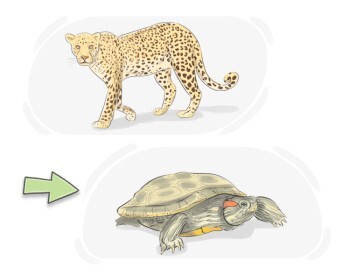
moving, reacting, or functioning more slowly than usual
lento
El motor estaba lento en el clima frío.
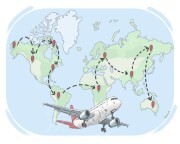
to travel all the way around something, especially the globe, by sea, air, or land
circunnavegar
Ella sueña con ser la primera mujer en circunnavegar el Ártico.
