
Nauki Przyrodnicze SAT - Ruch Ludzki
Tutaj nauczysz się niektórych angielskich słów związanych z ruchem człowieka, takich jak "zataczać się", "chodzić jak kaczka", "włóczyć się" itp., które będą Ci potrzebne, aby zdać SAT.
Przegląd
Fiszki
formy
Pisownia
Test

the act or process of entering or gaining access to a place, typically a building, area, or location

wejście, dostęp
Stacja metra ma wiele punktów wejścia i wyjścia, aby pomieścić ruch pasażerski.
the act or process of exiting or leaving a place, typically a building, area, or location
wyjście, wyjście
Uporządkowane wyjście pasażerów z samolotu zostało opóźnione z powodu problemu mechanicznego.
the act or process of moving upward
wznoszenie się, wspinaczka
Powolne wznoszenie się balonu w niebo było fascynujące do oglądania.
a movement or action of coming or going downward
zejście, spadek
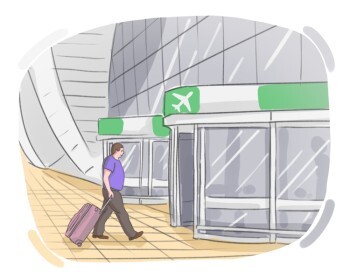
the act of leaving a place, especially to begin a journey
the process or activity of planning and controlling the movement of a vehicle or vessel from one place to another
nawigacja
Nawigacja statków handlowych przez zatłoczone szlaki żeglugowe jest regulowana przez prawo morskie i pomoce nawigacyjne.
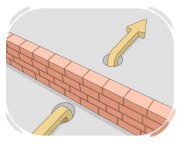
to navigate around or avoid something by taking an alternative route or direction
ominąć, uniknąć
Poszukując samotności na plaży, postanowił ominąć zatłoczone miejsca i udał się w kierunku bardziej odosobnionego miejsca.
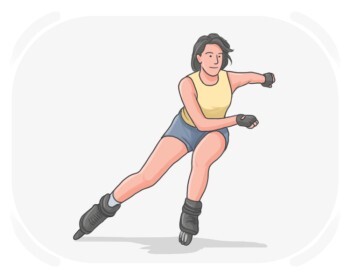
to move smoothly and effortlessly through the air or on a surface with little or no propulsion
szybować, ślizgać się
Szybkim ruchem przesunęła się po gładkim chodniku na swoich rolkach.
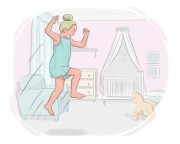
to jump quickly and slightly while walking
podskakiwać, skakać
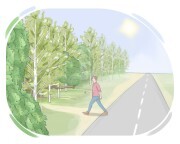
to wander off or deviate from the intended or established path
zbłądzić, odbiegać
Plecakowiec, pochłonięty fotografią, zboczył z głównego szlaku i odkrył ukryty wodospad.
to walk with a confident and often arrogant gait
przechadzać się dumnie, chodzić z arogancją
Oni przechadzali się dumnie obok swoich rywali po wielkim zwycięstwie.

to go for a long walk or journey, particularly in the mountains, forests, etc. as an adventure
wędrować, przemierzać
Badacze dzikiej przyrody wędrowali głęboko w dżungli, aby zbadać zachowanie rzadkich gatunków.
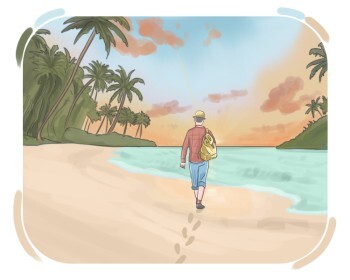
to walk or move somewhere slowly and casually, often taking an indirect route
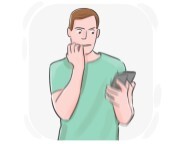
to shake slightly and involuntarily, especially from fear, cold, excitement, weakness, or illness
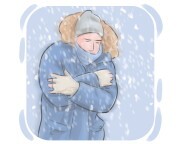
to shake slightly and repeatedly, especially because of cold, fear, excitement, or illness
to tremble or shake involuntarily, often as a result of fear, cold, or excitement
drżeć, wzdrygać się
Mrożąca krew w żyłach historia w filmie grozy sprawiła, że publiczność zadrżała w suspensie.
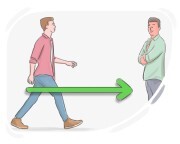
to go close or closer to something or someone
zbliżać się, podchodzić
to withdraw or move back from a current position, often in response to a threat or change in conditions
wycofać się, cofnąć się
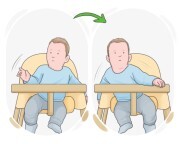
to move in an uncomfortable or restless manner with twisting or contorted motions
wierzgać, wiercić się
Czując łaskotanie pióra, nie mogła powstrzymać się od wierzgania ze śmiechu.
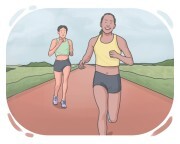
to run at a steady, slow pace, especially for exercise
biegać truchtem, uprawiać jogging
Oni biegają wzdłuż plaży o zachodzie słońca.
to walk with short, clumsy steps and a swaying motion from side to side, typically as a result of being overweight or having short legs
chodzić kołysząc się, dreptać
Kaczątka dreptały za swoją matką, gdy prowadziła je do stawu na pierwszą kąpiel.
to go from one place to another with no specific destination or purpose in mind
wędrować, błąkać się
W rozległym parku narodowym możesz wędrować godzinami, nie spotykając innej duszy.
to move faster in comparison to other things or people
wyprzedzać, przewyższać
Popyt na nowy produkt przewyższył podaż firmy.
to climb and reach the summit or the peak of a height
wspinać się, zdobywać
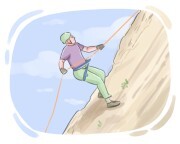
to descend a steep cliff or rock face by sliding down a rope, typically using specialized equipment
zjeżdżać na linie
Zespół ratowniczy musiał zjazd na linie do kanionu, aby dotrzeć do uwięzionych turystów.
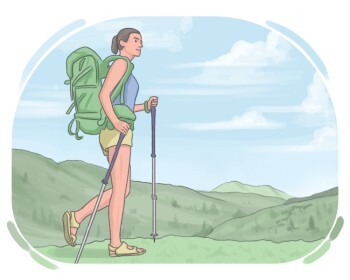
to journey on foot, often covering great distances with a sense of purpose or exploration
wędrować, trampować
Zdeterminowani, by odkrywać odległą wieś, przemierzyli pola i schody, wchłaniając pastoralny krajobraz.
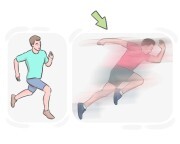
to move quickly and with short, hasty steps
spieszyć się, biec drobnymi kroczkami
Starając się złapać ostatni pociąg, dojeżdżający do pracy pospiesznie przemieszczali się po zatłoczonym peronie.
to run very fast for a short distance, typically as a form of exercise
sprintować, biec pełną prędkością
Piłkarz przyspieszył w dół boiska, zręcznie dryblując piłkę obrońców.
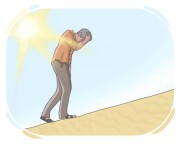
to walk slowly and with heavy steps, especially due to exhaustion, difficulty, or adverse conditions
wlec się, iść z trudem
W gęstym błocie żołnierze musieli ciężko maszerować przez pole bitwy, utrudniając postęp.
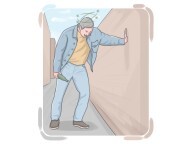
to move unsteadily or with difficulty
zataczać się, iść niepewnym krokiem
W nierównym terenie turysta zaczął zataczać się pod ciężarem swojego ciężkiego ładunku.
to move heavily or clumsily, often with loud, heavy footsteps
ciężko stąpać, poruszać się niezdarnie
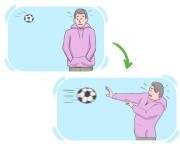
to make a quick and involuntary movement in response to a surprise, pain, or fear
wzdrygnąć się, cofnąć się
Podczas zabawy dziecko wzdrygało się za każdym razem, gdy piłka się zbliżała.
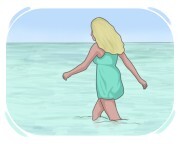
to walk in shallow water
brnąć, przechodzić przez płytką wodę
Turyści często brną przez krystalicznie czyste strumienie w parku narodowym.
moving from place to place without a fixed route or purpose
błąkający się, wędrowny
Wiersz opisuje błąkającego się podróżnika poszukującego spokoju.
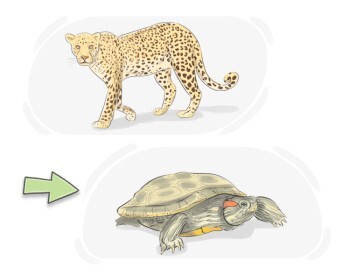
moving, reacting, or functioning more slowly than usual
powolny, ospały
Kot był ospały, ledwo podnosząc głowę.
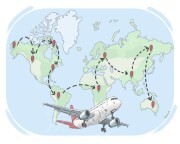
to travel all the way around something, especially the globe, by sea, air, or land
opłynąć dookoła, przepłynąć wokół
Statek z powodzeniem opłynął zdradliwe wody.
