
Humanidades ACT - Daño y Peligro
Aprende el vocabulario de humanidades del ACT sobre daño y peligro, incluyendo daño, destrucción, amenazas, riesgo, vulnerabilidad, protección y situaciones o consecuencias peligrosas.
Revisión
Tarjetas de memoria
formas
Ortografía
Cuestionario

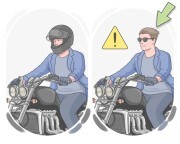
to put something or someone in danger

poner en peligro
Saltarse las comprobaciones de seguridad podría poner en peligro la integridad de todo el proyecto.
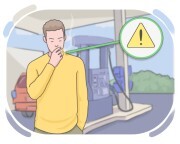
to endanger a person or thing
poner en peligro
La falta de medidas de seguridad podría poner en peligro la vida de los trabajadores en el sitio de construcción.

to say that one is willing to damage something or hurt someone if one's demands are not met
amenazar
to expose someone or something to danger, harm, or failure
comprometer, poner en peligro
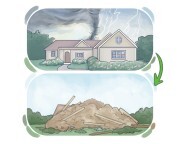
to cause or impose something unpleasant, harmful, or unwelcome upon someone or something
infligir, causar
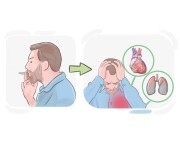
to cause pain, suffering, or distress, often as a result of illness, injury, or hardship
afligir
Si no se controla, el cambio climático afligirá a las generaciones futuras con consecuencias catastróficas.
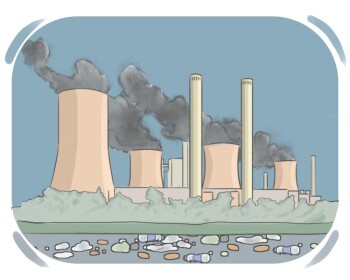
to make a place, substance, etc. dirty or harmful by adding dangerous material
contaminar
La comida puede contaminarse si no se almacena correctamente o si se manipula en condiciones insalubres.
to create problems for someone, resulting in hardship
molestar

to cause severe damage or destruction
dañar gravemente, destruir
El accidente empañó su récord perfecto de no faltar nunca un día al trabajo.
to make someone or something weaker or less effective
debilitar
La desnutrición puede debilitar el crecimiento y desarrollo de un niño, lo que lleva a problemas de salud a largo plazo.
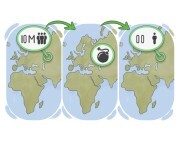
to kill large groups of people
diezmar
La hambruna tenía el potencial de diezmar a las comunidades ya vulnerables.
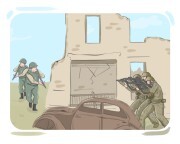
to wait in a concealed location and launch a surprise attack on a target
tender una emboscada
Los cazadores tendieron una emboscada silenciosamente a la presa, esperando pacientemente el momento perfecto para atacar.
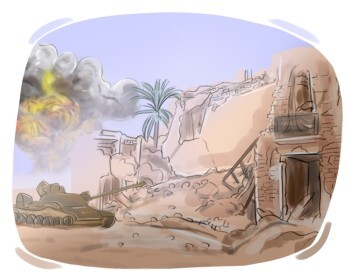
to cause severe destruction or damage
arrasar
El incendio forestal continuó arrasando el bosque, consumiendo todo a su paso.
to degrade or tarnish something pure and perfect, especially the reputation of someone
mancillar
to make people believe someone or something is not trustworthy or reliable
desacreditar, desprestigiar
La campaña fue diseñada para desacreditar el carácter y las políticas del oponente.
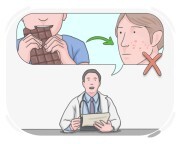
to reveal the exaggeration or falseness of a belief, claim, idea, etc.
ridiculizar
El experto utilizó datos e investigaciones para desmentir la información falsa que circula en las redes sociales sobre la efectividad de un suplemento de salud en particular.
the harmful effects or potential for harm caused by a substance to living organisms or the environment
toxicidad
Los activistas ambientales expresaron su preocupación por la toxicidad de la contaminación del aire proveniente de las plantas industriales cercanas.
something that causes continual trouble, misery, or destruction
ruina
El cableado defectuoso se convirtió en la plaga del proyecto de renovación.

appearing threatening or dangerous
amenazante, peligroso
La mirada amenazante del extraño en el metro la hizo sentir incómoda.
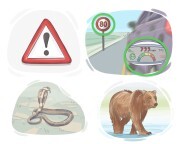
presenting danger or threat, particularly to people's health or safety
peligroso
Las condiciones viales peligrosas hicieron que conducir fuera traicionero durante la tormenta de nieve.
not useful for friendly relations or mutual cooperation
adverso
La rivalidad inimistosa entre los dos equipos de fútbol escaló hasta convertirse en altercados físicos tanto dentro como fuera del campo.
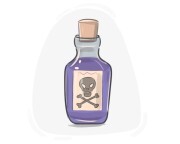
consisting of toxic substances that can cause harm or death
venenoso
Aprendimos a identificar bayas venenosas durante nuestro viaje de campamento para evitar cualquier accidente.
having the ability to cause damage or destruction, especially through chemical reactions
corrosivo
El ácido corrosivo desgastó la superficie del metal.
causing harm
nocivo
Su actitud nociva envenenó la moral del equipo.
providing an environment where life or growth is difficult or impossible
inhospitalario
Las condiciones inhóspitas en el área han llevado a muy pocos habitantes.
easily affected by external factors
susceptible
Se recomienda a los pacientes que reciben quimioterapia que eviten las vacunas con virus vivos, ya que su sistema inmunológico es más susceptible a infecciones activas durante el tratamiento.
not affected, and immune to harm, change, disrespect, or destruction
inmaculado
El sitio sagrado fue tratado como inviolable por los residentes locales, manteniendo su estado original.
not likely to cause injury, offense, or strong reaction
inocuo
Ella hizo un chiste inocuo que aligeró el ambiente.

giving the impression that something bad or unpleasant is going to happen
ominoso
Su advertencia ominosa sobre el futuro de la empresa dejó a los empleados sintiéndose incómodos.
causing severe damage, destruction, or emotional distress
devastador, arrasador
Las consecuencias devastadoras del cambio climático son cada vez más evidentes en todo el mundo.
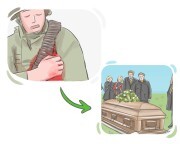
capable of causing death
mortal, letal
El asesino usó una dosis letal de veneno para eliminar a su objetivo discretamente.
posing a hidden or sudden threat
peligroso
Cruzó un río traicionero con la ayuda de un guía.
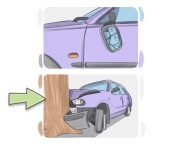
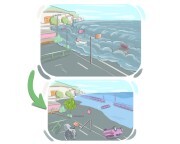
causing a great deal of harm, suffering, or damage
catastrófico, desastroso
El fallo catastrófico de la presa provocó inundaciones masivas aguas abajo.
