
Humanités ACT - Dommages et Danger
Apprenez le vocabulaire des sciences humaines de l'ACT pour les dommages et le danger, y compris le mal, la destruction, les menaces, le risque, la vulnérabilité, la protection et les situations ou conséquences dangereuses.
Réviser
Flashcards
formes
Orthographe
Quiz

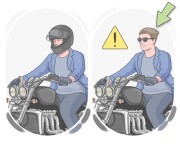
to put something or someone in danger

mettre en péril
Ne pas prendre les mesures de sécurité appropriées peut compromettre la sécurité de l'ensemble du bâtiment.
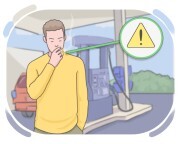
to endanger a person or thing
mettre en péril
La décision du randonneur de quitter le sentier balisé pourrait mettre en péril à la fois lui-même et les équipes de secours.

to say that one is willing to damage something or hurt someone if one's demands are not met
menacer
to expose someone or something to danger, harm, or failure
mettre en péril
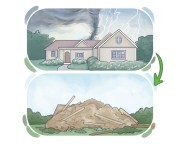
to cause or impose something unpleasant, harmful, or unwelcome upon someone or something
infliger, causer
Le tyran cherchait à infliger de la douleur émotionnelle à ses camarades de classe par des moqueries et des insultes.
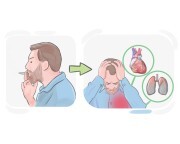
to cause pain, suffering, or distress, often as a result of illness, injury, or hardship
affecter, accabler
La région a été affligée par une grave sécheresse l'année dernière.
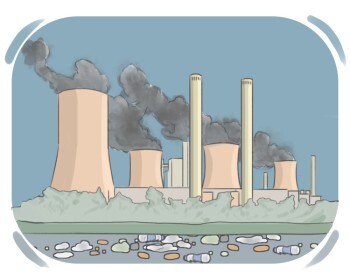
to make a place, substance, etc. dirty or harmful by adding dangerous material
contaminer
Les pratiques de gestion des déchets négligentes peuvent contaminer les eaux souterraines avec des substances dangereuses.
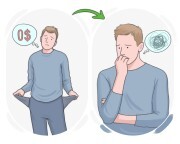
to create problems for someone, resulting in hardship
déranger

to cause severe damage or destruction
endommager gravement, détruire
Sa réputation a été endommagée par de fausses accusations.
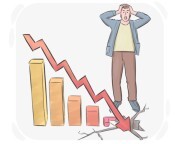
to make someone or something weaker or less effective
affaiblir
Des années de négligence ont débilité les infrastructures de la ville.
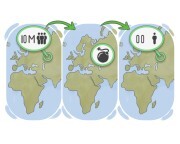
to kill large groups of people
décimer
L'armée envahissante visait à décimer les forces opposées pendant la bataille.
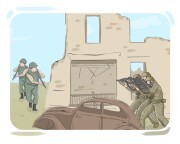
to wait in a concealed location and launch a surprise attack on a target
tendre une embuscade à, tendre un guet-apens à
Les forces spéciales ont été chargées de tendre une embuscade au groupe insurgé lors de leur patrouille nocturne.
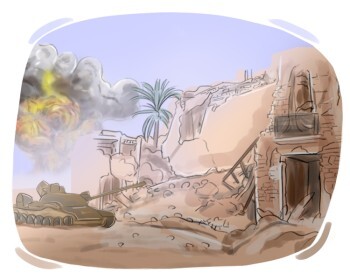
to cause severe destruction or damage
ravager, dévaster
La guerre peut ravager des communautés entières, affectant à la fois les infrastructures et les vies.
to degrade or tarnish something pure and perfect, especially the reputation of someone
entacher
to make people believe someone or something is not trustworthy or reliable
discréditer, déconsidérer
L'avocat a tenté de discréditer le témoin lors du contre-interrogatoire.
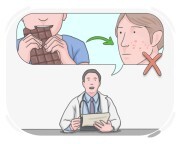
to reveal the exaggeration or falseness of a belief, claim, idea, etc.
ridiculiser, tourner en ridicule
Le professeur a pris le temps de démystifier les idées fausses courantes sur un concept scientifique complexe, en s'assurant que les élèves disposaient d'informations précises.
the harmful effects or potential for harm caused by a substance to living organisms or the environment
toxicité
Les chercheurs ont mené des tests pour évaluer la toxicité du nouveau pesticide sur les abeilles.
something that causes continual trouble, misery, or destruction
fléau
Les moustiques sont le fléau des soirées d'été.

appearing threatening or dangerous
menaçant, inquiétant
La silhouette menaçante qui se cachait dans l'allée la remplissait d'effroi.
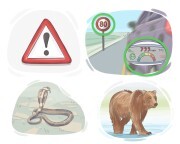
presenting danger or threat, particularly to people's health or safety
dangereux, dangereuse, hasardeux, hasardeuse
S'aventurer dans le terrain dangereux sans équipement approprié n'est pas recommandé.
not useful for friendly relations or mutual cooperation
hostile, ennemi, adverse
La dispute animée entre les voisins a abouti à une relation inimicale, avec des tensions élevées et une communication qui s'effondre.
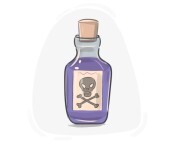
consisting of toxic substances that can cause harm or death
venimeux
La piqûre d'un scorpion peut être toxique, alors consultez un médecin si vous avez la malchance d'en recevoir une.
having the ability to cause damage or destruction, especially through chemical reactions
corrosif
L'acide fort était très corrosif et a rapidement rongé la surface métallique.
causing harm
toxique, nocif
C'était un commentaire nocif — cruel et inutile.
providing an environment where life or growth is difficult or impossible
inhospitalier
Ils ont trouvé la région inhospitalière, avec peu de ressources et un climat extrême.
easily affected by external factors
sensible
Les systèmes informatiques plus anciens ont tendance à être plus sensibles aux virus et logiciels malveillants que les plus récents dotés de logiciels de sécurité mis à jour.
not affected, and immune to harm, change, disrespect, or destruction
inviolé, inviolée
Malgré de nombreuses tentatives pour le saper, le principe est resté inviolé.
not likely to cause injury, offense, or strong reaction
inoffensif, inoffensive
Le serpent semblait menaçant mais était en réalité inoffensif.
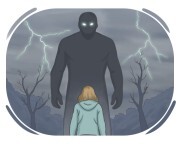
giving the impression that something bad or unpleasant is going to happen
de mauvais augure
Le silence étrange dans la maison abandonnée semblait sinistre, comme si quelque chose de malveillant attendait à l'intérieur.
causing severe damage, destruction, or emotional distress
dévastateur, ravageur
Regarder l'impact dévastateur de l'ouragan sur les communautés côtières était déchirant.
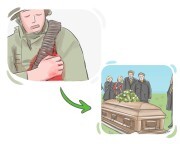
capable of causing death
létal, léthal
La réaction allergique grave de Tim aux arachides pourrait être mortelle si elle n'est pas traitée rapidement avec une injection d'épinéphrine.
posing a hidden or sudden threat
traître, peu fiable
La glace a rendu les routes traîtresses pendant la tempête.
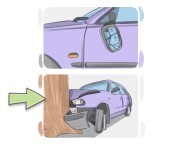
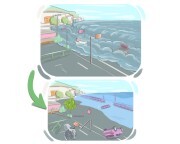
causing a great deal of harm, suffering, or damage
catastrophique, désastreux
Ne pas s'attaquer au changement climatique pourrait avoir des conséquences catastrophiques pour les générations futures.
