pattern

Vocabulario de Científicos Clave - Albert Einstein

Revisión

Tarjetas de memoria

formas

Ortografía

Cuestionario

Empezar a aprender
Key Scientists Vocabulary
Germany
Germany
[Sustantivo]

a country located in central Europe, known for its rich history, vibrant culture, and thriving economy

Alemania
Alemania

Ex: The Brandenburg Gate in Berlin is an iconic symbol of Germany's history and reunification. 
smart
smart
[Adjetivo]

intelligent and able to understand, learn, or solve problems quickly

inteligente, quick to learn and understand

inteligente, quick to learn and understand

Ex: That was a smart decision because it saved both time and money. 
to change
to change
[Verbo]

to make a person or thing different

cambiar
cambiar

Ex: The accident changed everything for him. 
universe
universe
[Sustantivo]

all existing matter, energy, space, stars, planets, galaxies, and everything else that physically exists

universo

universo

Ex: Emma watched a documentary about the origins of the universe. 
to explore
to explore
[Verbo]

to investigate something to gain knowledge or understanding about it

explorar, investigar

explorar, investigar

Ex: The team often explores innovative technologies to improve efficiency. 
to understand

to comprehend the significance of or the logic or reason behind something

entender, comprender

entender, comprender

Ex: Scientists are still trying to understand the mysteries of the universe. 
to work
to work
[Verbo]

to have a specific impact

funcionar

funcionar

Ex: The new schedule works well for everyone on the team. 
college
college
[Sustantivo]

a university in which students can study up to a bachelor's degree after graduation from school

universidad

universidad

Ex: The college offers a wide range of courses, from business administration to computer science. 
Switzerland
Switzerland
[Sustantivo]

a country in Western Central Europe, south of Germany

Suiza
Suiza

Ex: The Rhine Falls in Switzerland is the largest waterfall in Europe. 
physics
physics
[Sustantivo]

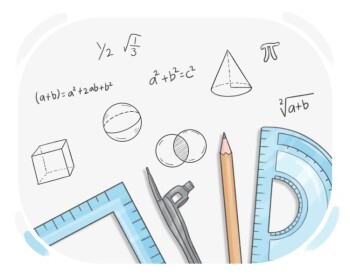
the science that studies matter, energy, motion, forces, and their interactions

física
física

Ex: Daniel finds physics more interesting than chemistry. 
mathematics
mathematics
[Sustantivo]

the study of numbers and shapes that involves calculation and description

matemáticas

matemáticas

Ex: She scored well on her math test and received praise from her teacher. 

Ella obtuvo una buena puntuación en su examen de matemáticas y recibió elogios de su profesor.

invention
invention
[Sustantivo]

something new, especially a device, method, or process, that has been created or developed

invención

invención

Ex: The new invention helps farmers use less water. 
to give
to give
[Verbo]

to provide something for someone

dar

dar

Ex: The government plans to give financial aid to small businesses. 
article
article
[Sustantivo]

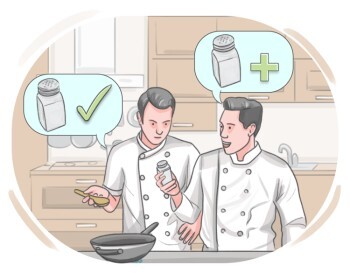
a piece of writing about a particular subject on a website, in a newspaper, magazine, or other publication

artículo
artículo

Ex: In the fashion magazine, there was an article about the latest trends. 
important
important
[Adjetivo]

having a lot of value

importante

importante

Ex: Freedom of speech is an important right in democratic societies. 

La libertad de expresión es un derecho importante en las sociedades democráticas.
writing
writing
[Sustantivo]

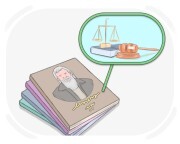
(plural) written works particularly those belonging to an author or covering a specific topic

escrito, obra
escrito, obra

Ex: Her early writings focused mainly on family life. 
light
light
[Sustantivo]

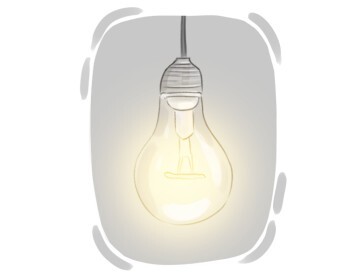
a type of electromagnetic radiation that makes it possible to see, produced by the sun or another source of illumination

luz
luz

Ex: Photographers often adjust the light to achieve the perfect shot. 
atom
atom
[Sustantivo]

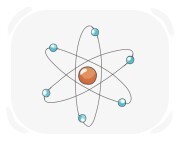
the smallest unit of a chemical element that retains the properties of that element

átomo
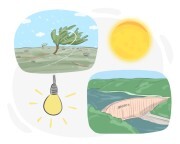
átomo

Ex: The scientists studied how the atoms bonded together. 
energy
energy
[Sustantivo]

(physics) a source of power that is required to do any work that may exist in potential, kinetic, thermal and other forms

energía

energía

Ex: Kinetic energy is highest when an object is at its maximum speed. 
famous
famous
[Adjetivo]

known by a lot of people

famoso, célebre

famoso, célebre

Ex: Tourists flock to the city to visit famous landmarks such as the Eiffel Tower. 

Los turistas acuden en masa a la ciudad para visitar monumentos famosos como la Torre Eiffel.

theory
theory
[Sustantivo]

a set of ideas intended to explain the reason behind the existence or occurrence of something

teoría
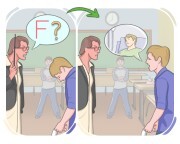
teoría

Ex: The theory of evolution provides a framework for understanding biological diversity. 
to explain
to explain
[Verbo]

to provide reasons to make an action or situation seem acceptable

justificar

justificar

Ex: The student explained the circumstances that led to missing the deadline, offering reasons for the late submission of the assignment. 
to win
to win
[Verbo]

to be awarded something such as a prize after winning a contest, bet, etc.

ganar, conseguir

ganar, conseguir

Ex: Did your team win any awards at the event? 
nobel prize
nobel prize
[Sustantivo]

an annual award for outstanding contributions to chemistry or physics or physiology and medicine or literature or economics or peace

premio Nobel, galardón Nobel
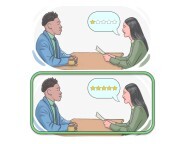
premio Nobel, galardón Nobel

excellent
excellent
[Adjetivo]

very good in quality or other traits

excelente, exquisito

excelente, exquisito

Ex: The festival was excellent, with great music and food. 

El festival fue excelente, con gran música y comida.

science
science
[Sustantivo]

the study of science

ciencia

ciencia

Ex: The school encourages students to pursue the study of science. 
to move
to move
[Verbo]

to change one's place of residence or work

mudarse, trasladarse

mudarse, trasladarse

Ex: We'll be moving to a different office building next month. 
the United States
the United States
[Sustantivo]

a country in North America that has 50 states

Estados Unidos
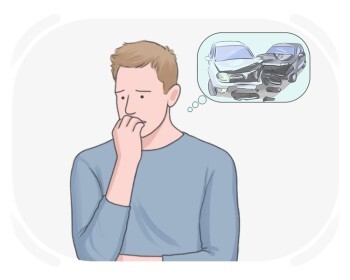
Estados Unidos

Ex: The history of the United States includes significant events like the Civil War. 
to worry
to worry
[Verbo]

to feel upset and nervous because we think about bad things that might happen to us or our problems

preocuparse
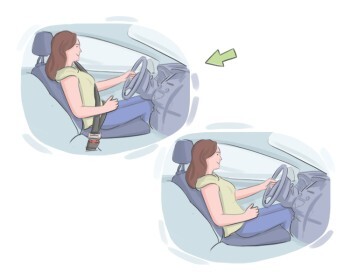
preocuparse

Ex: He couldn't help but worry about the uncertain future. 
safety
safety
[Sustantivo]

the condition of being protected and not affected by any potential risk or threat

seguridad

seguridad

Ex: The park installed new lighting and surveillance cameras to improve safety for visitors. 

El parque instaló nueva iluminación y cámaras de vigilancia para mejorar la seguridad de los visitantes.

Jewish
Jewish
[Adjetivo]

related to the religion, culture, or people of Judaism

judío

judío

Ex: The Torah is a sacred text in the Jewish religion. 

La Torá es un texto sagrado en la religión judía.

government
government
[Sustantivo]

the group of politicians in control of a country or state

gobierno

gobierno

Ex: The government is responsible for ensuring that laws are followed and citizens' rights are protected. 
citizen
citizen
[Sustantivo]

someone whose right of belonging to a particular state is legally recognized either because they are born there or are naturalized

ciudadano
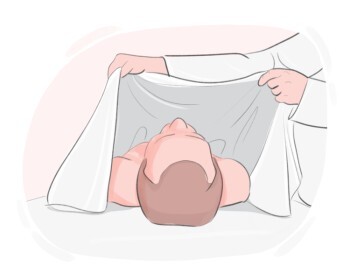
ciudadano

Ex: The government introduced new policies to protect the rights of its citizens. 
to die
to die
[Verbo]

to no longer be alive

morir

morir

Ex: Despite the efforts of the medical team, the patient succumbed to their illness and died peacefully. 
New Jersey
New Jersey
[Sustantivo]

a Mid-Atlantic state on the Atlantic; one of the original 13 colonies

Nueva Jersey, el Nueva Jersey
Nueva Jersey, el Nueva Jersey

to inspire
to inspire
[Verbo]

to make someone want or feel motivated to do something, especially something positive or creative

inspirar
inspirar

Ex: His recovery inspired me to keep trying. 
sock
sock
[Sustantivo]

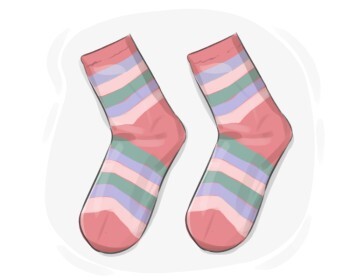
a soft item of clothing we wear on our feet

calcetín

calcetín

Ex: She found a sock under the bed that had been missing for weeks. 
useless
useless
[Adjetivo]

lacking purpose or function, and unable to help in any way

inútil

inútil

Ex: The expired medication was useless and had to be disposed of properly. 

El medicamento caducado era inútil y tuvo que ser desechado adecuadamente.

to joke
to joke
[Verbo]

to say something funny or behave in a way that makes people laugh

bromear

bromear

Ex: The students joked with their teacher during class. 
LanGeek
Descargar la aplicación LanGeek