pattern

Lista de Palabras Nivel B2 - Lenguaje Corporal

Aquí aprenderás algunas palabras en inglés sobre el lenguaje corporal, como "beat", "clap", "drag", etc. preparadas para estudiantes de B2.

Revisión

Tarjetas de memoria

formas

Ortografía

Cuestionario
Empezar a aprender
CEFR B2 Vocabulary
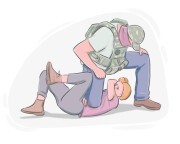
to beat
to beat
[Verbo]

to strike someone repeatedly, usually causing physical harm or injury

golpear, pegar
golpear, pegar

Ex: In the movie, the hero beats the villain in a dramatic fight scene. 

En la película, el héroe golpea al villano en una escena de pelea dramática.

to clap
to clap
[Verbo]

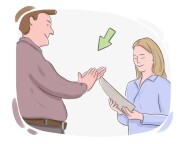
to strike the palms of one's hands together forcefully, usually to show appreciation or to attract attention

aplaudir

aplaudir

Ex: The students clapped in rhythm to the music during the school assembly. 

Los estudiantes aplaudieron al ritmo de la música durante la asamblea escolar.
to drag
to drag
[Verbo]

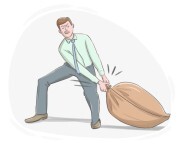
to pull something with effort along a surface

arrastrar

arrastrar

Ex: He drags the garbage bin to the curb for pickup. 

Él arrastra el cubo de basura hasta la acera para su recogida.

to grab
to grab
[Verbo]

to take someone or something suddenly or violently

agarrar, coger

agarrar, coger

Ex: The teacher grabbed the misbehaving student by the collar and escorted him out of the classroom. 

El profesor agarró al estudiante que se portaba mal por el cuello y lo escoltó fuera del aula.

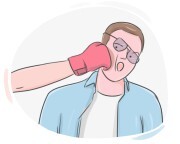
to punch
to punch
[Verbo]

to beat someone or something with a closed fist quickly and forcefully

darle un puñetazo a

darle un puñetazo a

Ex: Frustrated with the situation, she threatened to punch anyone who crossed her path. 

Frustrada con la situación, amenazó con golpear a cualquiera que se cruzara en su camino.

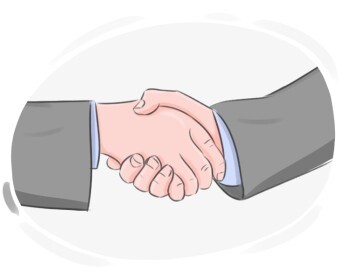
to shake
to shake
[Verbo]

to take someone's hand and move it up and down, mainly for greeting

darse un apretón de manos, dar la mano
darse un apretón de manos, dar la mano

Ex: As a sign of mutual respect, the leaders shook hands in front of the gathered diplomats. 

Como señal de respeto mutuo, los líderes se dieron la mano frente a los diplomáticos reunidos.

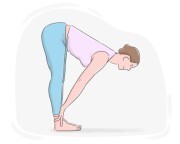
to bend
to bend
[Verbo]

to move the upper part of the body downward

inclinarse, agacharse
inclinarse, agacharse

Ex: She bent down to pick up the fallen book from the floor. 

Ella se inclinó para recoger el libro caído del suelo.

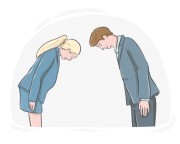
to bow
to bow
[Verbo]

to bend the head or move the upper half of the body forward to show respect or as a way of greeting

inclinarse, hacer una reverencia

inclinarse, hacer una reverencia

Ex: In many cultures, it is customary to bow when greeting elders as a gesture of politeness. 

En muchas culturas, es costumbre inclinarse al saludar a los mayores como un gesto de cortesía.

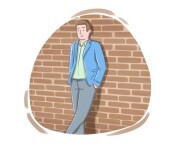
to lean
to lean
[Verbo]

to bend from a straight position typically to rest the body against something for support

apoyarse en
apoyarse en

Ex: The cat stretched and leaned against the window, basking in the warmth of the sunlight. 

El gato se estiró y se inclinó contra la ventana, disfrutando del calor de la luz del sol.

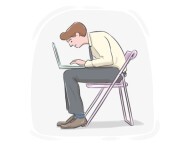
to slouch
to slouch
[Verbo]

to adopt a drooping, slumped, or lazy posture

andar encorvado, repantigarse

andar encorvado, repantigarse

Ex: He slouched over the desk, exhausted from writing. 

Él se encorvó sobre el escritorio, agotado de escribir.
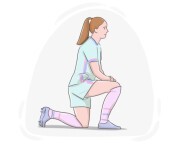
to kneel
to kneel
[Verbo]

to support the weight of the body on a knee or both knees

arrodillarse, ponerse de rodillas

arrodillarse, ponerse de rodillas

Ex: The athlete chose to kneel during the national anthem as a peaceful protest against social injustice. 

El atleta eligió arrodillarse durante el himno nacional como una protesta pacífica contra la injusticia social.
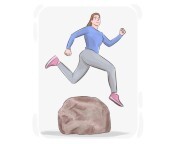
to leap
to leap
[Verbo]

to jump very high or over a long distance

saltar, brincar

saltar, brincar

Ex: The mountain goat effortlessly leaped between rocky ledges as it navigated the steep mountain terrain. 

La cabra montés saltó sin esfuerzo entre los salientes rocosos mientras navegaba por el terreno montañoso empinado.

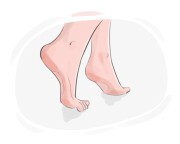
to tiptoe
to tiptoe
[Verbo]

to walk slowly and carefully on one's toes

caminar de puntillas

caminar de puntillas

Ex: In the library, patrons are reminded to tiptoe to maintain a quiet atmosphere. 

En la biblioteca, se recuerda a los usuarios que caminen de puntillas para mantener un ambiente tranquilo.
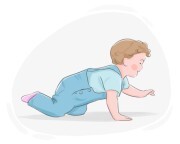
to crawl
to crawl
[Verbo]

to move slowly with the body near the ground or on the hands and knees

arrastrarse
arrastrarse

Ex: In the dense underbrush, the jungle explorer needed to crawl to avoid entangling vines and thick foliage. 

En la espesa maleza, el explorador de la jungla necesitó arrastrarse para evitar enredarse en lianas y espeso follaje.

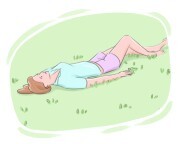
to lie down

to put one's body in a flat position in order to sleep or rest

acostarse, tumbarse

acostarse, tumbarse

Ex: The weary traveler lay down on the bed, eager to escape the hustle and bustle of the city. 

El cansado viajero se acostó en la cama, ansioso por escapar del bullicio de la ciudad.
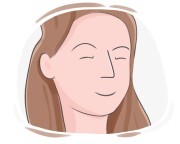
to blink
to blink
[Verbo]

to open and close the eyes quickly and for a brief moment

parpadear, pestañear

parpadear, pestañear

Ex: When the wind blew, she couldn't help but blink to protect her eyes. 

Cuando el viento soplaba, no podía evitar parpadear para proteger sus ojos.

to gaze
to gaze
[Verbo]

to look at someone or something without blinking or moving the eyes

mirar fijamente, mirar
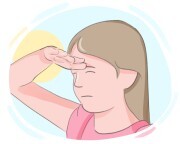
mirar fijamente, mirar

Ex: The professor gazed at the students intently, expecting thoughtful responses to his question. 

El profesor miró fijamente a los estudiantes, esperando respuestas reflexivas a su pregunta.

to squint
to squint
[Verbo]

to look with eyes half-opened when hit by light, or as a sign of suspicion, etc.

mirar de reojo

mirar de reojo

Ex: As he entered the dark room, he squinted to adjust his vision to the low light. 

Mientras entraba en la habitación oscura, entrecerró los ojos para adaptar su visión a la poca luz.
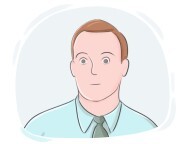
to stare
to stare
[Verbo]

to look at someone or something without moving the eyes or blinking, usually for a while, and often without showing any expression

mirar fijamente, quedarse mirando

mirar fijamente, quedarse mirando

Ex: The student is staring at the math problem, trying to solve it. 

El estudiante mira fijamente el problema de matemáticas, intentando resolverlo.

to wink
to wink
[Verbo]

to quickly open and close one eye as a sign of affection or to indicate something is a secret or a joke

guiñar el ojo

guiñar el ojo

Ex: The teacher winked at the student who had given the correct answer. 

El profesor guiñó el ojo al estudiante que había dado la respuesta correcta.
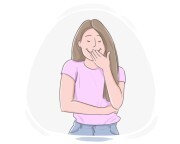
to chuckle
to chuckle
[Verbo]

to laugh quietly and with closed lips

reírse entre dientes, soltar una risita

reírse entre dientes, soltar una risita

Ex: He chuckled softly while reading the humorous passage in the book. 

Él se rió suavemente mientras leía el pasaje humorístico del libro.

to giggle
to giggle
[Verbo]

to laugh in a light, silly, or often uncontrollable way as a result of nervousness or embarrassment

reírse tontamente
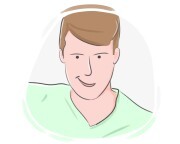
reírse tontamente

Ex: The friends shared a secret joke, causing them to giggle uncontrollably. 

Los amigos compartieron un chiste secreto, lo que les hizo reírse de manera incontrolable.

to smirk
to smirk
[Verbo]

to give a half-smile, often displaying satisfaction, superiority, or amusement

sonreír con suficiencia

sonreír con suficiencia

Ex: The mischievous child smirked after playing a clever prank on his sibling. 

El niño travieso sonrió con superioridad después de hacerle una broma inteligente a su hermano.
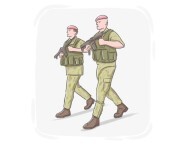
to march
to march
[Verbo]

to walk firmly with regular steps

marchar
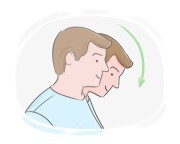
marchar

Ex: The police officers marched down the street, ensuring a visible presence during the community event. 

Los oficiales de policía desfilaron por la calle, asegurando una presencia visible durante el evento comunitario.

to nod
to nod
[Verbo]

to move one's head up and down as a sign of agreement, understanding, or greeting

asentir con la cabeza
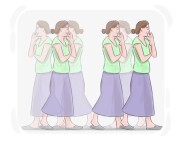
asentir con la cabeza

Ex: The audience nodded in understanding as the speaker explained the concept. 

El público asintió con la cabeza en señal de comprensión mientras el orador explicaba el concepto.

to pace
to pace
[Verbo]

to walk back and forth in a small area at a fixed speed, often due to anxiety or being deep in thought

pasearse
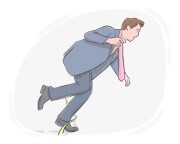
pasearse

Ex: Unable to sit still, he paced back and forth in his office while waiting for the important phone call. 

Incapaz de quedarse quieto, paseaba de un lado a otro en su oficina mientras esperaba la importante llamada telefónica.

to trip
to trip
[Verbo]

to slip or hit something with the foot accidentally that makes one fall or lose balance momentarily

tropezar

tropezar

Ex: Carrying a stack of books, he tripped on the rug and scattered the books across the floor. 

Llevando una pila de libros, tropezó con la alfombra y esparció los libros por el suelo.

to [give] {sb} bunny ears

to make one's fingers V-shaped and put them behind a person's head as a way of joking, particularly when taking a photograph

ponerle orejas de conejo, hacerle cuernos de broma

ponerle orejas de conejo, hacerle cuernos de broma

Ex: She laughed when she saw that someone had given her bunny ears. 

Se rio al ver que alguien le había puesto orejas de conejo.
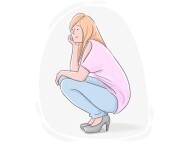
to crouch
to crouch
[Verbo]

to sit on one's calves and move the chest close to one's knees

agacharse, ponerse en cuclillas

agacharse, ponerse en cuclillas

Ex: The baseball player crouched low, ready to field the ball. 

El jugador de béisbol se agachó bajo, listo para atrapar la pelota.
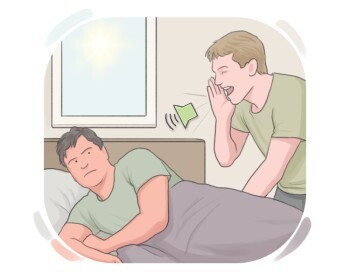
to wake
to wake
[Verbo]

to become conscious again after sleeping

despertarse

despertarse

Ex: Some people naturally wake early, while others are night owls who prefer to stay awake later. 

Algunas personas se despiertan naturalmente temprano, mientras que otras son noctámbulos que prefieren permanecer despiertos hasta más tarde.

LanGeek
Descargar la aplicación LanGeek