
Vocabulaire Avancé pour le GRE - Danger et Sécurité
Ici, vous apprendrez quelques mots anglais sur le danger et la sécurité, tels que "hardy", "plucky", "wary", etc., qui sont nécessaires pour l'examen GRE.
Réviser
Flashcards
formes
Orthographe
Quiz


afraid and cautious of the possible outcomes of an action, thus reluctant to take risks or action

précautionneux
Son attitude méfiante envers les nouvelles relations découlait de déceptions passées.
inflicting damage or harm on someone or something
délétère, nuisible
La pollution a eu un effet délétère sur la population locale de la faune.
overflowing with bravery and determination
vaillant, brave
Le courageux pompier a combattu les flammes avec un courage inébranlable.

possessing bravery and boldness
robuste
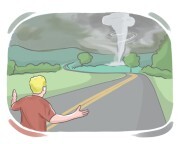
(particularly of something unpleasant) likely to take place in the near future
imminent
Alors que le volcan continuait à montrer des signes d'activité, les résidents craignaient une éruption imminente.
utilized to set fire on a property
incendiaire
La police enquête sur l'utilisation de bombes incendiaires dans la récente attaque.
capable of easily catching fire
inflammable
Les produits chimiques inflammables étaient stockés dans un conteneur de sécurité spécial pour éviter les accidents.
not likely to cause injury, offense, or strong reaction
inoffensif, inoffensive
Le serpent semblait menaçant mais était en réalité inoffensif.
very courageous and not afraid of situations that are dangerous
intrépide
Face à de nombreux dangers, le intrépide pompier a sauvé des vies sans hésitation.
overflowing with courage and determination
brave, ardent, ardente, courageux, courageuse
Il a entrepris la tâche difficile avec une attitude courageuse.
approaching death
moribond
L'infirmière a pris soin de l'homme moribond avec une compassion silencieuse.
unwilling to submit to authority or control
remuant, agité
Un manifestant turbulent a perturbé la réunion avec des chants et des railleries.
possessing or displaying determination and bravery
courageux, courageuse
Le jeune athlète courageux a fait face à une compétition féroce avec un courage inébranlable.
full of danger or uncertainty, likely to cause harm or accidents
dangereux, dangereuse, précaire
Le vieux pont en bois oscillait dans le vent, rendant la traversée précaire.
eager to start a fight or argument
pugnace
Dans chaque discussion, ses commentaires combatifs semblaient conçus pour provoquer un conflit.
the skill to stay calm when in a situation that is difficult or dangerous
sang-froid
Le sang-froid du négociateur a aidé à désamorcer la confrontation tendue.
overflowing with anxiety, unease, or concern
soucieux
Les mises à jour fréquentes du gestionnaire prévenant sur l'état du projet ont montré sa profonde préoccupation.
lacking bravery and confidence
timoré
Malgré son comportement peureux, il a fait un effort pour contribuer au projet.
not capable of being criticized, attacked, or doubted
imprenable
Les données historiques ont fourni une base inattaquable pour leur théorie.
feeling or showing caution and attentiveness regarding possible dangers or problems
prudent, circonspect
Il est resté méfiant à l'égard des escroqueries en ligne après en avoir été victime par le passé.
a sudden or disastrous event that destroys or changes a whole region or system
cataclysme
La Première Guerre mondiale a représenté un cataclysme qui a démoli les systèmes politiques de longue date et redessiné la carte de l'Europe.
an individual who acts as if they possess special qualities, knowledge, or skills
charlatan
Sa réputation de charlatan a grandi lorsqu'il a été découvert qu'il n'avait pas de qualifications formelles.
an extremely intense and destructive fire
incendie
Les pompiers de plusieurs villes ont uni leurs forces pour combattre le conflagration qui menaçait d'engloutir tout le quartier.
an individual who is passionate about a cause, particularly political, and urges others to take action toward said cause, normally leading to trouble
agitateur, agitatrice, fauteur de troubles, perturbateur, perturbatrice
Son rôle en tant que fauteur de troubles dans le mouvement a été crucial pour mobiliser le soutien et provoquer le changement.
a strategic action or remark that is used to gain an advantage, particularly in the early stages of a situation, game, conversation, etc.
gambit
Son gambit intelligent dans la conversation a déplacé l'attention sur ses points clés.
a place that provides safety, peace, and favorable living conditions for humans or animals
abri, refuge, havre
En tant que réfugiés fuyant un conflit, ils ont cherché refuge dans les pays voisins, espérant trouver un havre où ils pourraient reconstruire leur vie en sécurité.
a thing that is used as an inferior and temporary substitute for something that is not available
moyen temporaire, expédient
Leur expédient a fourni un soulagement temporaire en attendant l'arrivée du bon équipement.
a fight that is noisy, confusing, and involves many people
mêlée, bagarre
Pendant la manifestation, une mêlée soudaine a éclaté alors que les tensions montaient.
a feeling or suspicion that something, particularly something unpleasant, is about to take place
pressentiment
Son pressentiment de danger s'est intensifié à mesure qu'ils approchaient du bâtiment désert.
the act of hurting or damaging one's opponent or enemy in retaliation for the hurt or damage they inflicted upon one
représailles
Les rebelles anticipaient une représaille des forces gouvernementales suite à leur soulèvement.
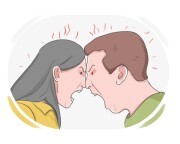
a noisy bitter argument between countries, organizations, people, etc.
dispute
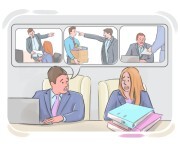
to cause a person to feel scared or unconfident
intimider
La taille imposante de la montagne effraierait même les alpinistes les plus expérimentés.
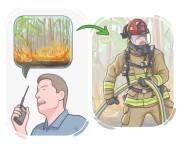
to send someone or something promptly to a particular destination or for a particular purpose
envoyer
to closely follow someone
filer, suivre

to avoid a thing or doing something on purpose
éviter, fuir
Dans son mode de vie minimaliste, Mark a choisi d'éviter les possessions matérielles et de se concentrer sur les expériences.

to deceive a person, often by hiding the truth or using clever tactics to mislead them
berner, embobiner
Soyez prudent avec les publicités en ligne qui pourraient vous tromper en vous incitant à acheter des produits contrefaits.
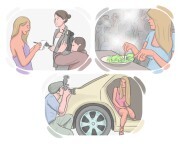
to constantly chase, pressure, or follow someone to gain or achieve something
poursuivre avec acharnement
to burst, fall, or collapse toward the inside violently
imploser
L'expérience a mal tourné, provoquant l'implosion de la chambre sous une pression intense.
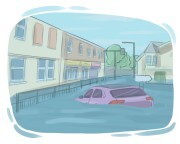
to cover a stretch of land with a lot of water
inonder
La fonte des neiges et de la glace peut inonder les champs en contrebas, les rendant inutilisables pour l'agriculture.

to make someone feel uneasy or anxious, disrupting their usual calm or confidence
troubler, perturber
La critique inattendue l'a déstabilisée pendant la réunion.
to secure a place and make it resistant against attacks, particularly by building walls around it
fortifier, renforcer
Les anciens remparts de la ville ont été construits pour fortifier la colonie contre les armées envahissantes.
| Vocabulaire Avancé pour le GRE | |||
|---|---|---|---|
| Mesure et Taille | Santé | Succès et Échec | Science |
| Danger et Sécurité | L'argent et Les affaires | ||
