
Расширенный словарный запас для GRE - опасность
Здесь вы узнаете некоторые английские слова об опасности и безопасности, такие как "hardy", "plucky", "wary" и т. д., которые необходимы для экзамена GRE.
Обзор
Флэш-карточки
формы
Правописание
Тест


afraid and cautious of the possible outcomes of an action, thus reluctant to take risks or action

осторожный
Его осторожный подход к кредитованию был результатом предыдущего плохого опыта.
inflicting damage or harm on someone or something
вредный
Доказано, что курение сигарет оказывает вредное воздействие на здоровье.
overflowing with bravery and determination
отважный
Известная своим отважным отношением, она подходила к каждому вызову с решимостью.

possessing bravery and boldness
выносливый
Её стойкий дух позволил ей с уверенностью встречать сложные ситуации.
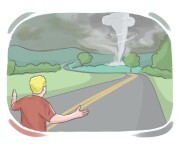
(particularly of something unpleasant) likely to take place in the near future
неминуемый
С нарастанием напряженности между двумя странами война казалась неизбежной.
utilized to set fire on a property
зажигательный
Власти обнаружили зажигательные устройства на месте поджога.
capable of easily catching fire
воспламеняющийся
Горючая древесина представляла опасность и должна была быть удалена со строительной площадки.
not likely to cause injury, offense, or strong reaction
безобидный
Фильм безвреден для детей.
very courageous and not afraid of situations that are dangerous
бесстрашный
Бесстрашный журналист отправился в зоны конфликтов, чтобы сообщить правду.
overflowing with courage and determination
отважный
Отважный лидер вдохновил команду своей храбростью.
approaching death
умирающий
Он был найден при смерти после нескольких дней без еды и воды.
unwilling to submit to authority or control
шумный
Буйная толпа отказалась расходиться, несмотря на неоднократные приказы полиции.
possessing or displaying determination and bravery
смелый, отважный
Её отважный ответ на вызов вдохновил всех вокруг.
full of danger or uncertainty, likely to cause harm or accidents
опасный
Ходьба по обледенелому тротуару была опасной, и многие люди поскользнулись и упали.
eager to start a fight or argument
драчливый
Всегда ищущий драки, его драчливый характер заработал ему репутацию в офисе.
the skill to stay calm when in a situation that is difficult or dangerous
хладнокровие
Его хладнокровие во время чрезвычайной ситуации впечатлило всех в команде.
overflowing with anxiety, unease, or concern
заботливый
Стремясь обеспечить комфорт, персонал действовал с заботливым вниманием к каждому гостю.
lacking bravery and confidence
робкий, боязливый
Её робкий голос выдавал её тревогу по поводу выступления на публике.
not capable of being criticized, attacked, or doubted
неприступный
Адвокат защиты представил неопровержимый случай, не оставляя места для сомнений.
feeling or showing caution and attentiveness regarding possible dangers or problems
осторожный
Она была осторожна с незнакомцами, приближавшимися к ней поздно ночью.
a sudden or disastrous event that destroys or changes a whole region or system
катаклизм
Падение Западной Римской империи ознаменовало политический и экономический катаклизм, от которого Европа не оправилась веками.
an individual who acts as if they possess special qualities, knowledge, or skills
шарлатан
Так называемый целитель был разоблачен как шарлатан, когда его лечение не дало результатов.
an extremely intense and destructive fire
большой пожар
Лес был превращен в пепел в результате массового пожара, который бушевал неконтролируемо в течение нескольких дней.
an individual who is passionate about a cause, particularly political, and urges others to take action toward said cause, normally leading to trouble
зачинщик
Как зачинщик, она сплотила людей вокруг дела страстными речами и смелыми действиями.
a strategic action or remark that is used to gain an advantage, particularly in the early stages of a situation, game, conversation, etc.
гамбит
Его начальный гамбит в переговорах задал тон успешной сделке.
a place that provides safety, peace, and favorable living conditions for humans or animals
убежище
Удаленный остров служил убежищем для исчезающих видов дикой природы, предоставляя убежище видам, находящимся под угрозой исчезновения.
a thing that is used as an inferior and temporary substitute for something that is not available
временное решение
Они использовали временное решение в качестве стола во время похода, импровизируя с доступными материалами.
a fight that is noisy, confusing, and involves many people
рукопашный
Концерт превратился в хаос, когда среди толпы вспыхнула драка.
a feeling or suspicion that something, particularly something unpleasant, is about to take place
предчувствие
У нее было предчувствие, что что-то не так, когда она получила поздний ночной звонок.
the act of hurting or damaging one's opponent or enemy in retaliation for the hurt or damage they inflicted upon one
репрессия
Страна предприняла военную ответную меру после неожиданного вторжения врага.

a noisy bitter argument between countries, organizations, people, etc.
размолвка
СМИ широко освещали продолжающийся спор между знаменитостями.

to cause a person to feel scared or unconfident
пугать
Его первоначальные неудачи не испугали его; он просто рассматривал их как опыт обучения.
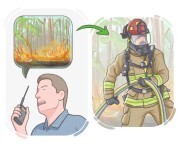
to send a person or thing somewhere for a specific purpose
отправить
Менеджер быстро отправил команду для расследования сообщенной проблемы.

to avoid a thing or doing something on purpose
сторониться
Люди, заботящиеся о своем здоровье, часто избегают сладких напитков в пользу воды или травяного чая.

to deceive a person, often by hiding the truth or using clever tactics to mislead them
обмануть
Мошенник пытался обмануть пожилых людей, чтобы они раскрыли свою личную информацию.
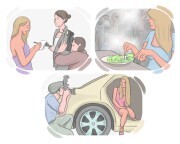
to constantly chase, pressure, or follow someone to gain or achieve something
преследовать, гоняться
to burst, fall, or collapse toward the inside violently
взорваться
Ядро звезды схлопнулось, создав сверхновую, которая осветила галактику.
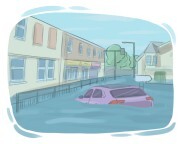
to cover a stretch of land with a lot of water
наводнить
Сильные дожди могут затопить берега реки, вызывая широкомасштабные наводнения в этом районе.

to make someone feel uneasy or anxious, disrupting their usual calm or confidence
нервировать
Постоянная критика выводит её из равновесия и влияет на её работу.
to secure a place and make it resistant against attacks, particularly by building walls around it
укреплять
Древние городские стены были построены, чтобы укрепить поселение от вторгающихся армий.
| Расширенный словарный запас для GRE | |||
|---|---|---|---|
| Измерение | Крепкого здоровья | Успех | наука |
| опасность | деньги | ||
